THE ADVENTURE COLLECTIVE® · Independent discovery and booking for outdoor travel

Explore Gothenburg by bike on a two-hour guided loop that mixes waterfront history, leafy parks and neighborhood charm. Ideal for first-time visitors who want an efficient, local-led introduction to the city.
Explore Gothenburg by bike on a two-hour guided loop that mixes waterfront history, leafy parks and neighborhood charm. Ideal for first-time visitors who want an efficient, local-led introduction to the city.
Pedaling along Gothenburg's canals, the city opens up in quick, confident snapshots: red-brick wharves, low wooden façades of Haga, and the green sweep of Slottsskogen daring you to slow down. The guide steers the rhythm—an easy cadence on a 7-gear city bike, punctuated by short stops that let the place speak: market life, maritime bones, and neighborhood characters.
Verified experiences and guided adventures in the surrounding area.
Operated by Bike Tour Gothenburg · Gothenburg, Västra Götaland County
Pedaling along Gothenburg's canals, the city opens up in quick, confident snapshots: red-brick wharves, low wooden façades of Haga, and the green sweep of Slottsskogen daring you to slow down. The guide steers the rhythm—an easy cadence on a 7-gear city bike, punctuated by short stops that let the place speak: market life, maritime bones, and neighborhood characters.
Gothenburg was founded in 1621 as Sweden’s principal west-coast port, its layout shaped by trade, shipbuilding and canals that still channel the city’s pulse. The 1923 jubilee exhibition left parks and exhibition architecture that riders pass, while districts like Haga and Linnéstaden show a lived-in urban history—landshövdingehus, cafés, and independent shops that grew from working-class roots into creative hubs.
The geology underfoot is glacially smoothed Bohuslän bedrock meeting man-made quays; cyclists move between granite edges and reclaimed waterfront. Culture here favors low-speed discovery—street art, record stores, pop-up markets—and a guide can point out small-business corners most maps miss.
Practical edge: the loop is urban and flat, geared for sightseeing rather than speed. Helmets are provided; expect two hours with multiple short stops. Bring a waterproof layer for sudden Baltic squalls, a small bottle of water, and comfortable shoes for short walks on cobbles. Morning rides are quieter on bike lanes; late afternoons show the neighborhoods coming alive. For solo travelers, operators often combine bookings to create small, social groups. This tour is a compact way to see Gothenburg’s maritime core and neighborhood life without needing a car.
Yes—helmets are provided and encouraged; participants may bring their own if they prefer.
Yes—operators commonly combine solo travelers into shared groups; contact them in advance to confirm space.
Specialized infant seats are available, but check age and weight restrictions with the operator before booking.
The tour operates in light rain; severe weather or insufficient travelers can lead to cancellations with advance notice and refund policies apply.
Bike Tour Gothenburg operates guided outdoor trips and adventures with an emphasis on safety, stewardship, and memorable experiences.
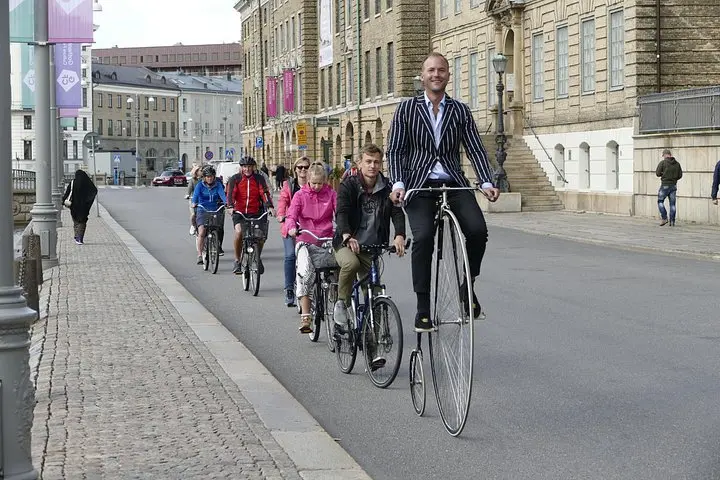
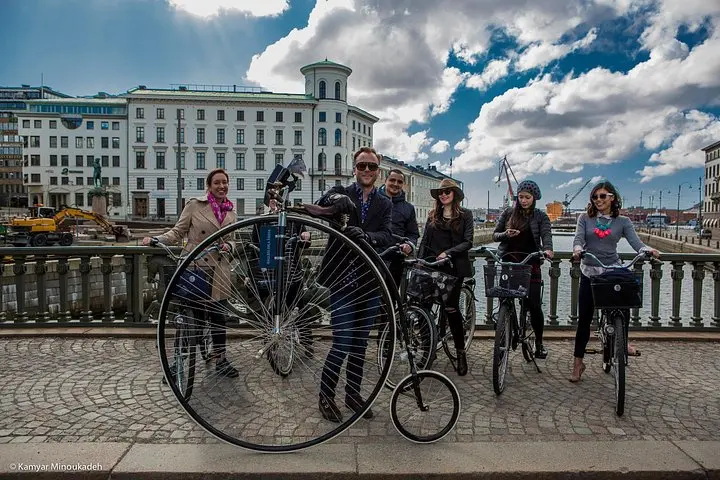
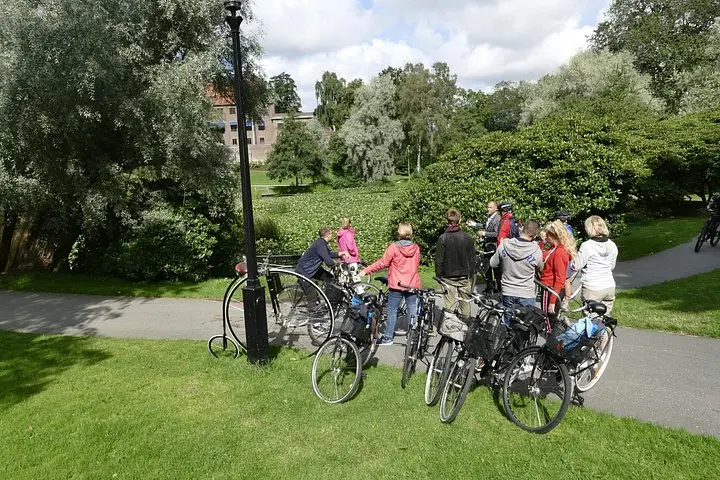
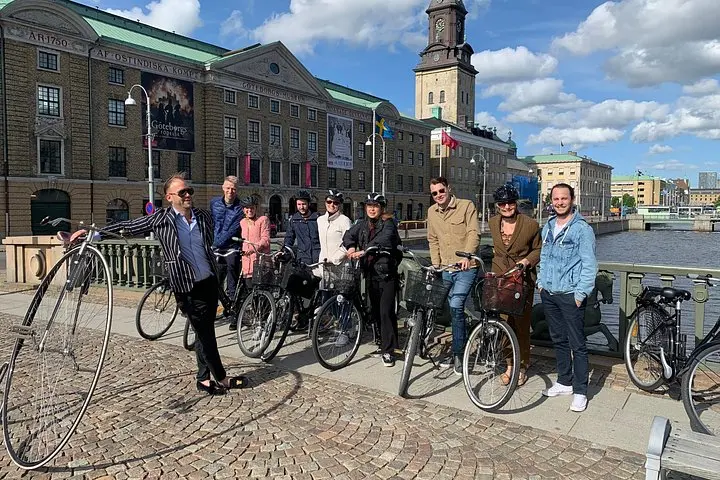
Pedaling along Gothenburg's canals, the city opens up in quick, confident snapshots: red-brick wharves, low wooden façades of Haga, and the green sweep of Slottsskogen daring you to slow down. The guide steers the rhythm—an easy cadence on a 7-gear city bike, punctuated by short stops that let the place speak: market life, maritime bones, and neighborhood characters.
Pedaling along Gothenburg's canals, the city opens up in quick, confident snapshots: red-brick wharves, low wooden façades of Haga, and the green sweep of Slottsskogen daring you to slow down. The guide steers the rhythm—an easy cadence on a 7-gear city bike, punctuated by short stops that let the place speak: market life, maritime bones, and neighborhood characters.
Gothenburg was founded in 1621 as Sweden’s principal west-coast port, its layout shaped by trade, shipbuilding and canals that still channel the city’s pulse. The 1923 jubilee exhibition left parks and exhibition architecture that riders pass, while districts like Haga and Linnéstaden show a lived-in urban history—landshövdingehus, cafés, and independent shops that grew from working-class roots into creative hubs.
The geology underfoot is glacially smoothed Bohuslän bedrock meeting man-made quays; cyclists move between granite edges and reclaimed waterfront. Culture here favors low-speed discovery—street art, record stores, pop-up markets—and a guide can point out small-business corners most maps miss.
Practical edge: the loop is urban and flat, geared for sightseeing rather than speed. Helmets are provided; expect two hours with multiple short stops. Bring a waterproof layer for sudden Baltic squalls, a small bottle of water, and comfortable shoes for short walks on cobbles. Morning rides are quieter on bike lanes; late afternoons show the neighborhoods coming alive. For solo travelers, operators often combine bookings to create small, social groups. This tour is a compact way to see Gothenburg’s maritime core and neighborhood life without needing a car.