THE ADVENTURE COLLECTIVE® · Independent discovery and booking for outdoor travel

Explore Bonaire’s southern shore on a focused two-hour tour that visits pink salt ponds, 19th-century slave huts, a southern lighthouse, and world-class windsurfing bays. Ideal for travelers who want a concentrated look at the island’s geology, history, and coastal life.
Explore Bonaire’s southern shore on a focused two-hour tour that visits pink salt ponds, 19th-century slave huts, a southern lighthouse, and world-class windsurfing bays. Ideal for travelers who want a concentrated look at the island’s geology, history, and coastal life.
The van eases off the main road and the landscape opens: flats of blinding white salt, ponds turning from turquoise to shocking pink, and the steady, warm trade wind that seems to push the island forward. On this two-hour south tour you move through Bonaire’s quieter face — a coastline shaped by sun and salt rather than crowds. Guides point out lacquered salt mountains, low white huts from the mid-19th century, and a squat lighthouse marking the island’s southern tip.
Verified experiences and guided adventures in the surrounding area.
Operated by Explorer Tours Bonaire · Kralendijk, Bonaire
The van eases off the main road and the landscape opens: flats of blinding white salt, ponds turning from turquoise to shocking pink, and the steady, warm trade wind that seems to push the island forward. On this two-hour south tour you move through Bonaire’s quieter face — a coastline shaped by sun and salt rather than crowds. Guides point out lacquered salt mountains, low white huts from the mid-19th century, and a squat lighthouse marking the island’s southern tip.
Geology here is simple and visible: fossilized limestone and coral flatlands altered by centuries of evaporation. The salt ponds are industrial and ecological at once; their color shifts reflect salinity and microbial life. Culturally, the white slave huts are brief, grim reminders of the island’s plantation past, while Curaçao and Dutch influences show in local place names and craft. Windsurfing lore centers on the shallow, wind-swept bays where professionals and learners share the same glassy water.
Practical guidance: the tour runs about two hours in air-conditioned vans, suited to all fitness levels and families. Expect short stops for photos and 10–20 minute walks at key points. Wear reef-safe sunscreen, a wide-brim hat, and sturdy sandals for uneven ground. Mornings offer calmer light for photography and less midday heat; afternoons highlight wind-sport activity.
Respect nesting birds and salt operations by staying on paths, and bring cash for small souvenirs or a coffee in Kralendijk afterward. The tour is compact but rich — a concentrated primer on Bonaire’s natural mechanics and human stories.
The tour is approximately two hours and includes an air-conditioned van, a certified multilingual guide, and bottled water.
Yes — the itinerary involves minimal walking and stops are brief, making it accessible to families and most fitness levels.
You may spot flamingos and shorebirds around the salt ponds and iguanas near rocky areas, but sightings depend on season and time of day.
This small-group tour (up to 15 people) can be adjusted by the guide where possible; mention interests during booking or at pickup.
Explorer Tours Bonaire operates guided outdoor trips and adventures with an emphasis on safety, stewardship, and memorable experiences.


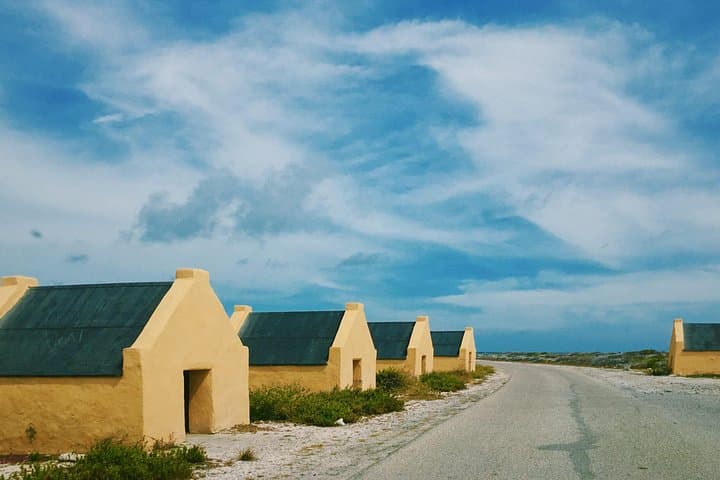

The van eases off the main road and the landscape opens: flats of blinding white salt, ponds turning from turquoise to shocking pink, and the steady, warm trade wind that seems to push the island forward. On this two-hour south tour you move through Bonaire’s quieter face — a coastline shaped by sun and salt rather than crowds. Guides point out lacquered salt mountains, low white huts from the mid-19th century, and a squat lighthouse marking the island’s southern tip.
The van eases off the main road and the landscape opens: flats of blinding white salt, ponds turning from turquoise to shocking pink, and the steady, warm trade wind that seems to push the island forward. On this two-hour south tour you move through Bonaire’s quieter face — a coastline shaped by sun and salt rather than crowds. Guides point out lacquered salt mountains, low white huts from the mid-19th century, and a squat lighthouse marking the island’s southern tip.
Geology here is simple and visible: fossilized limestone and coral flatlands altered by centuries of evaporation. The salt ponds are industrial and ecological at once; their color shifts reflect salinity and microbial life. Culturally, the white slave huts are brief, grim reminders of the island’s plantation past, while Curaçao and Dutch influences show in local place names and craft. Windsurfing lore centers on the shallow, wind-swept bays where professionals and learners share the same glassy water.
Practical guidance: the tour runs about two hours in air-conditioned vans, suited to all fitness levels and families. Expect short stops for photos and 10–20 minute walks at key points. Wear reef-safe sunscreen, a wide-brim hat, and sturdy sandals for uneven ground. Mornings offer calmer light for photography and less midday heat; afternoons highlight wind-sport activity.
Respect nesting birds and salt operations by staying on paths, and bring cash for small souvenirs or a coffee in Kralendijk afterward. The tour is compact but rich — a concentrated primer on Bonaire’s natural mechanics and human stories.