THE ADVENTURE COLLECTIVE® · Independent discovery and booking for outdoor travel

Spend two to three hours with an expert guide exploring Chennai’s coastal wetlands by scope and binoculars. Expect flat walking, rich shorebird activity at dawn, and focused photography tips from a local bird-call specialist.
Spend two to three hours with an expert guide exploring Chennai’s coastal wetlands by scope and binoculars. Expect flat walking, rich shorebird activity at dawn, and focused photography tips from a local bird-call specialist.
Morning on Chennai’s fringe arrives with a wet hush: tidewater slips back from mudflats, herons lift like exclamation points and a guide trains a scope on a distant roost. In a compact two-to-three hour outing you’ll move along tidal creeks, marsh fringes and city-edge wetlands, watching waders probe and warblers flit as the sunlight clamps onto their plumage.
Verified experiences and guided adventures in the surrounding area.
Operated by KeyTerns · Chennai, Tamil Nadu
Morning on Chennai’s fringe arrives with a wet hush: tidewater slips back from mudflats, herons lift like exclamation points and a guide trains a scope on a distant roost. In a compact two-to-three hour outing you’ll move along tidal creeks, marsh fringes and city-edge wetlands, watching waders probe and warblers flit as the sunlight clamps onto their plumage.
The coast around Chennai is a low-lying coastal plain shaped by estuaries and lagoons — Pallikaranai Marsh and the larger Pulicat Lagoon to the north are crucial stopovers on the Central Asian–Indian flyway. Salt pans, fishing hamlets and mangrove channels tell a quiet cultural story: communities adapted to tides and migratory rhythms for generations.
Expect easy, flat walking up to roughly 3 km depending on the chosen site; guides like Subbu bring high-end spotting scopes, call expertise and local knowledge that turn fleeting shapes into identified species. Recent trips recorded nearly 300 birds over a three-hour outing, including large waders and small passerines.
Practical notes: start at first light for the best activity and soft side-light for photography; bring a compact tripod or beanbag for scope-mounted shots. Wear sun protection, insect repellant and lightweight shoes that can handle damp ground. Keep voices low, avoid playback of calls, and follow the guide’s protocols to protect nesting or roosting birds.
This trip suits photographers looking to practice with long lenses and field learners wanting call-ID instruction; it’s a fast, focused way to experience Chennai’s vital coastal birdlife while supporting local naturalists.
Yes — the outing is low-impact, guided at an easy pace, and the curator adapts explanations for beginners and children.
Early morning is best for activity and light; many departures target first light for maximum sightings and photography conditions.
Guides typically bring a high-quality spotting scope and can assist with scope-to-camera techniques; bringing your own binoculars speeds the process.
Per booking conditions, cancellations made at least 24 hours before departure are eligible for a full refund; check the operator for exact terms.
KeyTerns operates guided outdoor trips and adventures with an emphasis on safety, stewardship, and memorable experiences.
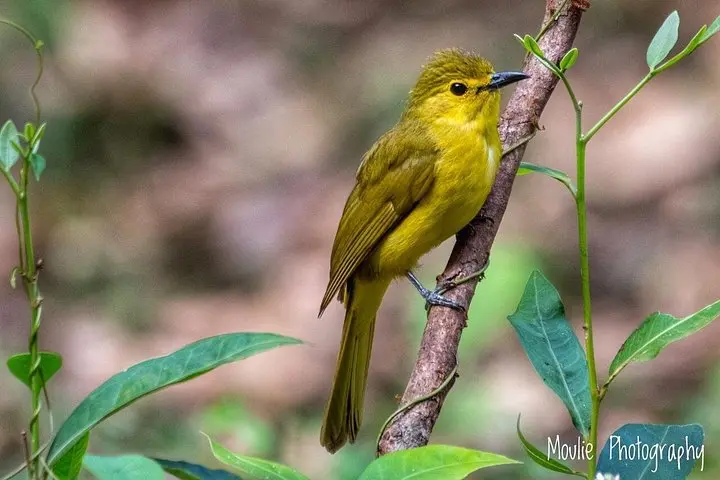
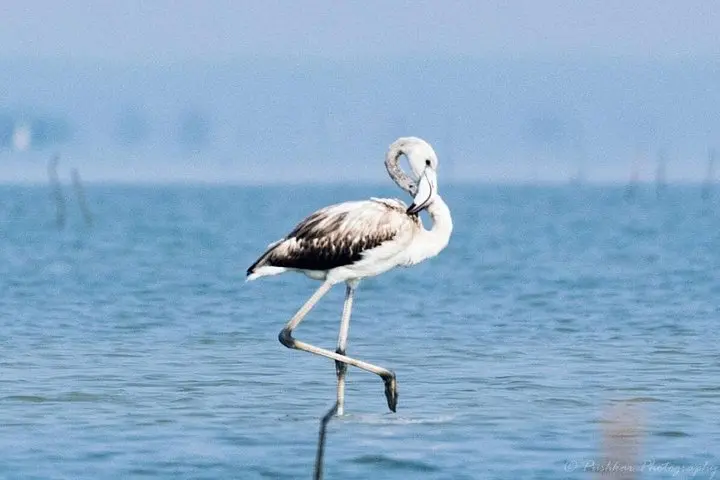
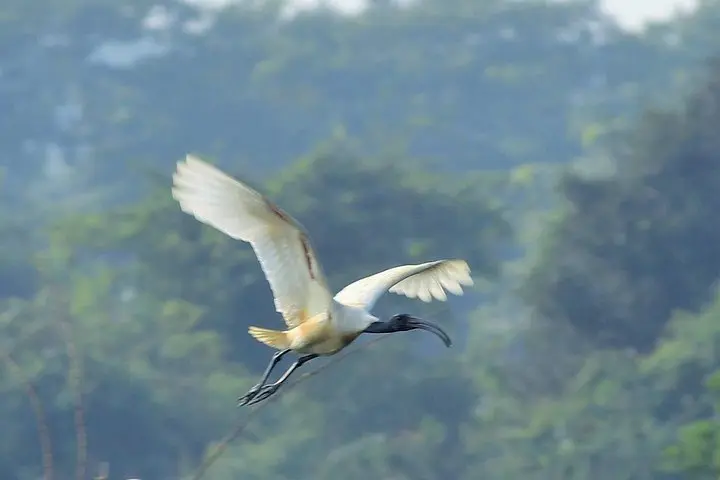
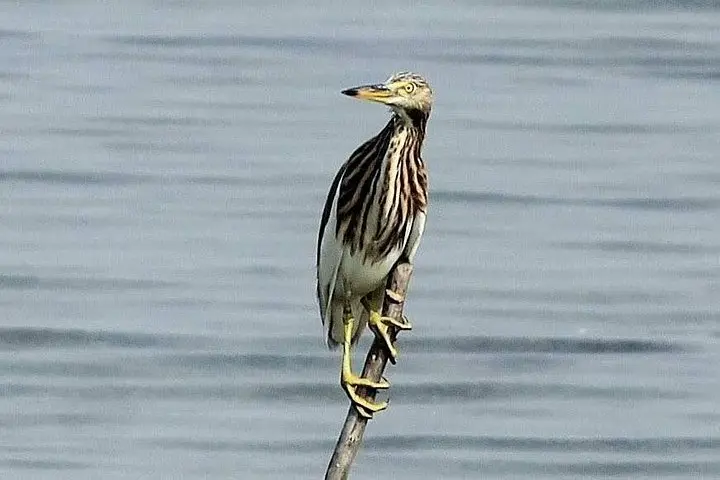
Morning on Chennai’s fringe arrives with a wet hush: tidewater slips back from mudflats, herons lift like exclamation points and a guide trains a scope on a distant roost. In a compact two-to-three hour outing you’ll move along tidal creeks, marsh fringes and city-edge wetlands, watching waders probe and warblers flit as the sunlight clamps onto their plumage.
Morning on Chennai’s fringe arrives with a wet hush: tidewater slips back from mudflats, herons lift like exclamation points and a guide trains a scope on a distant roost. In a compact two-to-three hour outing you’ll move along tidal creeks, marsh fringes and city-edge wetlands, watching waders probe and warblers flit as the sunlight clamps onto their plumage.
The coast around Chennai is a low-lying coastal plain shaped by estuaries and lagoons — Pallikaranai Marsh and the larger Pulicat Lagoon to the north are crucial stopovers on the Central Asian–Indian flyway. Salt pans, fishing hamlets and mangrove channels tell a quiet cultural story: communities adapted to tides and migratory rhythms for generations.
Expect easy, flat walking up to roughly 3 km depending on the chosen site; guides like Subbu bring high-end spotting scopes, call expertise and local knowledge that turn fleeting shapes into identified species. Recent trips recorded nearly 300 birds over a three-hour outing, including large waders and small passerines.
Practical notes: start at first light for the best activity and soft side-light for photography; bring a compact tripod or beanbag for scope-mounted shots. Wear sun protection, insect repellant and lightweight shoes that can handle damp ground. Keep voices low, avoid playback of calls, and follow the guide’s protocols to protect nesting or roosting birds.
This trip suits photographers looking to practice with long lenses and field learners wanting call-ID instruction; it’s a fast, focused way to experience Chennai’s vital coastal birdlife while supporting local naturalists.