THE ADVENTURE COLLECTIVE® · Independent discovery and booking for outdoor travel

Walk the coffee rows near Antigua Guatemala, feel ripe cherries and learn roasting methods in a private, hands-on tour. Expect 2–2.5 hours of field-to-cup demonstrations, tasting, and a visit to a small coffee museum.
Walk the coffee rows near Antigua Guatemala, feel ripe cherries and learn roasting methods in a private, hands-on tour. Expect 2–2.5 hours of field-to-cup demonstrations, tasting, and a visit to a small coffee museum.
Gray morning light lifts off the volcanic shoulders around Antigua as you step into neat rows of coffee plants. The air smells of damp earth and green cherry; a guide passes you a warm cup and explains how altitude and volcanic soils shape flavor. You can touch the beans, learn to pick ripe fruit and watch a small roaster turn raw seeds into the smelling, steaming coffee you sip.
Verified experiences and guided adventures in the surrounding area.
Operated by ASH TRAVEL · Antigua Guatemala, Sacatepéquez
Gray morning light lifts off the volcanic shoulders around Antigua as you step into neat rows of coffee plants. The air smells of damp earth and green cherry; a guide passes you a warm cup and explains how altitude and volcanic soils shape flavor. You can touch the beans, learn to pick ripe fruit and watch a small roaster turn raw seeds into the smelling, steaming coffee you sip.
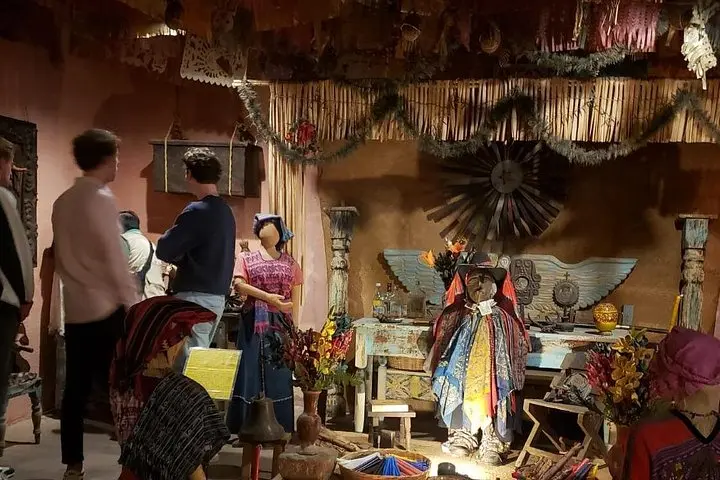
This region’s coffee culture stretches back to colonial export routes layered over Maya market systems; local museums on the plantation outline how beans moved from hillside farms to ports. Geologically, Antigua sits in a high valley—elevations near 1,400–1,600 m—where volcanic ash and well-drained slopes favor Arabica varieties and bright acidity.
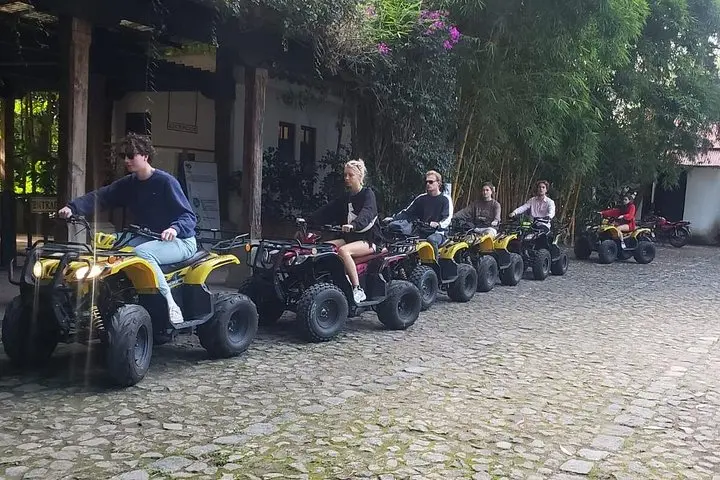
The tour moves from field to processing area to a compact on-site museum, ending at a tasting and optional coffee liqueur sample. Tours run roughly 2–2.5 hours and are private, allowing you to repeat tastings and ask hands-on questions. Transportation is included and there’s an option to take the route by vehicle rather than ATV, making the visit accessible to strollers and some mobility needs.
Bring sturdy shoes for uneven farm paths, sun protection, and a refillable bottle. Expect mild climbs between rows and muddy patches in the wet season. If you’re interested in buying whole beans, staff usually sell roasted batches on site. The experience is practical and sensory: you leave with a clearer idea of how terroir, processing, and human hands turn a cherry on a tree into your morning cup.
The guided plantation tour runs about 2 to 2.5 hours from field walks to tasting and the small on-site museum.
Yes, private transportation is listed as included; you can request a vehicle option instead of ATV for greater accessibility.
Yes — the tour notes stroller access and a vehicle option suitable for infants; infants typically must sit on an adult’s lap during transit.
Most plantations sell roasted beans or liqueur samples after tastings—ask staff about available varieties and packaging for export.
ASH TRAVEL operates guided outdoor trips and adventures with an emphasis on safety, stewardship, and memorable experiences.
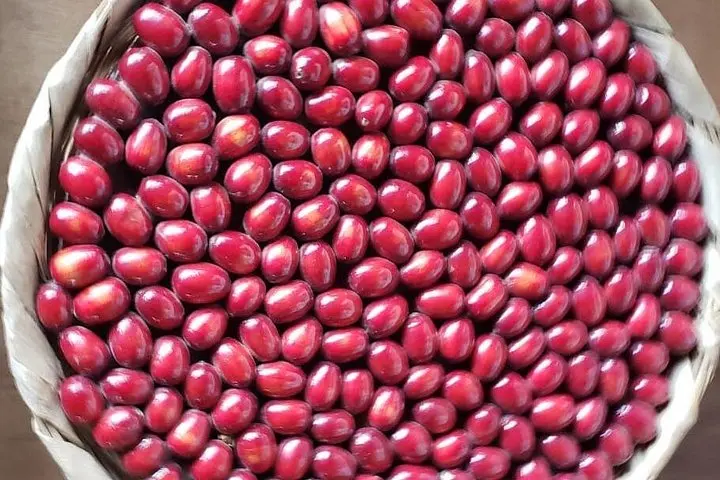
Gray morning light lifts off the volcanic shoulders around Antigua as you step into neat rows of coffee plants. The air smells of damp earth and green cherry; a guide passes you a warm cup and explains how altitude and volcanic soils shape flavor. You can touch the beans, learn to pick ripe fruit and watch a small roaster turn raw seeds into the smelling, steaming coffee you sip.
Gray morning light lifts off the volcanic shoulders around Antigua as you step into neat rows of coffee plants. The air smells of damp earth and green cherry; a guide passes you a warm cup and explains how altitude and volcanic soils shape flavor. You can touch the beans, learn to pick ripe fruit and watch a small roaster turn raw seeds into the smelling, steaming coffee you sip.
This region’s coffee culture stretches back to colonial export routes layered over Maya market systems; local museums on the plantation outline how beans moved from hillside farms to ports. Geologically, Antigua sits in a high valley—elevations near 1,400–1,600 m—where volcanic ash and well-drained slopes favor Arabica varieties and bright acidity.
The tour moves from field to processing area to a compact on-site museum, ending at a tasting and optional coffee liqueur sample. Tours run roughly 2–2.5 hours and are private, allowing you to repeat tastings and ask hands-on questions. Transportation is included and there’s an option to take the route by vehicle rather than ATV, making the visit accessible to strollers and some mobility needs.
Bring sturdy shoes for uneven farm paths, sun protection, and a refillable bottle. Expect mild climbs between rows and muddy patches in the wet season. If you’re interested in buying whole beans, staff usually sell roasted batches on site. The experience is practical and sensory: you leave with a clearer idea of how terroir, processing, and human hands turn a cherry on a tree into your morning cup.