THE ADVENTURE COLLECTIVE® · Independent discovery and booking for outdoor travel

Spend a day above the valley on a guided hike through the Brenta Dolomites, climbing past scree slopes, visiting a mountain hut, and learning local geology and culture from a mountain professional. Ideal for active travelers seeking panoramic ridgelines with practical, safety-conscious guidance.
Spend a day above the valley on a guided hike through the Brenta Dolomites, climbing past scree slopes, visiting a mountain hut, and learning local geology and culture from a mountain professional. Ideal for active travelers seeking panoramic ridgelines with practical, safety-conscious guidance.
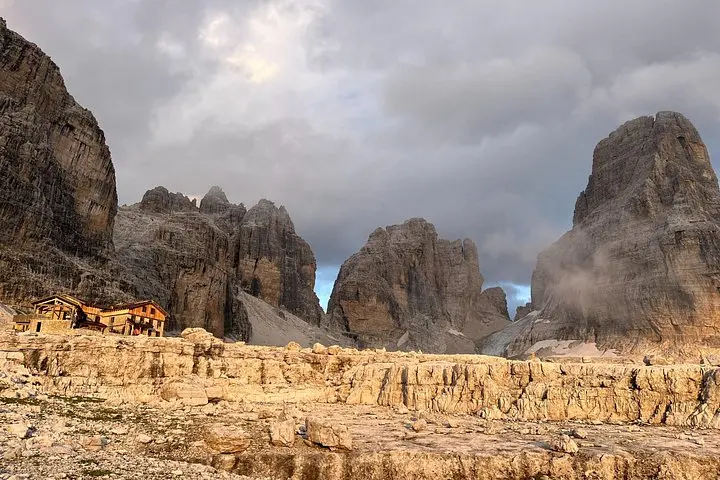
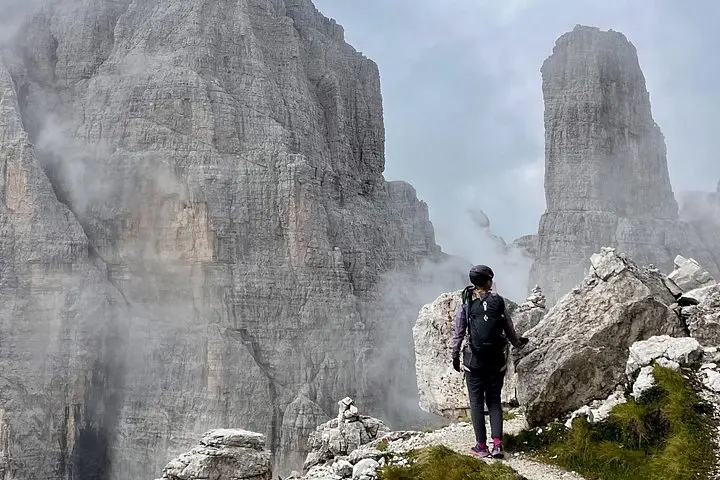
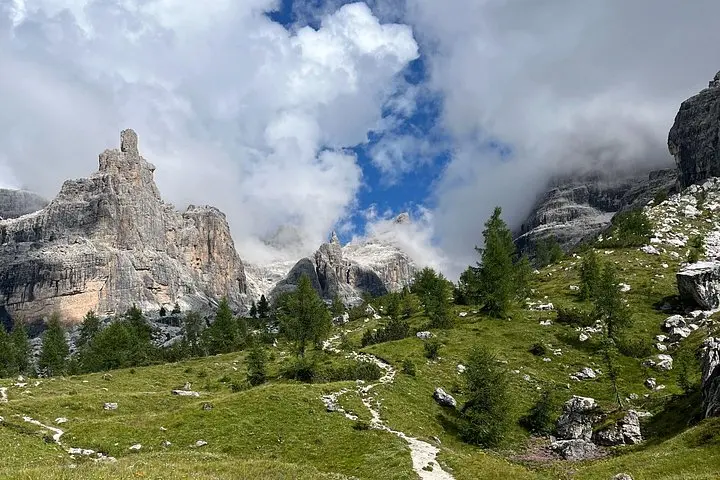
The trail opens with the lift’s metallic groan and the Dolomite walls spilling into view—sheer towers of dolomite that catch morning light like pale cliffs of stone. A small group steps off at the alpine zone, air thin, spruce and larch lining the first switchbacks, and the guide sets the pace with local stories about shepherd routes and wartime passes.
Verified experiences and guided adventures in the surrounding area.
Operated by Konstantin Bartosh · Madonna di Campiglio, Trentino-Alto Adige
The trail opens with the lift’s metallic groan and the Dolomite walls spilling into view—sheer towers of dolomite that catch morning light like pale cliffs of stone. A small group steps off at the alpine zone, air thin, spruce and larch lining the first switchbacks, and the guide sets the pace with local stories about shepherd routes and wartime passes.
Geology here is obvious: the Brenta’s pale carbonate rock was thrust up and sculpted by ice, leaving dramatic spires and broad cirques. Human history follows the stone—alpine huts (rifugi) that once served shepherds now offer coffee and polenta, and the region’s mixed Ladin and Trentino culture shows in menu staples and place names.
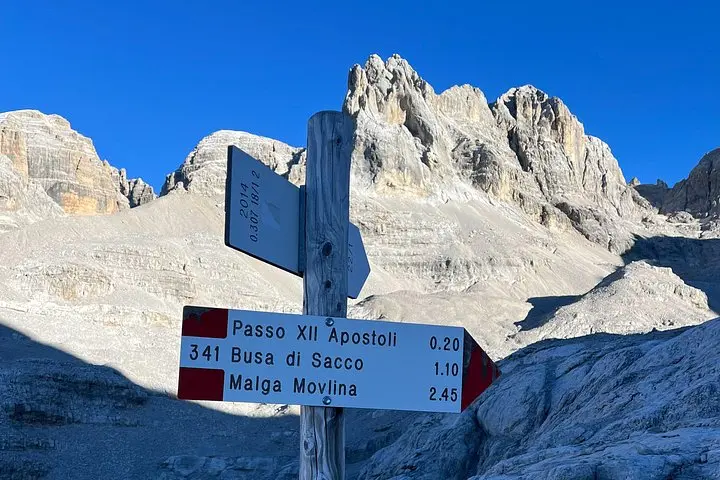
Hikes run on steep scree, grassy ledges and carved switchbacks; expect elevation gain of 600–1,000 m over a long day with several exposed sections and short scrambles where hands help balance. Wildlife—ibex and marmot—keeps a wary distance while choughs wheel above.
Practical guidance: start early to avoid afternoon weather, pack layers for rapid temperature swings, and bring snacks beyond the hut meal if you plan longer variants. Use sturdy boots with good ankle support and a light trekking pole for balance on scree. Guides adjust the route to group fitness and can return by lift if legs tire, but plan on 6–8 hours of moving time for a full loop.
This day hike is both a primer on alpine geology and a physical outing: expect panoramic views, honest effort, and quiet moments at a refuge table with a plate of local mountain food.
Moderate fitness is required—plan on sustained uphill sections and 600–1,000 m of elevation gain; guides tailor pace to the group but expect a full day of walking.
Yes—many itineraries begin with a lift to the alpine zone and can use lifts for descent if preferred or necessary.
The day includes a stop at a mountain hut where you can buy local dishes; bring extra snacks if you need more energy between stops.
Alpine weather can change quickly—mornings are usually calm, with a higher chance of afternoon showers or thunderstorms in summer; be prepared with layers and rain protection.
Konstantin Bartosh operates guided outdoor trips and adventures with an emphasis on safety, stewardship, and memorable experiences.
The trail opens with the lift’s metallic groan and the Dolomite walls spilling into view—sheer towers of dolomite that catch morning light like pale cliffs of stone. A small group steps off at the alpine zone, air thin, spruce and larch lining the first switchbacks, and the guide sets the pace with local stories about shepherd routes and wartime passes.
The trail opens with the lift’s metallic groan and the Dolomite walls spilling into view—sheer towers of dolomite that catch morning light like pale cliffs of stone. A small group steps off at the alpine zone, air thin, spruce and larch lining the first switchbacks, and the guide sets the pace with local stories about shepherd routes and wartime passes.
Geology here is obvious: the Brenta’s pale carbonate rock was thrust up and sculpted by ice, leaving dramatic spires and broad cirques. Human history follows the stone—alpine huts (rifugi) that once served shepherds now offer coffee and polenta, and the region’s mixed Ladin and Trentino culture shows in menu staples and place names.
Hikes run on steep scree, grassy ledges and carved switchbacks; expect elevation gain of 600–1,000 m over a long day with several exposed sections and short scrambles where hands help balance. Wildlife—ibex and marmot—keeps a wary distance while choughs wheel above.
Practical guidance: start early to avoid afternoon weather, pack layers for rapid temperature swings, and bring snacks beyond the hut meal if you plan longer variants. Use sturdy boots with good ankle support and a light trekking pole for balance on scree. Guides adjust the route to group fitness and can return by lift if legs tire, but plan on 6–8 hours of moving time for a full loop.
This day hike is both a primer on alpine geology and a physical outing: expect panoramic views, honest effort, and quiet moments at a refuge table with a plate of local mountain food.