THE ADVENTURE COLLECTIVE® · Independent discovery and booking for outdoor travel

A full-day guided tour takes you across Tenerife’s lunar caldera to Roques de García and the base of Mount Teide. Expect bus transfers, short walks on volcanic terrain, and optional cable-car access to high alpine views.
A full-day guided tour takes you across Tenerife’s lunar caldera to Roques de García and the base of Mount Teide. Expect bus transfers, short walks on volcanic terrain, and optional cable-car access to high alpine views.
A wind-swept scrub and black lava fields open like a stage as the coach climbs toward Las Cañadas. On arrival the landscape changes suddenly: jagged volcanic rock, pale teide broom, and the distant white of the summit catching sunlight. Visitors step out into a high-altitude plain where the air is thinner and the scale of the caldera makes people feel very small.
Verified experiences and guided adventures in the surrounding area.
Operated by Island Excursion · Vilaflor, Santa Cruz de Tenerife
A wind-swept scrub and black lava fields open like a stage as the coach climbs toward Las Cañadas. On arrival the landscape changes suddenly: jagged volcanic rock, pale teide broom, and the distant white of the summit catching sunlight. Visitors step out into a high-altitude plain where the air is thinner and the scale of the caldera makes people feel very small.
Geology here reads like a long, active biography—Teide sits inside a 17 km-wide caldera formed by past eruptions, with flows and pyroclastic deposits layered across millennia. UNESCO recognition honors both that geology and the stark landscapes at Roques de García, whose sculpted pinnacles were worn by wind and time. Culturally, the island’s Guanche heritage and later Spanish agricultural settlements are visible in nearby towns like Vilaflor, where pine forests give a softer frame to the volcanic interior.
Practical guidance: the full excursion is a 6–8 hour experience that mixes comfortable coach travel with short walks across uneven lava and marked viewpoints. Cable car ascent is optional and not included; summit access above the upper station requires a separate permit. Expect strong sun, rapid temperature swings, and wind—dress in layers, bring sun protection and water, and plan for slower breathing at altitude.
This tour suits travelers wanting dramatic photography, basic interpretive stops, and a chance to stand beneath Spain’s highest peak without technical climbing. Allow time for the Roques de García loop and check cable-car schedules if you intend to ride skyward.
No—the cable car ascent to the upper station is optional and requires a separate ticket and, for summit permits above the upper station, a prior permit.
Walking is limited to short loops and viewpoints such as Roques de García; paths are uneven but not technical, and the tour is rated easy.
Yes—Teide’s environment reaches high elevation; visitors may notice shortness of breath or mild dizziness. Move slowly and stay hydrated.
The tour notes that infants and small children can be accommodated and strollers are possible on flatter sections, but uneven terrain may limit mobility.
Island Excursion operates guided outdoor trips and adventures with an emphasis on safety, stewardship, and memorable experiences.

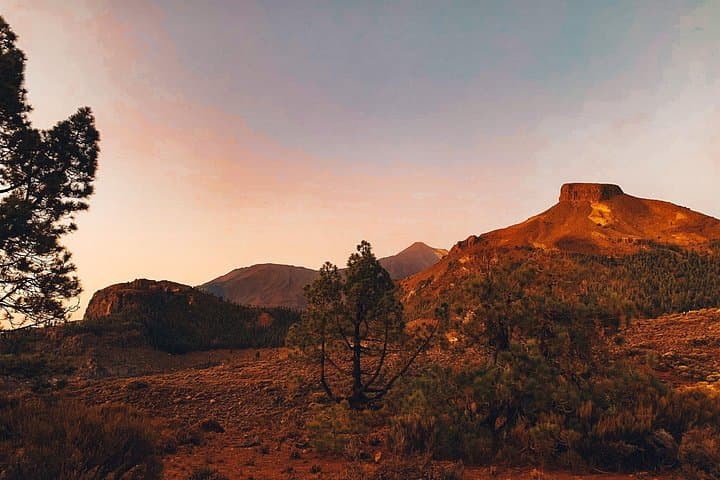


A wind-swept scrub and black lava fields open like a stage as the coach climbs toward Las Cañadas. On arrival the landscape changes suddenly: jagged volcanic rock, pale teide broom, and the distant white of the summit catching sunlight. Visitors step out into a high-altitude plain where the air is thinner and the scale of the caldera makes people feel very small.
A wind-swept scrub and black lava fields open like a stage as the coach climbs toward Las Cañadas. On arrival the landscape changes suddenly: jagged volcanic rock, pale teide broom, and the distant white of the summit catching sunlight. Visitors step out into a high-altitude plain where the air is thinner and the scale of the caldera makes people feel very small.
Geology here reads like a long, active biography—Teide sits inside a 17 km-wide caldera formed by past eruptions, with flows and pyroclastic deposits layered across millennia. UNESCO recognition honors both that geology and the stark landscapes at Roques de García, whose sculpted pinnacles were worn by wind and time. Culturally, the island’s Guanche heritage and later Spanish agricultural settlements are visible in nearby towns like Vilaflor, where pine forests give a softer frame to the volcanic interior.
Practical guidance: the full excursion is a 6–8 hour experience that mixes comfortable coach travel with short walks across uneven lava and marked viewpoints. Cable car ascent is optional and not included; summit access above the upper station requires a separate permit. Expect strong sun, rapid temperature swings, and wind—dress in layers, bring sun protection and water, and plan for slower breathing at altitude.
This tour suits travelers wanting dramatic photography, basic interpretive stops, and a chance to stand beneath Spain’s highest peak without technical climbing. Allow time for the Roques de García loop and check cable-car schedules if you intend to ride skyward.