THE ADVENTURE COLLECTIVE® · Independent discovery and booking for outdoor travel

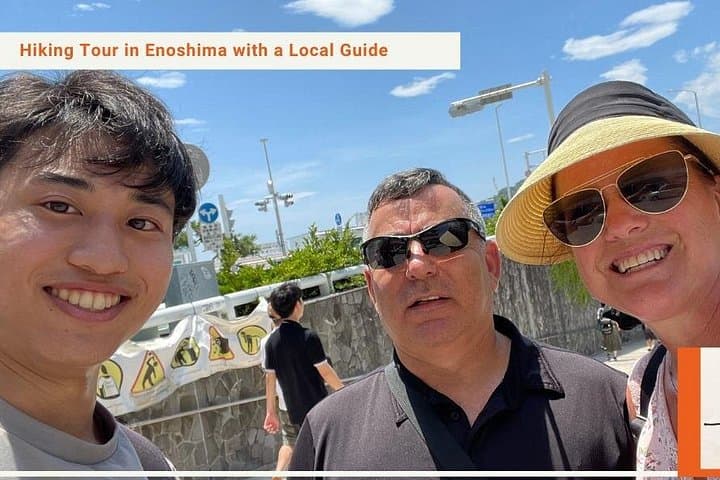
Explore Enoshima on a guided 3–4 hour walking tour that combines coastal lookouts, the island’s shrines, and sea caves with local stories and street food. Ideal for travelers who want cultural context and easier logistics without speaking Japanese.
Explore Enoshima on a guided 3–4 hour walking tour that combines coastal lookouts, the island’s shrines, and sea caves with local stories and street food. Ideal for travelers who want cultural context and easier logistics without speaking Japanese.
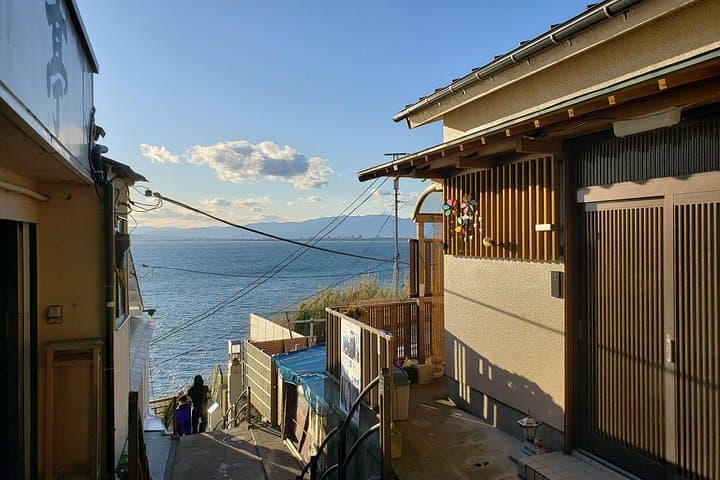
You step off the train into a salt-scented breeze and follow a narrow causeway toward Enoshima, the compact island that presses its rocky face into Sagami Bay.
Verified experiences and guided adventures in the surrounding area.
Operated by Waku Waku Trip · Fujisawa, Kanagawa Prefecture
You step off the train into a salt-scented breeze and follow a narrow causeway toward Enoshima, the compact island that presses its rocky face into Sagami Bay.
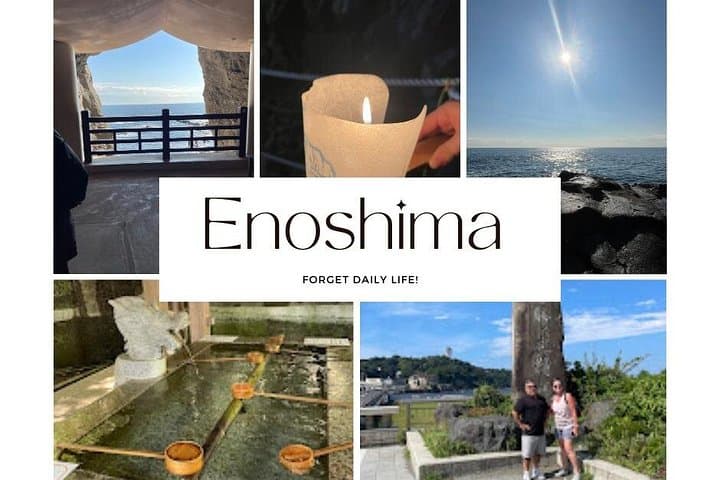
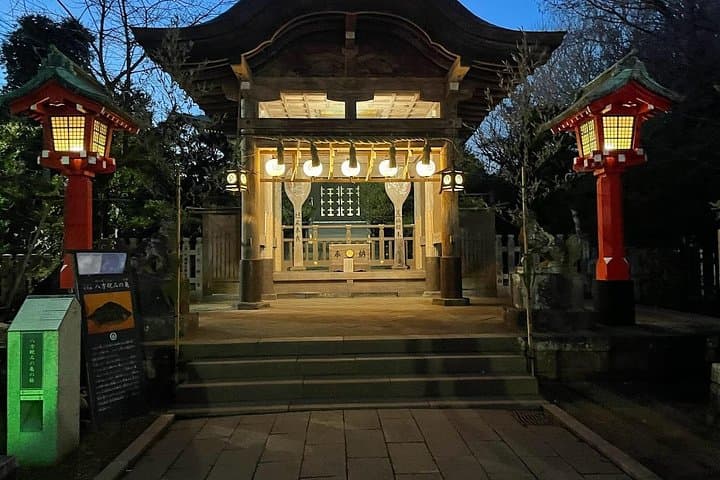
The walk begins on stone lanes lined with vendors selling shirasu (local whitebait) and takoyaki; gulls wheel above the pier while the island’s observation decks promise a clear-eyed view of Mount Fuji on good days. Higher paths thread through the Samuel Cocking Garden, past the lighthouse, and up to the shrine complex where wooden ema and fluttering omikuji mark everyday acts of devotion.
Enoshima’s human story spans centuries: it grew from coastal reef and marine deposits into a ritual center for Benzaiten worship, and Edo-period travelers helped shape the island’s visitor routes. Geology is visible in the island’s layered rock and the sea-worn Iwaya caves, reached at low tide, where waves still carve the shoreline.
A guided hike here mixes cultural stops with short, steep climbs—stone steps, narrow alleys, and coastal lookouts. Expect 3–4 hours on foot, moderate effort, and frequent photo stops. Practical notes: wear grippy shoes for uneven steps, carry small change for shrine boxes and street food, and check visibility if you want Fuji framed against the sea. The guide handles logistics and cultural translation, but tides and elevator hours can alter the route.
Enoshima rewards steady pacing: move deliberately along cliffs and lanes, listen for temple bells, and let the sea push the day forward—this is a compact, layered hike where nature and culture share the same path.
The guided tour runs about 3–4 hours and is rated moderate: expect multiple flights of stone steps, short steep sections, and standing at viewpoints.
Yes—on clear days the island’s observation decks offer excellent views of Mount Fuji across Sagami Bay, but visibility depends on weather.
The tour notes include elevator fees and certain arcade fees; small additional costs for museum entries, shrine offerings, or snacks are possible—bring cash.
Yes—the tour is recommended for non-Japanese speakers; the local guide provides interpretation and cultural context throughout the walk.
Waku Waku Trip operates guided outdoor trips and adventures with an emphasis on safety, stewardship, and memorable experiences.
You step off the train into a salt-scented breeze and follow a narrow causeway toward Enoshima, the compact island that presses its rocky face into Sagami Bay.
You step off the train into a salt-scented breeze and follow a narrow causeway toward Enoshima, the compact island that presses its rocky face into Sagami Bay.
The walk begins on stone lanes lined with vendors selling shirasu (local whitebait) and takoyaki; gulls wheel above the pier while the island’s observation decks promise a clear-eyed view of Mount Fuji on good days. Higher paths thread through the Samuel Cocking Garden, past the lighthouse, and up to the shrine complex where wooden ema and fluttering omikuji mark everyday acts of devotion.
Enoshima’s human story spans centuries: it grew from coastal reef and marine deposits into a ritual center for Benzaiten worship, and Edo-period travelers helped shape the island’s visitor routes. Geology is visible in the island’s layered rock and the sea-worn Iwaya caves, reached at low tide, where waves still carve the shoreline.
A guided hike here mixes cultural stops with short, steep climbs—stone steps, narrow alleys, and coastal lookouts. Expect 3–4 hours on foot, moderate effort, and frequent photo stops. Practical notes: wear grippy shoes for uneven steps, carry small change for shrine boxes and street food, and check visibility if you want Fuji framed against the sea. The guide handles logistics and cultural translation, but tides and elevator hours can alter the route.
Enoshima rewards steady pacing: move deliberately along cliffs and lanes, listen for temple bells, and let the sea push the day forward—this is a compact, layered hike where nature and culture share the same path.