THE ADVENTURE COLLECTIVE® · Independent discovery and booking for outdoor travel

Step off Heidelberg’s cobblestones and into the Odenwald: a guided 3-hour forest walk just 10 minutes from the city center that mixes easy climbs, sandstone outcrops, and local natural history. Learn route specifics, what to pack, and how to time your visit.
Step off Heidelberg’s cobblestones and into the Odenwald: a guided 3-hour forest walk just 10 minutes from the city center that mixes easy climbs, sandstone outcrops, and local natural history. Learn route specifics, what to pack, and how to time your visit.
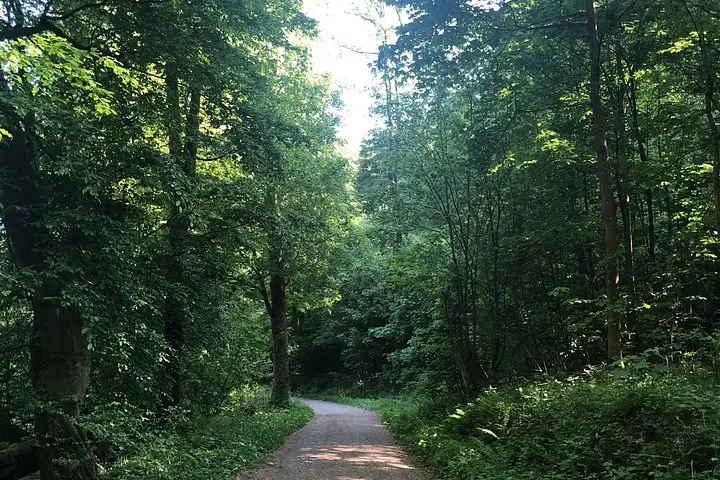
A cool morning in Heidelberg begins with the hush of tall beech and oak; the forest breathes and the trail invites you in. Within ten minutes of the castle-dotted Hauptstraße, a guide leads a small group onto broad, leaf-strewn tracks where sunlight filters through an almost cathedral-like canopy and the air smells of pine and damp earth.
Verified experiences and guided adventures in the surrounding area.
Operated by Henryheidelbergtours · Heidelberg, Baden-Württemberg
A cool morning in Heidelberg begins with the hush of tall beech and oak; the forest breathes and the trail invites you in. Within ten minutes of the castle-dotted Hauptstraße, a guide leads a small group onto broad, leaf-strewn tracks where sunlight filters through an almost cathedral-like canopy and the air smells of pine and damp earth.
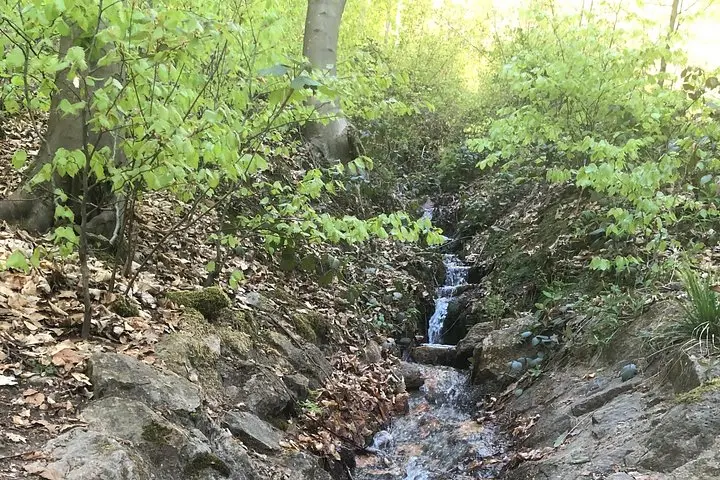
Geology here is honest—weathered sandstone outcrops and rolling hills formed by the Rhine Rift's long push—so the path alternates between gentle rises and flat runnable sections. The Odenwald around Heidelberg has been shaped by centuries of human use: charcoal burners, foresters, and Roman routes left traces that stick in local place names and occasional stone walls.
Culture is low-key: weekend hikers, students from the university, and mushroom pickers share the same routes. Guides often point out local lore—ancient beech copses, a WWII lookout repurposed for views, and the regional practice of sustainable selective logging.
For planning: expect a guided 3-hour, 6–8 km walk with roughly 150–250 m cumulative elevation gain on mostly dirt and compact gravel trails; some rooty sections can be slippery after rain. The tour provides bottled water and snacks; meeting point is close to public transport and the route returns to the start.
Bring sturdy footwear, layered clothing for shifting forest microclimates, and a small daypack. Aim for morning or late afternoon to avoid midday crowds and to catch softer light. The guide adapts pace for mixed-ability groups, but a moderate level of fitness makes the experience smoother.
The meeting point is a short walk or tram ride from Heidelberg city center (approximately 10 minutes); exact pickup details are provided after booking.
The guided walk lasts about 3 hours, covering roughly 6–8 km with 150–250 m total ascent—rated moderate for mixed-ability groups.
Some sections are stroller-accessible and the tour notes allow pets, but expect rooty, uneven sections; contact the operator in advance for specifics.
Full refund available if canceled at least 24 hours before departure; same-day cancellations are non-refundable and tours may be canceled if minimum participants are not met.
Henryheidelbergtours operates guided outdoor trips and adventures with an emphasis on safety, stewardship, and memorable experiences.
A cool morning in Heidelberg begins with the hush of tall beech and oak; the forest breathes and the trail invites you in. Within ten minutes of the castle-dotted Hauptstraße, a guide leads a small group onto broad, leaf-strewn tracks where sunlight filters through an almost cathedral-like canopy and the air smells of pine and damp earth.
A cool morning in Heidelberg begins with the hush of tall beech and oak; the forest breathes and the trail invites you in. Within ten minutes of the castle-dotted Hauptstraße, a guide leads a small group onto broad, leaf-strewn tracks where sunlight filters through an almost cathedral-like canopy and the air smells of pine and damp earth.
Geology here is honest—weathered sandstone outcrops and rolling hills formed by the Rhine Rift's long push—so the path alternates between gentle rises and flat runnable sections. The Odenwald around Heidelberg has been shaped by centuries of human use: charcoal burners, foresters, and Roman routes left traces that stick in local place names and occasional stone walls.
Culture is low-key: weekend hikers, students from the university, and mushroom pickers share the same routes. Guides often point out local lore—ancient beech copses, a WWII lookout repurposed for views, and the regional practice of sustainable selective logging.
For planning: expect a guided 3-hour, 6–8 km walk with roughly 150–250 m cumulative elevation gain on mostly dirt and compact gravel trails; some rooty sections can be slippery after rain. The tour provides bottled water and snacks; meeting point is close to public transport and the route returns to the start.
Bring sturdy footwear, layered clothing for shifting forest microclimates, and a small daypack. Aim for morning or late afternoon to avoid midday crowds and to catch softer light. The guide adapts pace for mixed-ability groups, but a moderate level of fitness makes the experience smoother.