THE ADVENTURE COLLECTIVE® · Independent discovery and booking for outdoor travel

A compact, interpretive half-day that pairs a 1.7-mile loop around Dierkes Lake with an up-close visit to Shoshone Falls. Expect volcanic geology, birdlife, rim views, and the thunderous presence of one of the West’s largest waterfalls.
A compact, interpretive half-day that pairs a 1.7-mile loop around Dierkes Lake with an up-close visit to Shoshone Falls. Expect volcanic geology, birdlife, rim views, and the thunderous presence of one of the West’s largest waterfalls.
Stand on the rim and let the Snake River dare you to peer down: the canyon’s wind pushes a fine spray from Shoshone Falls toward the viewing platform while sagebrush and basalt cliffs frame the route back to Dierkes Lake.
Verified experiences and guided adventures in the surrounding area.
Operated by Big Green Adventure Tours · Twin Falls, Idaho
Stand on the rim and let the Snake River dare you to peer down: the canyon’s wind pushes a fine spray from Shoshone Falls toward the viewing platform while sagebrush and basalt cliffs frame the route back to Dierkes Lake.
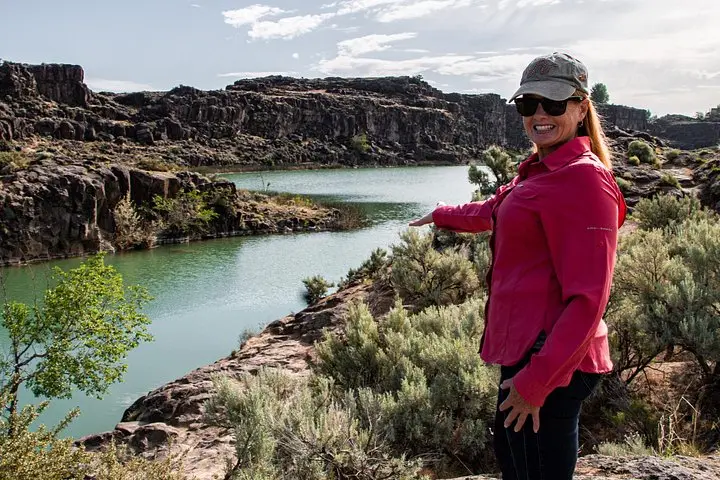
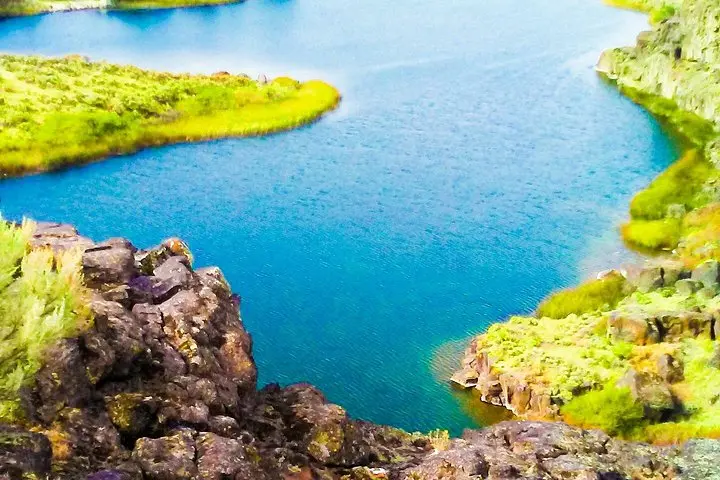
This guided 1.7-mile loop begins on an obvious, moderately graded trail that threads through shrub-steppe and juniper pockets, then drops into a short valley revealing two hidden lakes—one sculpted by volcanic flows, the other a marshy refuge for waterfowl. The guide explains how Lake Bonneville’s cataclysmic overflow about 15,000 years ago gouged the canyon and left exposed layers of lava and tuff that shape the cliffs you’ll climb.
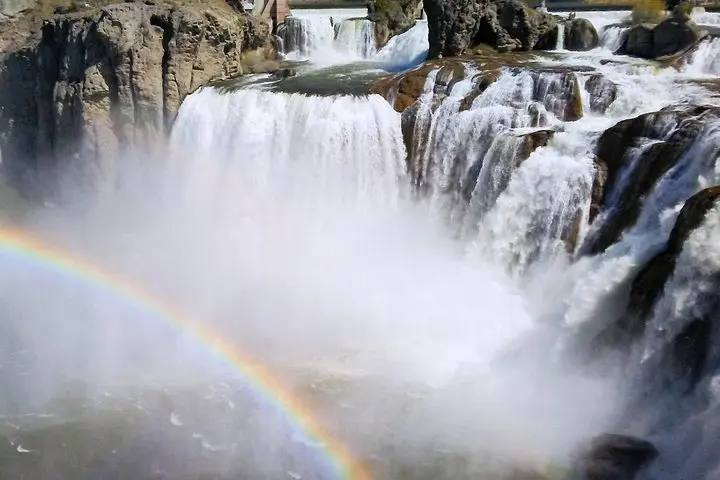
After the lakes, the hike ascends a series of man-made staircases to the Snake River rim, offering sweeping lines of the river cutting through basalt. A short drive brings the group to Shoshone Falls—212 feet tall and roughly 950 feet across—where the team walks to the main viewing platform and through a small interpretive park that traces early 20th-century hydroelectric history.
Practical notes: expect mixed dirt and rock underfoot, a few steep steps, and exposed sun on the rim. Wildlife sightings commonly include raptors and marsh birds; bring binoculars. The pace is interpretive—stops for geology and photo opportunities are frequent—so allow three to four hours for the half-day experience. Wear sturdy shoes, sun protection, and carry water; spring offers the most dramatic flows, summer is drier but warmer.
The route covers about 1.7 miles with some short steep stair sections to the canyon rim; it’s rated moderate due to elevation changes and stairs, but the pace is interpretive with frequent stops.
Yes—most ages can participate if they can manage stairs and short climbs; the tour notes caution for spinal, heart, or pregnancy concerns in its booking information.
Shoshone Falls Park has restrooms and a small concessions area; bring snacks for the trail portion near Dierkes Lake since services are limited there.
The tour includes access to the main viewing platform at Shoshone Falls, where you can stand yards from the top flow and view the falls across the river.
Big Green Adventure Tours operates guided outdoor trips and adventures with an emphasis on safety, stewardship, and memorable experiences.
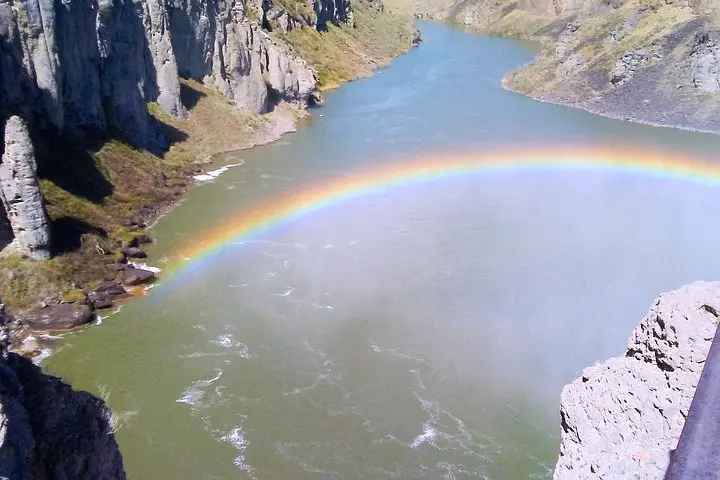
Stand on the rim and let the Snake River dare you to peer down: the canyon’s wind pushes a fine spray from Shoshone Falls toward the viewing platform while sagebrush and basalt cliffs frame the route back to Dierkes Lake.
Stand on the rim and let the Snake River dare you to peer down: the canyon’s wind pushes a fine spray from Shoshone Falls toward the viewing platform while sagebrush and basalt cliffs frame the route back to Dierkes Lake.
This guided 1.7-mile loop begins on an obvious, moderately graded trail that threads through shrub-steppe and juniper pockets, then drops into a short valley revealing two hidden lakes—one sculpted by volcanic flows, the other a marshy refuge for waterfowl. The guide explains how Lake Bonneville’s cataclysmic overflow about 15,000 years ago gouged the canyon and left exposed layers of lava and tuff that shape the cliffs you’ll climb.
After the lakes, the hike ascends a series of man-made staircases to the Snake River rim, offering sweeping lines of the river cutting through basalt. A short drive brings the group to Shoshone Falls—212 feet tall and roughly 950 feet across—where the team walks to the main viewing platform and through a small interpretive park that traces early 20th-century hydroelectric history.
Practical notes: expect mixed dirt and rock underfoot, a few steep steps, and exposed sun on the rim. Wildlife sightings commonly include raptors and marsh birds; bring binoculars. The pace is interpretive—stops for geology and photo opportunities are frequent—so allow three to four hours for the half-day experience. Wear sturdy shoes, sun protection, and carry water; spring offers the most dramatic flows, summer is drier but warmer.