THE ADVENTURE COLLECTIVE® · Independent discovery and booking for outdoor travel

Climb a short, panoramic trail to Pedra Bonita for sweeping views of Rio and the city’s busiest paragliding launch. This guided hike mixes manageable terrain with dramatic coastal and city vistas—ideal for photographers and first-time hikers.
Climb a short, panoramic trail to Pedra Bonita for sweeping views of Rio and the city’s busiest paragliding launch. This guided hike mixes manageable terrain with dramatic coastal and city vistas—ideal for photographers and first-time hikers.
The trail opens with the humid breath of the Atlantic Forest pressing close, and a skyline of rock and ocean rising ahead. Hikers step from shaded singletrack into a wide ridge that climbs toward Pedra Bonita’s broad summit; from that ledge the city unfurls—Christ the Redeemer, Ipanema’s sweep of sand, Lagoa Rodrigo de Freitas, and the face of Pedra da Gávea across the valley.
Verified experiences and guided adventures in the surrounding area.
Operated by RIO PASSEIOS EXPERIENCE · Rio de Janeiro, Rio de Janeiro
The trail opens with the humid breath of the Atlantic Forest pressing close, and a skyline of rock and ocean rising ahead. Hikers step from shaded singletrack into a wide ridge that climbs toward Pedra Bonita’s broad summit; from that ledge the city unfurls—Christ the Redeemer, Ipanema’s sweep of sand, Lagoa Rodrigo de Freitas, and the face of Pedra da Gávea across the valley.
Geologically, Pedra Bonita is part of the coastal granite outcrops that punctuate Rio’s Serra do Mar, worn into dramatic cliffs by millions of years of wind and sea. Culturally the area carries Carioca lore—legends around Pedra da Gávea—and the trail threads through forest restored during 19th-century reforestation efforts that created today’s Tijuca National Park.
Guides usually include a stop at Agulhinha da Gávea viewpoint and the free-flight launch ramp, where hang-gliders and paragliders gather like colorful punctuation against the sky. Expect well-marked paths, a few steep switchbacks, rock steps, and exposed viewpoints; the shared group pace keeps things accessible for most visitors.
Practical guidance: start early for cooler temperatures and clear light, bring 1–2 liters of water, and wear grippy shoes—some sections are slick after rain. Photography is rewarding from multiple angles, but respect the launch zone and follow guide instructions around takeoff times. The route suits casual hikers wanting cinematic city-and-coast panoramas with minimal technical challenges and the occasional rush of paragliders cutting the wind overhead.
Yes; the trail is short with some steep portions but no technical climbing—guides keep pace accessible for most visitors.
No; the tour visits the launch ramp for viewing, but flights are a separate activity offered by specialized operators.
Pickup options are often available from major hotels in Zona Sul; check confirmation details—some meeting points are on-site near hotels or a mall entrance.
There is no special permit for this guided trail beyond the tour booking; however, Tijuca National Park regulations apply—follow guide instructions and closure notices.
RIO PASSEIOS EXPERIENCE operates guided outdoor trips and adventures with an emphasis on safety, stewardship, and memorable experiences.


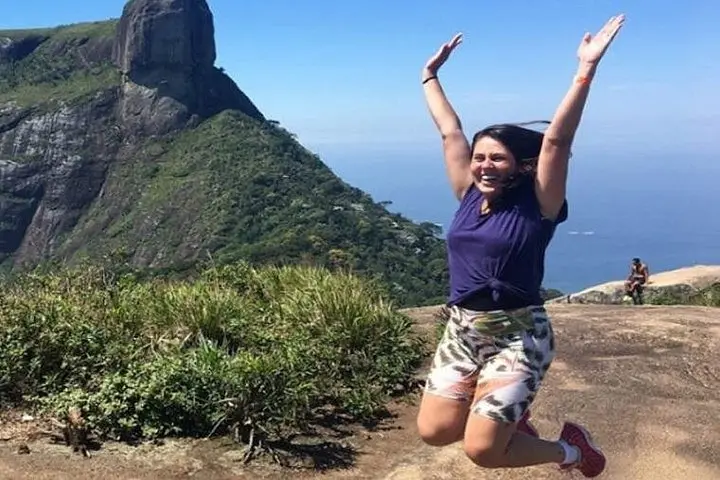
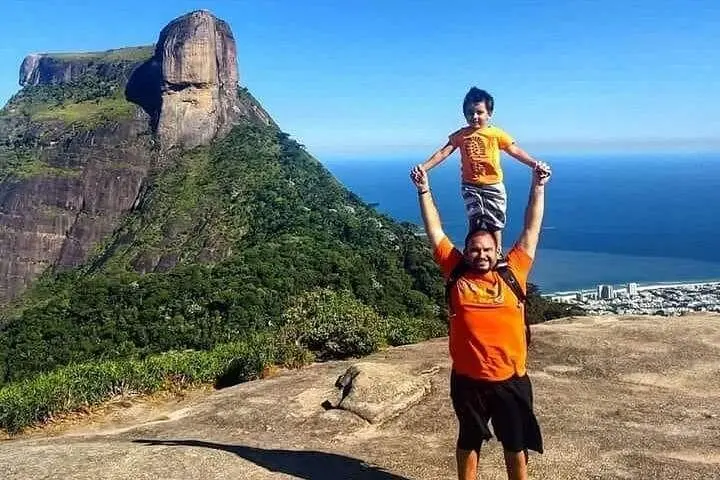
The trail opens with the humid breath of the Atlantic Forest pressing close, and a skyline of rock and ocean rising ahead. Hikers step from shaded singletrack into a wide ridge that climbs toward Pedra Bonita’s broad summit; from that ledge the city unfurls—Christ the Redeemer, Ipanema’s sweep of sand, Lagoa Rodrigo de Freitas, and the face of Pedra da Gávea across the valley.
The trail opens with the humid breath of the Atlantic Forest pressing close, and a skyline of rock and ocean rising ahead. Hikers step from shaded singletrack into a wide ridge that climbs toward Pedra Bonita’s broad summit; from that ledge the city unfurls—Christ the Redeemer, Ipanema’s sweep of sand, Lagoa Rodrigo de Freitas, and the face of Pedra da Gávea across the valley.
Geologically, Pedra Bonita is part of the coastal granite outcrops that punctuate Rio’s Serra do Mar, worn into dramatic cliffs by millions of years of wind and sea. Culturally the area carries Carioca lore—legends around Pedra da Gávea—and the trail threads through forest restored during 19th-century reforestation efforts that created today’s Tijuca National Park.
Guides usually include a stop at Agulhinha da Gávea viewpoint and the free-flight launch ramp, where hang-gliders and paragliders gather like colorful punctuation against the sky. Expect well-marked paths, a few steep switchbacks, rock steps, and exposed viewpoints; the shared group pace keeps things accessible for most visitors.
Practical guidance: start early for cooler temperatures and clear light, bring 1–2 liters of water, and wear grippy shoes—some sections are slick after rain. Photography is rewarding from multiple angles, but respect the launch zone and follow guide instructions around takeoff times. The route suits casual hikers wanting cinematic city-and-coast panoramas with minimal technical challenges and the occasional rush of paragliders cutting the wind overhead.