THE ADVENTURE COLLECTIVE® · Independent discovery and booking for outdoor travel

Explore the Sonoran Desert with a local guide who links geology, Indigenous history, and wildlife on tailored 2–4 hour hikes. Expect saguaros, wash crossings, and practical safety advice for seasonal heat and storms.
Explore the Sonoran Desert with a local guide who links geology, Indigenous history, and wildlife on tailored 2–4 hour hikes. Expect saguaros, wash crossings, and practical safety advice for seasonal heat and storms.
At first light the Sonoran Desert feels alive — the saguaros stand like patient hosts, the air tasting faintly of creosote and distant dust. A guided hike here moves at the desert’s rhythm: deliberate, observant, and generous with viewlines. Participants follow a local guide through washes and ridgelines, where the trail alternates between packed dirt, rocky steps, and wide, sandy stretches.
Verified experiences and guided adventures in the surrounding area.
Operated by Dakini Destinations · Tucson, Arizona
At first light the Sonoran Desert feels alive — the saguaros stand like patient hosts, the air tasting faintly of creosote and distant dust. A guided hike here moves at the desert’s rhythm: deliberate, observant, and generous with viewlines. Participants follow a local guide through washes and ridgelines, where the trail alternates between packed dirt, rocky steps, and wide, sandy stretches.
This landscape sits on 10,000 years of human and geological history. Basin-and-range faulting carved the basins that gather seasonal rains; volcanic outcrops and alluvial fans record a shifting climate. Tohono O'odham and other Indigenous peoples have lived with these plants and animals for millennia, reading the land’s signs and stewarding water and food sources long before tourism arrived.
Culturally the desert rewards quiet attention: javelina snuffle at dawn, roadrunners dart across sunlit flats, and coyotes sing at dusk. Guides interpret plants (saguaro, palo verde, ocotillo) and point out medicinal uses and pollinator relationships.
Practically, hikes range from easy 2-hour strolls to more strenuous 4-hour treks with modest elevation change and uneven footing. Midday summer heat can be extreme; monsoon storms can arrive quickly. Bring at least 1 liter of water per hour, sun protection, sturdy footwear, and layers for morning and evening swings. Expect interpretive stops, short breaks, and opportunities for photography and quiet meditation. Reservations typically include light snacks; operators often tailor routes to fitness and interest. With a local guide, the Sonoran Desert opens into a classroom — raw, bright, and honest about its demands.
Guides tailor routes from easy 2-hour walks to more challenging 4-hour treks; expect uneven footing and moderate elevation changes on advanced routes.
Common sightings include cottontail rabbits, roadrunners, javelina, and occasionally coyotes—wildlife sightings are never guaranteed.
Yes if participants have moderate mobility; inform the operator at booking so they can choose an appropriate trail and pace.
Operators typically cancel or reschedule extreme heat days or monsoon storms; they require 24-hour notice for full refunds per policy.
Dakini Destinations operates guided outdoor trips and adventures with an emphasis on safety, stewardship, and memorable experiences.
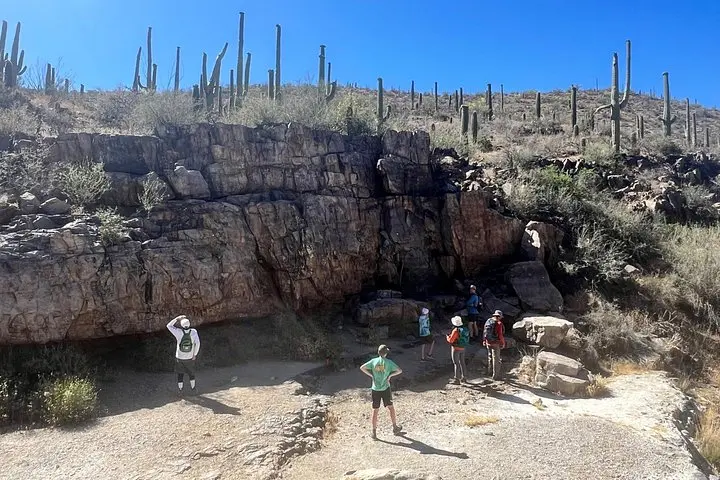
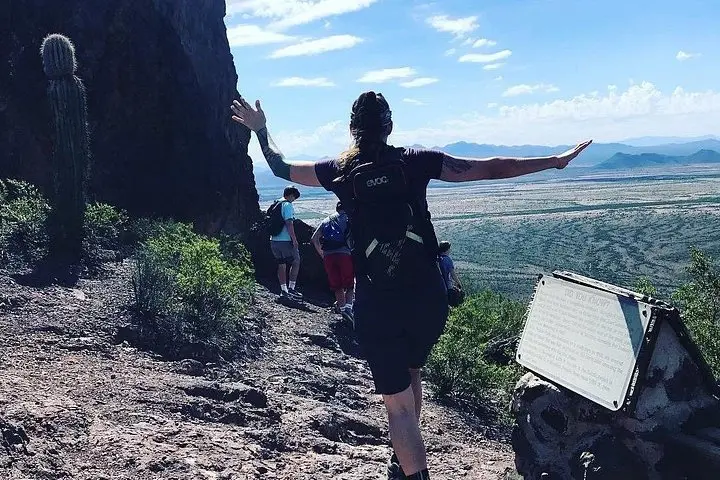
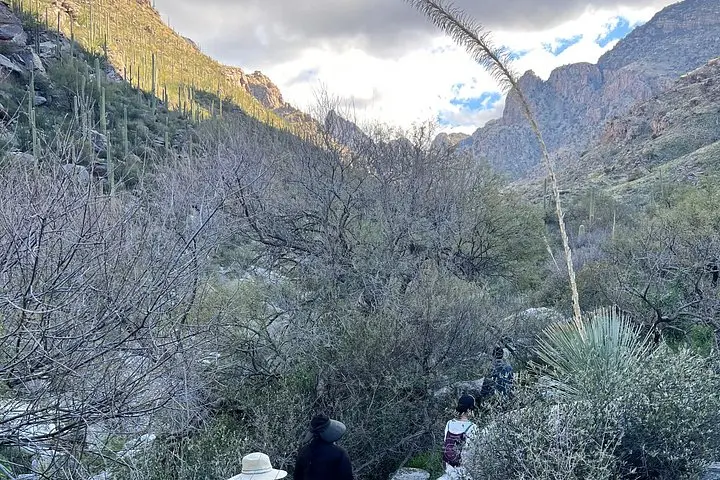
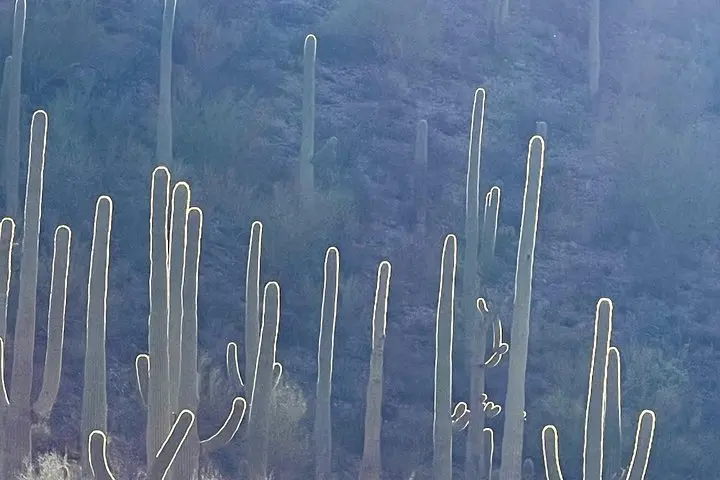
At first light the Sonoran Desert feels alive — the saguaros stand like patient hosts, the air tasting faintly of creosote and distant dust. A guided hike here moves at the desert’s rhythm: deliberate, observant, and generous with viewlines. Participants follow a local guide through washes and ridgelines, where the trail alternates between packed dirt, rocky steps, and wide, sandy stretches.
At first light the Sonoran Desert feels alive — the saguaros stand like patient hosts, the air tasting faintly of creosote and distant dust. A guided hike here moves at the desert’s rhythm: deliberate, observant, and generous with viewlines. Participants follow a local guide through washes and ridgelines, where the trail alternates between packed dirt, rocky steps, and wide, sandy stretches.
This landscape sits on 10,000 years of human and geological history. Basin-and-range faulting carved the basins that gather seasonal rains; volcanic outcrops and alluvial fans record a shifting climate. Tohono O'odham and other Indigenous peoples have lived with these plants and animals for millennia, reading the land’s signs and stewarding water and food sources long before tourism arrived.
Culturally the desert rewards quiet attention: javelina snuffle at dawn, roadrunners dart across sunlit flats, and coyotes sing at dusk. Guides interpret plants (saguaro, palo verde, ocotillo) and point out medicinal uses and pollinator relationships.
Practically, hikes range from easy 2-hour strolls to more strenuous 4-hour treks with modest elevation change and uneven footing. Midday summer heat can be extreme; monsoon storms can arrive quickly. Bring at least 1 liter of water per hour, sun protection, sturdy footwear, and layers for morning and evening swings. Expect interpretive stops, short breaks, and opportunities for photography and quiet meditation. Reservations typically include light snacks; operators often tailor routes to fitness and interest. With a local guide, the Sonoran Desert opens into a classroom — raw, bright, and honest about its demands.