THE ADVENTURE COLLECTIVE® · Independent discovery and booking for outdoor travel

Walk Durham’s brick streets with a museum-trained historian to hear the city’s tobacco-era stories and see how factories became the core of today’s creative and tech economy. This accessible one-hour route blends architecture, labor history, and local tips.
Walk Durham’s brick streets with a museum-trained historian to hear the city’s tobacco-era stories and see how factories became the core of today’s creative and tech economy. This accessible one-hour route blends architecture, labor history, and local tips.
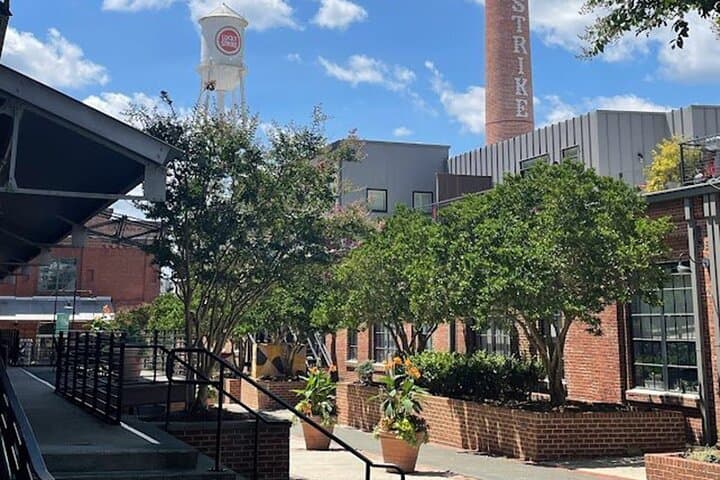
You meet under the Lucky Strike water tower as traffic hums and brick façades cool in the morning shade. The guide, a museum-trained historian, leads a compact group down former factory streets where conveyor shafts and smokestacks once pushed tobacco leaves through the city’s veins.
Verified experiences and guided adventures in the surrounding area.
Operated by Triangle Walking Tours · Durham, North Carolina
You meet under the Lucky Strike water tower as traffic hums and brick façades cool in the morning shade. The guide, a museum-trained historian, leads a compact group down former factory streets where conveyor shafts and smokestacks once pushed tobacco leaves through the city’s veins.
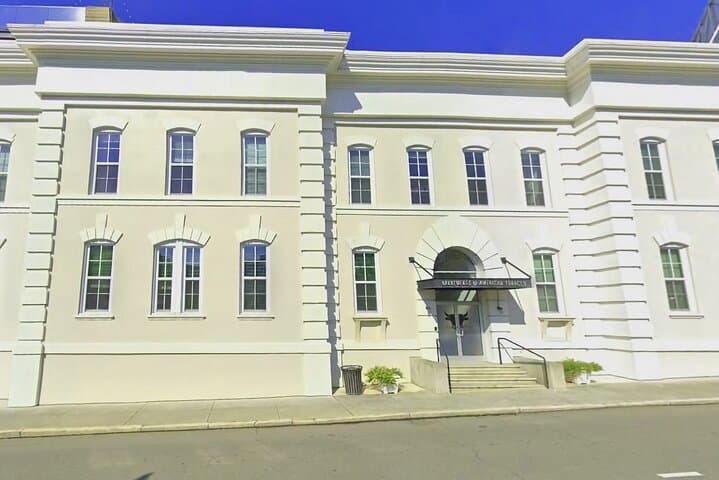
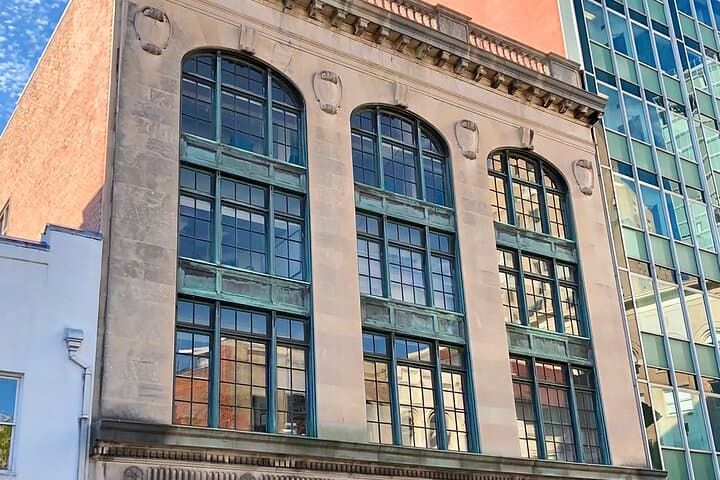
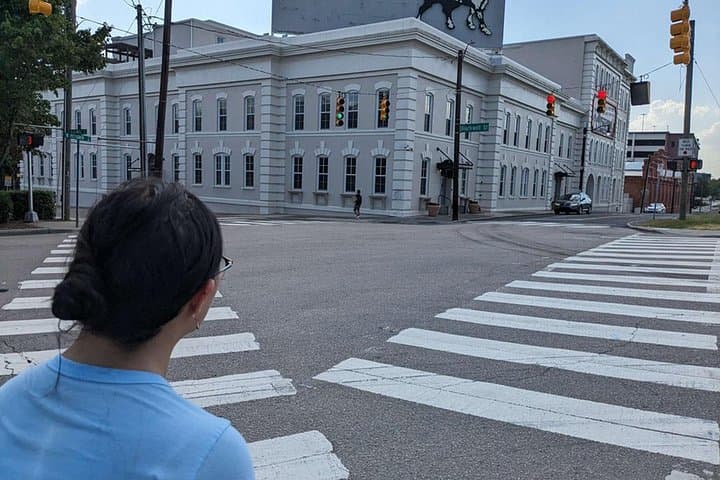
Durham’s downtown is built on Piedmont red clay and the fortunes of tobacco. Along the route you’ll stand before the Duke Tobacco Factory, the American Tobacco Co. complex and the Snow Building, each structure a chapter in the city’s industrial rise. The guide weaves social history—labor, Black entrepreneurship, and the city’s municipal pivot into education and research—into architectural detail: mill windows, steel trusses, and repurposed brickwork that now house restaurants and offices.
Geology here is subtle: gentle rises and a Durham watershed that channels runoff toward the Eno and the Cape Fear. Cultural notes pop up between sites—Brightleaf Square’s adaptive reuse, the Hayti neighborhood’s resilience, and how the Research Triangle reshaped local commerce.
Practical guidance: the loop is an accessible one-hour walk on paved surfaces with several photo stops and benches. Wear supportive street shoes, bring a water bottle and light layers for changing weather, and plan for a morning or late-afternoon slot to avoid peak sun and busy sidewalks. Ask the guide about nearby coffeehouses or a post-tour visit to the American Tobacco Campus riverwalk; they often point you to a quieter alley or plaque that most visitors miss.
Yes — the tour follows paved surfaces on the American Tobacco Campus and downtown; most areas are wheelchair accessible but contact the operator for specific accommodation needs.
Tours offer instant confirmation but popular weekend and weekend-adjacent slots can fill; book a few days ahead when possible.
The standard tour is delivered in English; inquire with the operator about alternative-language options or private bookings.
Full refunds are available if you cancel at least 24 hours before the scheduled departure time.
Triangle Walking Tours operates guided outdoor trips and adventures with an emphasis on safety, stewardship, and memorable experiences.
You meet under the Lucky Strike water tower as traffic hums and brick façades cool in the morning shade. The guide, a museum-trained historian, leads a compact group down former factory streets where conveyor shafts and smokestacks once pushed tobacco leaves through the city’s veins.
You meet under the Lucky Strike water tower as traffic hums and brick façades cool in the morning shade. The guide, a museum-trained historian, leads a compact group down former factory streets where conveyor shafts and smokestacks once pushed tobacco leaves through the city’s veins.
Durham’s downtown is built on Piedmont red clay and the fortunes of tobacco. Along the route you’ll stand before the Duke Tobacco Factory, the American Tobacco Co. complex and the Snow Building, each structure a chapter in the city’s industrial rise. The guide weaves social history—labor, Black entrepreneurship, and the city’s municipal pivot into education and research—into architectural detail: mill windows, steel trusses, and repurposed brickwork that now house restaurants and offices.
Geology here is subtle: gentle rises and a Durham watershed that channels runoff toward the Eno and the Cape Fear. Cultural notes pop up between sites—Brightleaf Square’s adaptive reuse, the Hayti neighborhood’s resilience, and how the Research Triangle reshaped local commerce.
Practical guidance: the loop is an accessible one-hour walk on paved surfaces with several photo stops and benches. Wear supportive street shoes, bring a water bottle and light layers for changing weather, and plan for a morning or late-afternoon slot to avoid peak sun and busy sidewalks. Ask the guide about nearby coffeehouses or a post-tour visit to the American Tobacco Campus riverwalk; they often point you to a quieter alley or plaque that most visitors miss.