THE ADVENTURE COLLECTIVE® · Independent discovery and booking for outdoor travel

Paddle the calm, brackish waters of Mitan Pond with a guide to explore mangrove stands, swamp forest, and a vast palm grove on Grande-Anse Beach. This 2.5-hour small-group tour is accessible, educational, and ideal for wildlife viewing and sheltered exploration.
Paddle the calm, brackish waters of Mitan Pond with a guide to explore mangrove stands, swamp forest, and a vast palm grove on Grande-Anse Beach. This 2.5-hour small-group tour is accessible, educational, and ideal for wildlife viewing and sheltered exploration.
A low sun cuts across the glassy skin of Mitan Pond as paddles part the water in steady, unhurried beats. The guide sets the pace; small groups drift between black mangrove roots and open water where brackish tides meet a broad palm grove backing Grande-Anse Beach. Birds call from the canopy, and crabs skitter along exposed roots, making the pond feel alive and observant.
Verified experiences and guided adventures in the surrounding area.
Operated by Mkg Centre Nautique · Deshaies, Guadeloupe
A low sun cuts across the glassy skin of Mitan Pond as paddles part the water in steady, unhurried beats. The guide sets the pace; small groups drift between black mangrove roots and open water where brackish tides meet a broad palm grove backing Grande-Anse Beach. Birds call from the canopy, and crabs skitter along exposed roots, making the pond feel alive and observant.
Geology here is coastal and immediate: a shallow lagoon separated from the surf by a sand bar, fed with freshwater runoff and tidal salt. The mangrove acts as coastline armor and nursery, while the surrounding wetland supports a mix of shorebirds and fish species long important to local subsistence and Deshaies’ coastal culture. A lecturer-guide will point out plant adaptations, sediment patterns, and the human relationship to this protected edge.
Expect a 2.5-hour, small-group paddle in stable sit-on-top kayaks—quiet, low-current conditions make this an accessible outing for most people who can swim. The provider supplies kayaks, paddles, safety vests, a waterproof container, and binoculars. Plan for sun and heat: mornings are cooler and better for bird activity; afternoons bring thermals and more glare. Bring water, reef-safe sunscreen, a hat, water shoes, and a light waterproof layer for spray. Follow the guide’s briefings on wildlife distance, root hazards, and proper reboarding. The experience is relaxed but educational—ideal for travelers who want close-up access to a coastal ecosystem without open-ocean exposure, and for photographers seeking reflective water and dense mangrove textures.
No—this is an introductory, guided tour designed for beginners; guides demonstrate paddling technique and safety before launch.
Children over 5 who can swim are allowed; infant seats are available but children under 5 are prohibited.
Tours are canceled in adverse weather for safety; cancel at least 24 hours prior for a full refund if you need to change plans.
Yes—expect shorebirds, herons, crabs, and fish; sightings depend on season and time of day, with mornings generally offering more activity.
Mkg Centre Nautique operates guided outdoor trips and adventures with an emphasis on safety, stewardship, and memorable experiences.
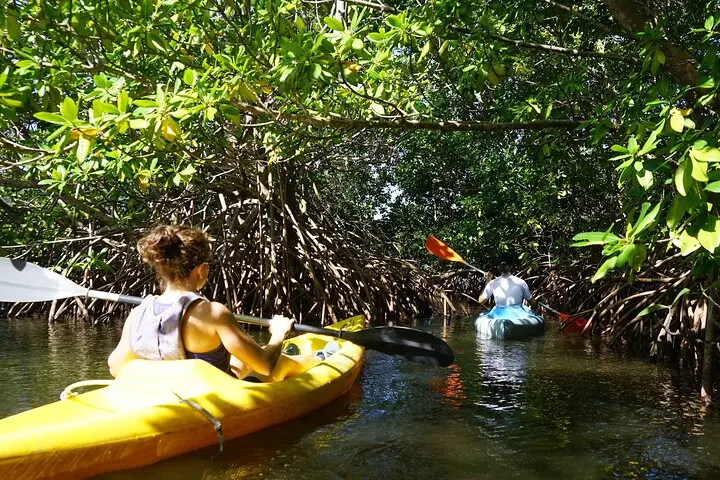
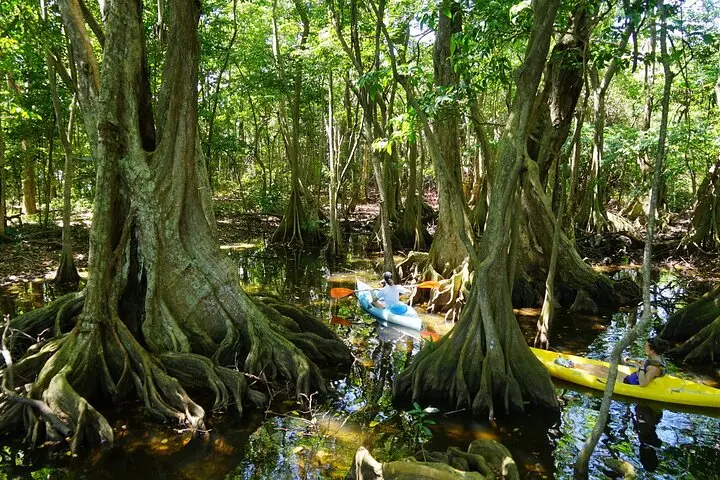
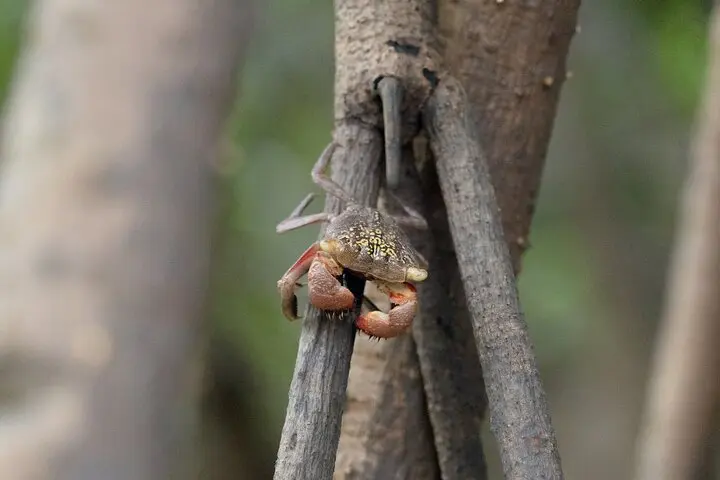
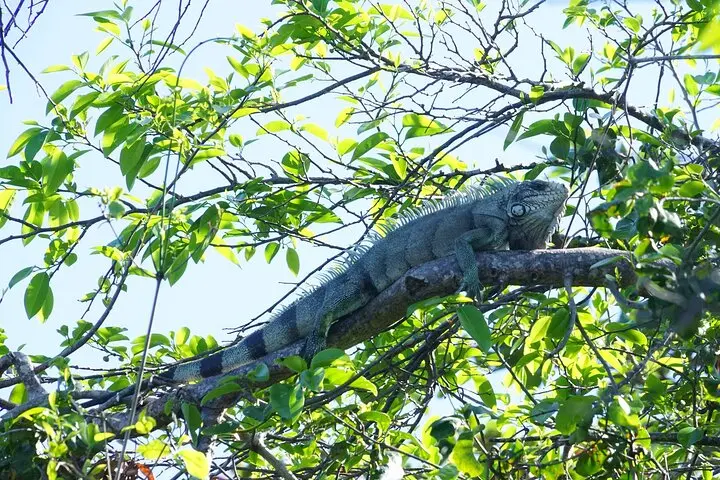
A low sun cuts across the glassy skin of Mitan Pond as paddles part the water in steady, unhurried beats. The guide sets the pace; small groups drift between black mangrove roots and open water where brackish tides meet a broad palm grove backing Grande-Anse Beach. Birds call from the canopy, and crabs skitter along exposed roots, making the pond feel alive and observant.
A low sun cuts across the glassy skin of Mitan Pond as paddles part the water in steady, unhurried beats. The guide sets the pace; small groups drift between black mangrove roots and open water where brackish tides meet a broad palm grove backing Grande-Anse Beach. Birds call from the canopy, and crabs skitter along exposed roots, making the pond feel alive and observant.
Geology here is coastal and immediate: a shallow lagoon separated from the surf by a sand bar, fed with freshwater runoff and tidal salt. The mangrove acts as coastline armor and nursery, while the surrounding wetland supports a mix of shorebirds and fish species long important to local subsistence and Deshaies’ coastal culture. A lecturer-guide will point out plant adaptations, sediment patterns, and the human relationship to this protected edge.
Expect a 2.5-hour, small-group paddle in stable sit-on-top kayaks—quiet, low-current conditions make this an accessible outing for most people who can swim. The provider supplies kayaks, paddles, safety vests, a waterproof container, and binoculars. Plan for sun and heat: mornings are cooler and better for bird activity; afternoons bring thermals and more glare. Bring water, reef-safe sunscreen, a hat, water shoes, and a light waterproof layer for spray. Follow the guide’s briefings on wildlife distance, root hazards, and proper reboarding. The experience is relaxed but educational—ideal for travelers who want close-up access to a coastal ecosystem without open-ocean exposure, and for photographers seeking reflective water and dense mangrove textures.