THE ADVENTURE COLLECTIVE® · Independent discovery and booking for outdoor travel

Explore Sardinia Bay with a knowledgeable guide on a 2‑hour marine walk that decodes dunes, wave-cut platforms, and rock-pool life. Perfect for wildlife observers and anyone curious about coastal geology and conservation.
Explore Sardinia Bay with a knowledgeable guide on a 2‑hour marine walk that decodes dunes, wave-cut platforms, and rock-pool life. Perfect for wildlife observers and anyone curious about coastal geology and conservation.
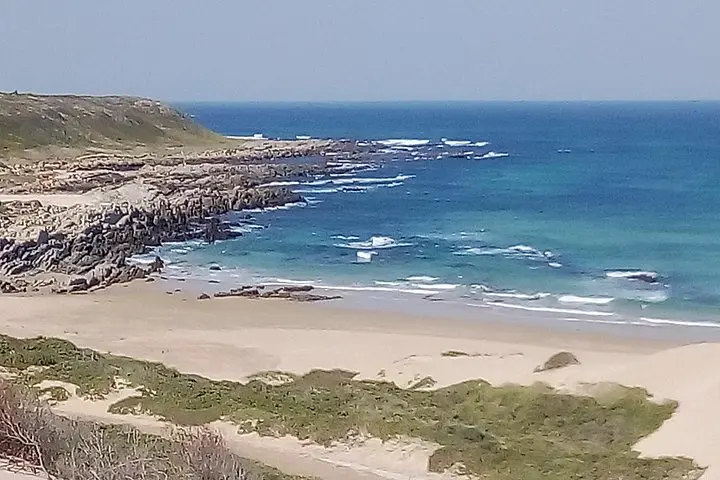
A low-slung wind comes off the Indian Ocean and the dunegrass leans into it as the guide sets the pace along Sardinia Bay’s shoreline. Salt crust beads on boots, seabirds quarter the sky, and the surf pulls at a line of exposed rocks where rock pools glint like small, tidal mirrors. The walk moves from the dune crest down the east-side stairs to a corner beach and a wave-cut platform that still bears the grooves of higher seas.
Verified experiences and guided adventures in the surrounding area.
Operated by Guided Marine Tours - Port Elizabeth, South Africa · Port Elizabeth, Eastern Cape
A low-slung wind comes off the Indian Ocean and the dunegrass leans into it as the guide sets the pace along Sardinia Bay’s shoreline. Salt crust beads on boots, seabirds quarter the sky, and the surf pulls at a line of exposed rocks where rock pools glint like small, tidal mirrors. The walk moves from the dune crest down the east-side stairs to a corner beach and a wave-cut platform that still bears the grooves of higher seas.
Sardinia Bay sits on the eastern edge of Gqeberha (Port Elizabeth) and is part of a declared Marine Protected Area. The coastline here records sea-level changes in exposed rock shelves and fossilized dunes; granite and sandstone meet in places to shape small cliffs and platforms. Culturally, the shore has long been used by local communities for subsistence and observation of marine life, and today signage and guides emphasize protection and traditional knowledge.
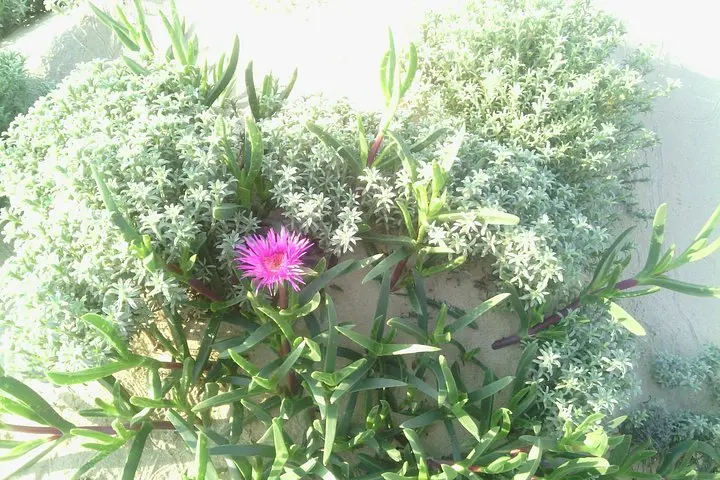
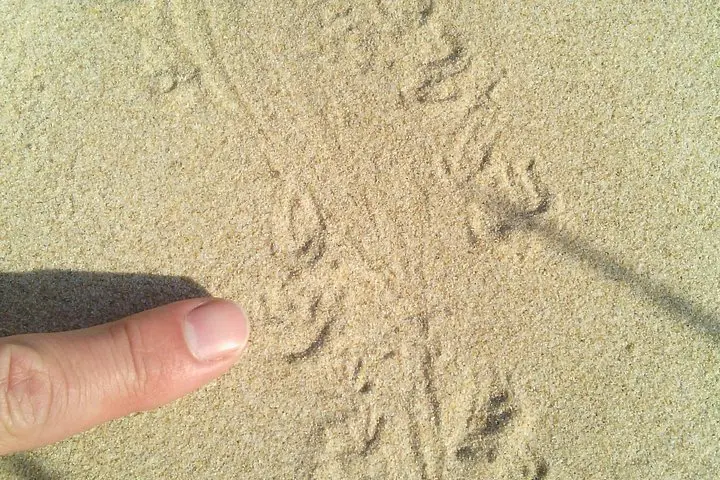
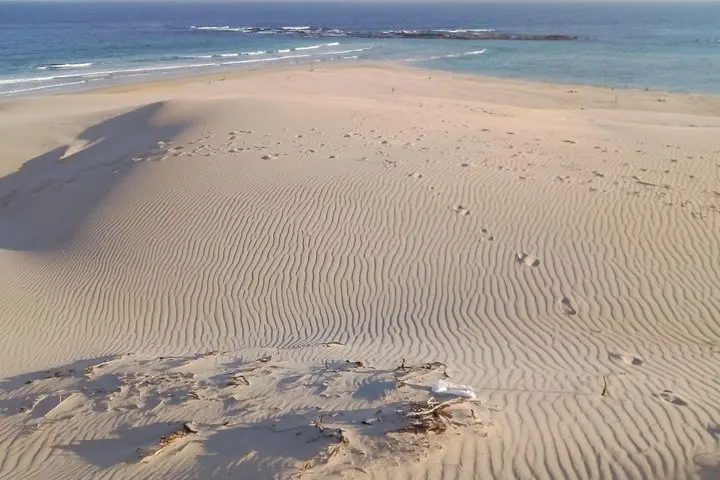
Expect close study of mussel beds, crab tracks in the sand, and explanations of sand-ripple formation tied to tides and lunar cycles. Guides point out how resilient coastal plants survive in poor soils and why dune systems move seasonally. Regular sightings include dolphins, seals and a variety of sea birds; whales pass offshore in season.
Practical tips: plan around low tide for the best rock-pool viewing, wear sturdy closed-toe shoes with grip, bring sun protection and water (filtered water provided on some tours), and be prepared for wind. The MPA rules are strict—no collecting or disturbing organisms—so keep cameras ready and hands off. The route is gentle but uneven; hikers with limited mobility should inquire about stairs and alternative viewpoints.
The experience runs about 2–2.5 hours and is rated easy—mostly flat beach and short stair descents, with some uneven rock to navigate.
Yes; regular sightings of dolphins and seals are common, and whales may be seen offshore seasonally, though sightings cannot be guaranteed.
Yes—no removal of organisms or shells, no fires, no loud music, and you should follow the guide’s instructions to avoid disturbing habitats.
Yes—this is a family-friendly walk appropriate for children and non-swimmers, though care is needed on wet rocks and near tidal edges.
Guided Marine Tours - Port Elizabeth, South Africa operates guided outdoor trips and adventures with an emphasis on safety, stewardship, and memorable experiences.
A low-slung wind comes off the Indian Ocean and the dunegrass leans into it as the guide sets the pace along Sardinia Bay’s shoreline. Salt crust beads on boots, seabirds quarter the sky, and the surf pulls at a line of exposed rocks where rock pools glint like small, tidal mirrors. The walk moves from the dune crest down the east-side stairs to a corner beach and a wave-cut platform that still bears the grooves of higher seas.
A low-slung wind comes off the Indian Ocean and the dunegrass leans into it as the guide sets the pace along Sardinia Bay’s shoreline. Salt crust beads on boots, seabirds quarter the sky, and the surf pulls at a line of exposed rocks where rock pools glint like small, tidal mirrors. The walk moves from the dune crest down the east-side stairs to a corner beach and a wave-cut platform that still bears the grooves of higher seas.
Sardinia Bay sits on the eastern edge of Gqeberha (Port Elizabeth) and is part of a declared Marine Protected Area. The coastline here records sea-level changes in exposed rock shelves and fossilized dunes; granite and sandstone meet in places to shape small cliffs and platforms. Culturally, the shore has long been used by local communities for subsistence and observation of marine life, and today signage and guides emphasize protection and traditional knowledge.
Expect close study of mussel beds, crab tracks in the sand, and explanations of sand-ripple formation tied to tides and lunar cycles. Guides point out how resilient coastal plants survive in poor soils and why dune systems move seasonally. Regular sightings include dolphins, seals and a variety of sea birds; whales pass offshore in season.
Practical tips: plan around low tide for the best rock-pool viewing, wear sturdy closed-toe shoes with grip, bring sun protection and water (filtered water provided on some tours), and be prepared for wind. The MPA rules are strict—no collecting or disturbing organisms—so keep cameras ready and hands off. The route is gentle but uneven; hikers with limited mobility should inquire about stairs and alternative viewpoints.