THE ADVENTURE COLLECTIVE® · Independent discovery and booking for outdoor travel

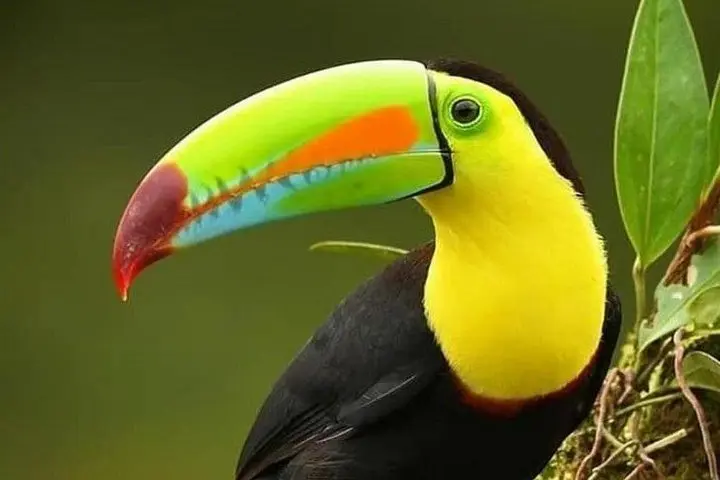
Spend 2½ hours on a guided nature walk through Curicancha Reserve in Monteverde, where towering ficus and cloud-forest birds like quetzals and toucans dominate the scene. This compact tour offers close wildlife viewing and guided interpretation ideal for birders and nature lovers.
Spend 2½ hours on a guided nature walk through Curicancha Reserve in Monteverde, where towering ficus and cloud-forest birds like quetzals and toucans dominate the scene. This compact tour offers close wildlife viewing and guided interpretation ideal for birders and nature lovers.
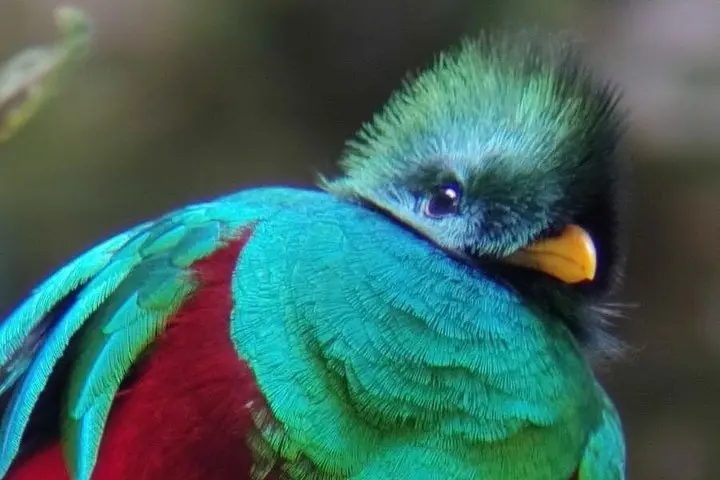
Mist clings to the trail as you step under a canopy where ficus roots tumble like stacked staircases and the forest seems to breathe around you. On a guided 2½-hour walk through Curicancha Reserve, bird calls thread through moss and leaf litter — toucans rattling, a collared trogon issuing its soft notes, and the occasional, electric glimpse of a resplendent quetzal slipping between trunks.
Verified experiences and guided adventures in the surrounding area.
Operated by Travel to Monteverde · Santa Elena, Puntarenas
Mist clings to the trail as you step under a canopy where ficus roots tumble like stacked staircases and the forest seems to breathe around you. On a guided 2½-hour walk through Curicancha Reserve, bird calls thread through moss and leaf litter — toucans rattling, a collared trogon issuing its soft notes, and the occasional, electric glimpse of a resplendent quetzal slipping between trunks.
The reserve sits on the western edge of the Monteverde cloud forest, a landscape shaped by volcanic soils and constant moisture that builds tall, buttressed trees and dense epiphyte gardens. The area’s cultural history is recent but deep: mid-20th-century settlement and later conservation efforts turned these fragile cloud forests into some of Costa Rica’s most intensively studied wildlife corridors. Local guides point out ecological connections — how giant ficus concentrate nutrients for animals, and how hummingbirds and trogons seed the understory.
Expect close wildlife viewing rather than long climbs; trails are compact but uneven, and the guide will pace stops for birding and for exploring the hollow chambers of enormous ficus. Practical notes: mornings are best for birds, pack a lightweight rain shell and quiet footwear, and bring binoculars or use the optical equipment supplied. The reserve emphasizes low-impact visitation — stay on paths, avoid feeding animals, and follow your guide’s lead.
For photographers, light shifts quickly under cloud, so work fast and steady. For everyone, this walk balances easy access with rich, wild detail: a short, focused immersion into Monteverde’s living forest.
Admission is typically separate from the tour price, so check booking details; guides will note where fees are paid on-site.
The route is short and described as wheelchair accessible in some areas, but surfaces can be uneven—notify the operator of mobility needs when booking.
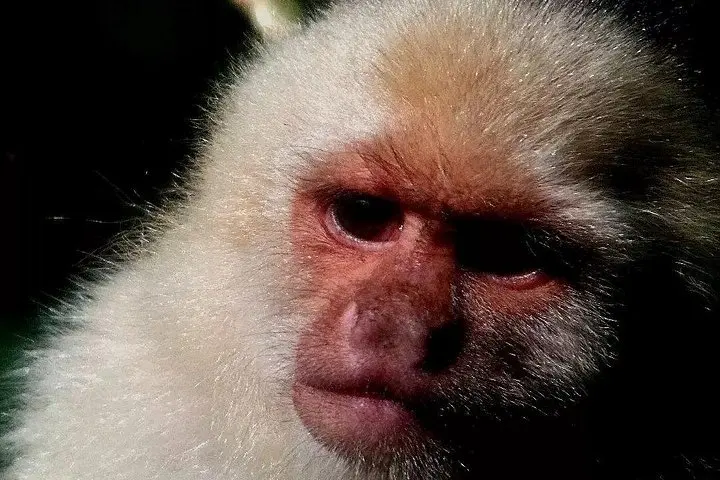
Common sightings include toucans, agoutis, white-faced capuchins, collared trogons and, with luck, the resplendent quetzal; sightings depend on season and time of day.
Yes—this is a guided tour and the description notes optical equipment is available, though you may prefer your own binoculars or camera.
Travel to Monteverde operates guided outdoor trips and adventures with an emphasis on safety, stewardship, and memorable experiences.
Mist clings to the trail as you step under a canopy where ficus roots tumble like stacked staircases and the forest seems to breathe around you. On a guided 2½-hour walk through Curicancha Reserve, bird calls thread through moss and leaf litter — toucans rattling, a collared trogon issuing its soft notes, and the occasional, electric glimpse of a resplendent quetzal slipping between trunks.
Mist clings to the trail as you step under a canopy where ficus roots tumble like stacked staircases and the forest seems to breathe around you. On a guided 2½-hour walk through Curicancha Reserve, bird calls thread through moss and leaf litter — toucans rattling, a collared trogon issuing its soft notes, and the occasional, electric glimpse of a resplendent quetzal slipping between trunks.
The reserve sits on the western edge of the Monteverde cloud forest, a landscape shaped by volcanic soils and constant moisture that builds tall, buttressed trees and dense epiphyte gardens. The area’s cultural history is recent but deep: mid-20th-century settlement and later conservation efforts turned these fragile cloud forests into some of Costa Rica’s most intensively studied wildlife corridors. Local guides point out ecological connections — how giant ficus concentrate nutrients for animals, and how hummingbirds and trogons seed the understory.
Expect close wildlife viewing rather than long climbs; trails are compact but uneven, and the guide will pace stops for birding and for exploring the hollow chambers of enormous ficus. Practical notes: mornings are best for birds, pack a lightweight rain shell and quiet footwear, and bring binoculars or use the optical equipment supplied. The reserve emphasizes low-impact visitation — stay on paths, avoid feeding animals, and follow your guide’s lead.
For photographers, light shifts quickly under cloud, so work fast and steady. For everyone, this walk balances easy access with rich, wild detail: a short, focused immersion into Monteverde’s living forest.