
Guided Nature Walks in Blean Woods: Ancient Woodland Tours Near Canterbury
Slow, interpretive walks through semi-ancient Blean Woods led by an experienced naturalist. Small groups explore historic orchards, an Iron Age hillfort, and rich seasonal wildlife with hands-on identification and a tea break in the trees.
An Adventure In Canterbury.
Slow, interpretive walks through semi-ancient Blean Woods led by an experienced naturalist. Small groups explore historic orchards, an Iron Age hillfort, and rich seasonal wildlife with hands-on identification and a tea break in the trees.
Read the full experience
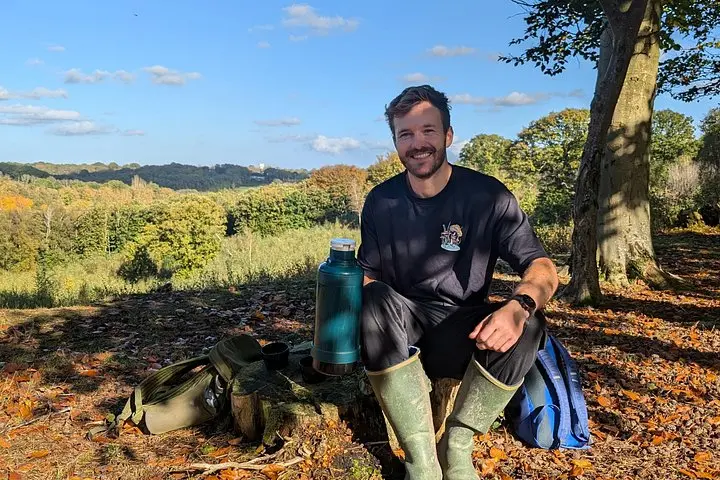
Damp leaf litter whispers underfoot and sunlight threads through high hornbeam as you step off the lane into Blean Woods. The air here is green and alive; birds call from the canopy, fungi push through the duff, and the path curves toward a low, grassy hill where a tea stop waits with views back over the valley.
Damp leaf litter whispers underfoot and sunlight threads through high hornbeam as you step off the lane into Blean Woods. The air here is green and alive; birds call from the canopy, fungi push through the duff, and the path curves toward a low, grassy hill where a tea stop waits with views back over the valley.
This is semi-ancient woodland—one of southern England’s last large tracts of continuous native trees. Geologically the site sits on chalky soils that support diverse ground flora; culturally the woods bear traces of medieval coppicing and a nearby Iron Age hillfort that hints at past land use. Local guides combine natural-history ID with stories of how orchards and hillforts shaped the human landscape.
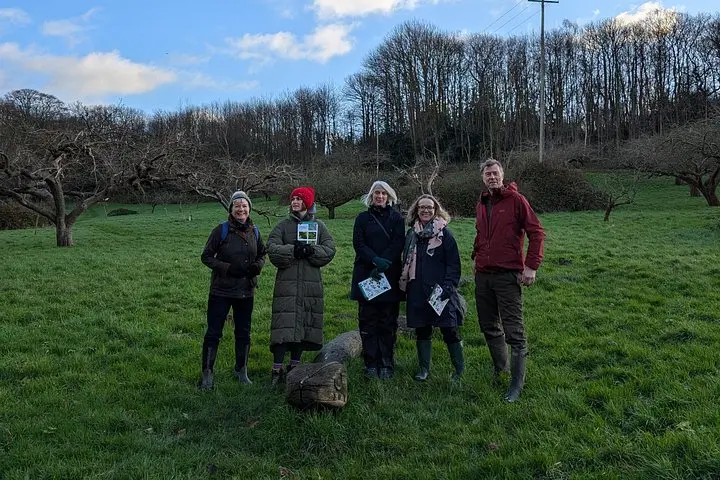
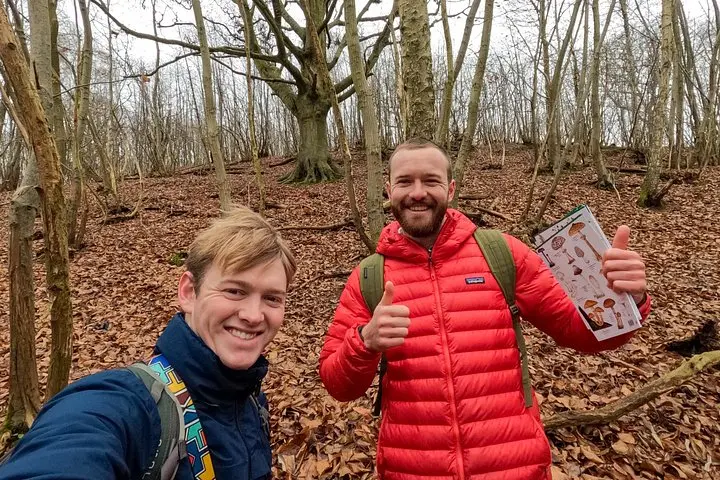
Expect a hands-on, small-group walk that pauses often for plant and fungi identification, birdwatching, and an interpretive break at No Man’s Orchard or the hillfort. The route is a mix of firm tracks and softer woodland trails, with modest climbs and roots to watch for.
Practical guidance: wear waterproof boots with good tread, bring a rain layer and a small notebook for observations, and plan for 2 hours on uneven ground. Hydrate before you arrive; the guide provides tea and coffee but bring a filled bottle for the walk. If you want binoculars or a field guide, bring them — sightings are better from quiet, slow walking. Book ahead in spring and autumn when wildflower displays and fungi are at their best.
Frequently asked questions
Service animals are permitted; for non-service dogs check with the operator beforehand as this tour keeps group sizes small and routes cross sensitive habitats.
The walk is rated moderate—expect uneven ground, short climbs, and about two hours of walking at a gentle but steady pace.
The tour includes a qualified nature guide, tea and coffee at the break, and access to identification demonstrations; check the provider for any additional equipment details.
Full refunds are available if you cancel at least 24 hours before departure; the operator may cancel in poor weather with notice.
About This Experience
Blean Nature Walks operates guided outdoor trips and adventures with an emphasis on safety, stewardship, and memorable experiences.
Adventure tips
Recommended gear
- Waterproof hiking boots: Keep feet dry and supported on muddy, rooty woodland tracks.
- Light waterproof jacket: Spring showers are common; a breathable rain shell keeps you comfortable.
- Binoculars: Helps spot birds and distant mammals in the canopy and hedgerows.
- Notebook & pen/field guide: Useful for jotting plant IDs and notes the guide shares during the walk.
Photos of the experience

Related adventures & guides
Read the full experience
Damp leaf litter whispers underfoot and sunlight threads through high hornbeam as you step off the lane into Blean Woods. The air here is green and alive; birds call from the canopy, fungi push through the duff, and the path curves toward a low, grassy hill where a tea stop waits with views back over the valley.
Damp leaf litter whispers underfoot and sunlight threads through high hornbeam as you step off the lane into Blean Woods. The air here is green and alive; birds call from the canopy, fungi push through the duff, and the path curves toward a low, grassy hill where a tea stop waits with views back over the valley.
This is semi-ancient woodland—one of southern England’s last large tracts of continuous native trees. Geologically the site sits on chalky soils that support diverse ground flora; culturally the woods bear traces of medieval coppicing and a nearby Iron Age hillfort that hints at past land use. Local guides combine natural-history ID with stories of how orchards and hillforts shaped the human landscape.
Expect a hands-on, small-group walk that pauses often for plant and fungi identification, birdwatching, and an interpretive break at No Man’s Orchard or the hillfort. The route is a mix of firm tracks and softer woodland trails, with modest climbs and roots to watch for.
Practical guidance: wear waterproof boots with good tread, bring a rain layer and a small notebook for observations, and plan for 2 hours on uneven ground. Hydrate before you arrive; the guide provides tea and coffee but bring a filled bottle for the walk. If you want binoculars or a field guide, bring them — sightings are better from quiet, slow walking. Book ahead in spring and autumn when wildflower displays and fungi are at their best.
Make a day of it nearby.
Verified experiences and guided adventures in the surrounding area.