THE ADVENTURE COLLECTIVE® · Independent discovery and booking for outdoor travel

Night transforms Monteverde into an active, intimate ecosystem—frogs call from leaves, sloths cling motionless, and guides point out creatures that vanish by daylight. This 2‑hour guided walk at El Refugio de Vida Silvestre is designed for curious travelers who want a close, low‑impact encounter with Costa Rica’s nocturnal life.
Night transforms Monteverde into an active, intimate ecosystem—frogs call from leaves, sloths cling motionless, and guides point out creatures that vanish by daylight. This 2‑hour guided walk at El Refugio de Vida Silvestre is designed for curious travelers who want a close, low‑impact encounter with Costa Rica’s nocturnal life.
You step off the dim service road into a cool, breathing darkness; the forest answers with a chorus of insect clicks and distant frog calls. Under a guide’s cone of light the trail narrows between moss-draped trunks and the wet earth gives underfoot, and suddenly the nocturnal world rearranges what you thought you knew about Monteverde.
Verified experiences and guided adventures in the surrounding area.
Operated by Monteverde Expeditions · Monteverde, Puntarenas
You step off the dim service road into a cool, breathing darkness; the forest answers with a chorus of insect clicks and distant frog calls. Under a guide’s cone of light the trail narrows between moss-draped trunks and the wet earth gives underfoot, and suddenly the nocturnal world rearranges what you thought you knew about Monteverde.
The walk takes place on the Pacific slope of the Tilarán Range inside the 55-acre Monteverde Wildlife Refuge, a premontane forest shaped by volcanic soils and persistent cloud moisture. The area’s modern identity grew from 20th‑century conservation efforts—local settlers and researchers protected fragments of forest that now host a high density of endemic amphibians and mammals. Culturally, night walks in Monteverde are a common way for communities and guides to share natural history and sustain park fees that fund protection.
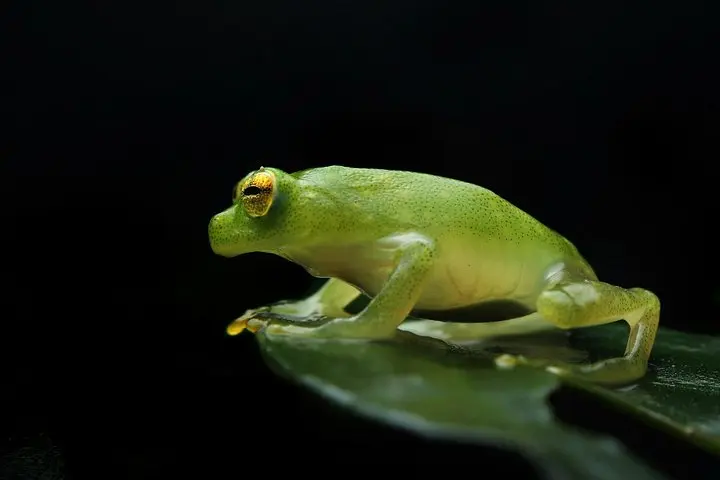
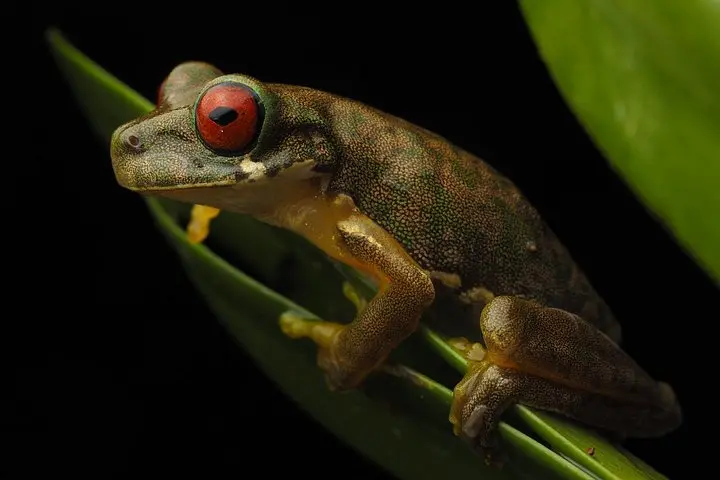
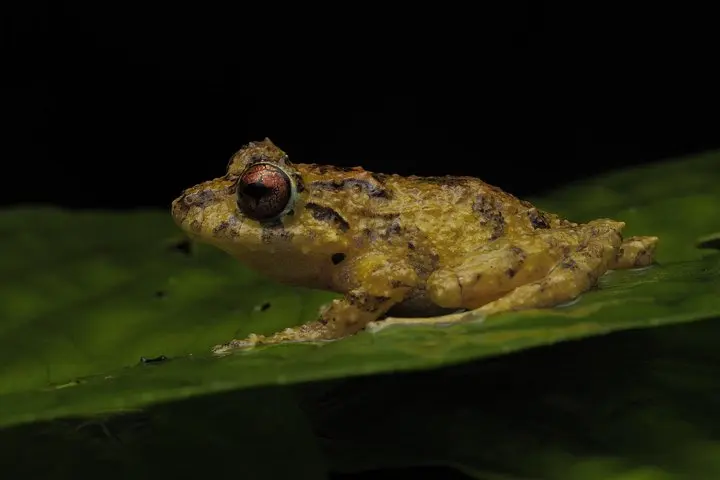
Expect to see slow-moving three‑toed sloths, glass frogs on leaf undersides, and sleeping birds in the canopy; snakes and beetles are active along the understory. Guides point out tracks, call patterns, and microhabitats you’d miss alone.
Practical side: tours are ~2 hours, small-group, and physically easy but uneven and muddy. Bring a quiet, red‑filtered light, closed‑toe shoes with traction, and a lightweight rain jacket—rain is common year-round. Move slowly, keep noise and sudden flashes to a minimum, and follow your naturalist’s instructions: the experience depends on patience and respect for sensitive species. Entrance fees may be charged on site; confirm pickup, exact meeting point, and accessibility needs when you book.
The tour is approximately 2 hours and rated easy—participants should be able to walk slowly on uneven, sometimes muddy trails for that duration.
Bright flashes and white lights are discouraged because they stress wildlife; use red‑filtered lighting and follow your guide’s directions for photography.
Yes—most visits require a separate refuge entrance fee (not always included) that is collected on site; the amount can change so confirm when booking.
Children are typically welcome but must be supervised; tours are not recommended for pregnant travelers or people with serious spinal or cardiac conditions—check restrictions when booking.
Monteverde Expeditions operates guided outdoor trips and adventures with an emphasis on safety, stewardship, and memorable experiences.
You step off the dim service road into a cool, breathing darkness; the forest answers with a chorus of insect clicks and distant frog calls. Under a guide’s cone of light the trail narrows between moss-draped trunks and the wet earth gives underfoot, and suddenly the nocturnal world rearranges what you thought you knew about Monteverde.
You step off the dim service road into a cool, breathing darkness; the forest answers with a chorus of insect clicks and distant frog calls. Under a guide’s cone of light the trail narrows between moss-draped trunks and the wet earth gives underfoot, and suddenly the nocturnal world rearranges what you thought you knew about Monteverde.
The walk takes place on the Pacific slope of the Tilarán Range inside the 55-acre Monteverde Wildlife Refuge, a premontane forest shaped by volcanic soils and persistent cloud moisture. The area’s modern identity grew from 20th‑century conservation efforts—local settlers and researchers protected fragments of forest that now host a high density of endemic amphibians and mammals. Culturally, night walks in Monteverde are a common way for communities and guides to share natural history and sustain park fees that fund protection.
Expect to see slow-moving three‑toed sloths, glass frogs on leaf undersides, and sleeping birds in the canopy; snakes and beetles are active along the understory. Guides point out tracks, call patterns, and microhabitats you’d miss alone.
Practical side: tours are ~2 hours, small-group, and physically easy but uneven and muddy. Bring a quiet, red‑filtered light, closed‑toe shoes with traction, and a lightweight rain jacket—rain is common year-round. Move slowly, keep noise and sudden flashes to a minimum, and follow your naturalist’s instructions: the experience depends on patience and respect for sensitive species. Entrance fees may be charged on site; confirm pickup, exact meeting point, and accessibility needs when you book.