THE ADVENTURE COLLECTIVE® · Independent discovery and booking for outdoor travel

Explore Praia’s Plateau and the nearby UNESCO site of Cidade Velha on a compact 3–4 hour guided tour. See colonial churches, lively markets, and 15th‑century fortifications while learning the island’s layered history and cultural rhythms.
Explore Praia’s Plateau and the nearby UNESCO site of Cidade Velha on a compact 3–4 hour guided tour. See colonial churches, lively markets, and 15th‑century fortifications while learning the island’s layered history and cultural rhythms.
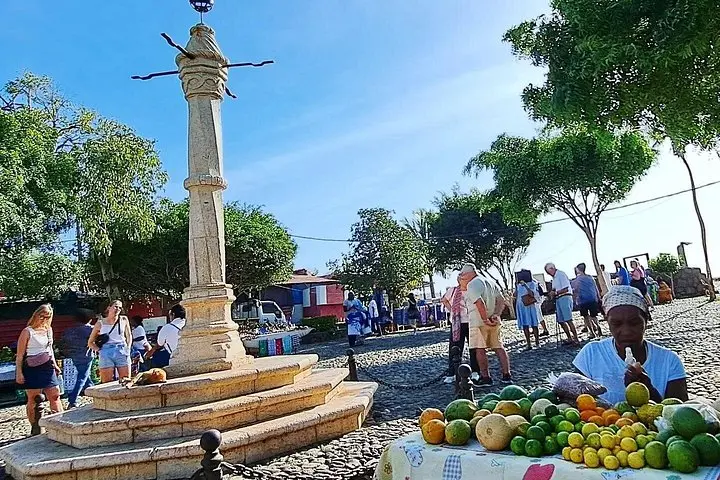
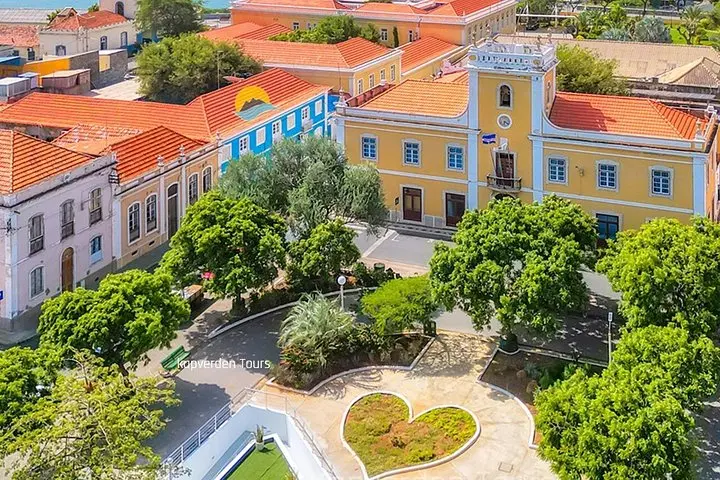
You step out of an air‑conditioned van onto Praia’s Plateau as the Atlantic breeze pushes warmth and salt through the streets. Bright stalls, Portuguese colonial facades, and the sound of local morna create a busy, tactile first impression; the guide points down a narrow alley toward the market and then toward the road that leads to Cidade Velha.
Verified experiences and guided adventures in the surrounding area.
Operated by Kapverden Tours · Praia, Santiago
You step out of an air‑conditioned van onto Praia’s Plateau as the Atlantic breeze pushes warmth and salt through the streets. Bright stalls, Portuguese colonial facades, and the sound of local morna create a busy, tactile first impression; the guide points down a narrow alley toward the market and then toward the road that leads to Cidade Velha.
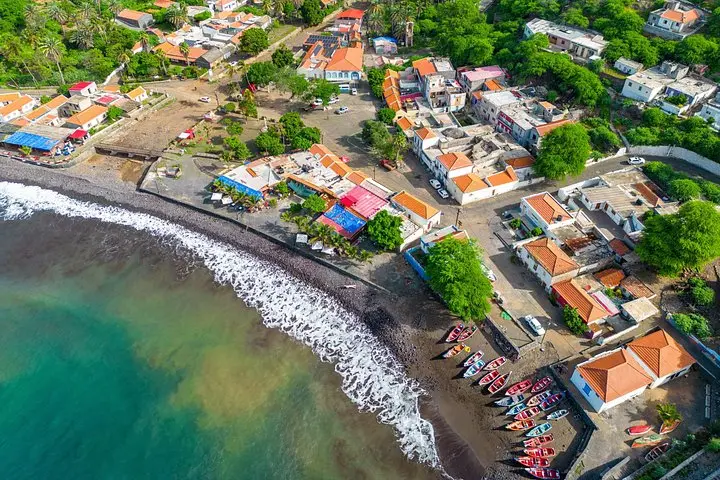
Cidade Velha, a short drive from Praia, is the oldest European settlement in the tropics: a place where volcanic rock meets Atlantic surf and where 15th–17th century fortifications mark the history of navigation, trade, and the early Atlantic slave routes. Santiago itself is volcanic in origin—rugged ridgelines and eroded lava flows shape the island’s coastal shelves and sheltered bays—giving the towns a compact, hillside character.
The tour balances civic life and heritage: Plateau’s municipal square and 19th‑century cathedral, the Sukupira market’s stalls and bargaining rhythm, then the ruins and fortress at Cidade Velha where UNESCO signage explains the site’s role in Cape Verdean identity. Local insights include sampling street coffee, listening for morna rhythms, and noticing the layered Portuguese and African architectural details.
Practical guidance: expect 3–4 hours of mostly easy walking on uneven cobbles, bring sunscreen, a refillable water bottle and small bills for market purchases. Morning departures avoid the midday heat and provide clearer light for photos at the fortress. The operator provides pickup and drop‑off; the route is suitable for most fitness levels but be cautious on steep, irregular paving.
Yes—the tour includes pick up and drop off from most accommodations in Praia as noted at booking.
Expect mostly easy, 3–4 hours total with periods of standing and short uphill cobbled sections, suitable for most fitness levels.
Historic site access and guided commentary are included, but any optional paid attractions should be confirmed at booking.
Children are welcome; those with significant mobility issues may find cobbles and uneven terrain challenging—contact the operator for accessibility options.
Kapverden Tours operates guided outdoor trips and adventures with an emphasis on safety, stewardship, and memorable experiences.

You step out of an air‑conditioned van onto Praia’s Plateau as the Atlantic breeze pushes warmth and salt through the streets. Bright stalls, Portuguese colonial facades, and the sound of local morna create a busy, tactile first impression; the guide points down a narrow alley toward the market and then toward the road that leads to Cidade Velha.
You step out of an air‑conditioned van onto Praia’s Plateau as the Atlantic breeze pushes warmth and salt through the streets. Bright stalls, Portuguese colonial facades, and the sound of local morna create a busy, tactile first impression; the guide points down a narrow alley toward the market and then toward the road that leads to Cidade Velha.
Cidade Velha, a short drive from Praia, is the oldest European settlement in the tropics: a place where volcanic rock meets Atlantic surf and where 15th–17th century fortifications mark the history of navigation, trade, and the early Atlantic slave routes. Santiago itself is volcanic in origin—rugged ridgelines and eroded lava flows shape the island’s coastal shelves and sheltered bays—giving the towns a compact, hillside character.
The tour balances civic life and heritage: Plateau’s municipal square and 19th‑century cathedral, the Sukupira market’s stalls and bargaining rhythm, then the ruins and fortress at Cidade Velha where UNESCO signage explains the site’s role in Cape Verdean identity. Local insights include sampling street coffee, listening for morna rhythms, and noticing the layered Portuguese and African architectural details.
Practical guidance: expect 3–4 hours of mostly easy walking on uneven cobbles, bring sunscreen, a refillable water bottle and small bills for market purchases. Morning departures avoid the midday heat and provide clearer light for photos at the fortress. The operator provides pickup and drop‑off; the route is suitable for most fitness levels but be cautious on steep, irregular paving.