THE ADVENTURE COLLECTIVE® · Independent discovery and booking for outdoor travel

Explore Tenerife’s volcanic seascapes on guided dives from Radazul. Small groups and local instructors tailor dives for certified divers across reefs, pinnacles and wreck-like lava formations.
Explore Tenerife’s volcanic seascapes on guided dives from Radazul. Small groups and local instructors tailor dives for certified divers across reefs, pinnacles and wreck-like lava formations.
Wet air bites at the surface as the boat eases away from Radazul’s harbor and the island’s volcanic flank slides beneath you like layered basalt. Descending here is a descent into black rock, sculpted channels and pockets where marine life collects—turtles cruising along ledges, stingrays half-buried in sand, and clusters of nudibranchs decorating cracks.
Verified experiences and guided adventures in the surrounding area.
Operated by Scubanana Dive Center · Radazul, Tenerife
Wet air bites at the surface as the boat eases away from Radazul’s harbor and the island’s volcanic flank slides beneath you like layered basalt. Descending here is a descent into black rock, sculpted channels and pockets where marine life collects—turtles cruising along ledges, stingrays half-buried in sand, and clusters of nudibranchs decorating cracks.
Tenerife’s underwater terrain is an extension of its volcanic history. Teide’s eruptions built the island and its offshore drop-offs; lava flows and collapsed tunnels now form swim-throughs and pinnacles that attract a variety of Atlantic and subtropical species. Culturally, the island’s fishing villages historically read the sea for weather and currents—local skippers still favor sheltered Radazul when the north swell makes other sites rough.
This guided dive package runs about six hours, with small groups (max four) and dives tailored to certified divers’ depth limits (commonly -18m to -40m). Inclusions typically cover instructor-led guidance, basic dive gear, taxes and diving insurance. Expect boat or shore entries depending on conditions; visibility ranges seasonally from roughly 10–30m.
Practical edge: bring your certification card, check the 12-hour no-fly rule after diving, and alert the operator to any medical/heart conditions. Hydrate and sleep well before your surface intervals; a dive computer and proper exposure suit (5mm in winter, lighter in summer) matter here. Weather can shift quickly—ask operators about currents and pick sites that match your certification depth and experience. With responsible buoyancy and local guidance, Tenerife delivers dramatic volcanic seascapes and rewarding encounters for certified divers.
Yes—participants must present a valid scuba certification card and proof of recent diving or a medical clearance if requested.
Sites are selected to match diver limits; common options range from -18 meters for recreational dives up to -40 meters for advanced certified divers.
No—operators advise following the 12‑hour minimum no‑fly interval after your last dive; longer is recommended for multiple dives.
Trips may be canceled for safety; the operator offers a full refund if canceled at least 24 hours before departure or due to unsafe sea conditions.
Scubanana Dive Center operates guided outdoor trips and adventures with an emphasis on safety, stewardship, and memorable experiences.
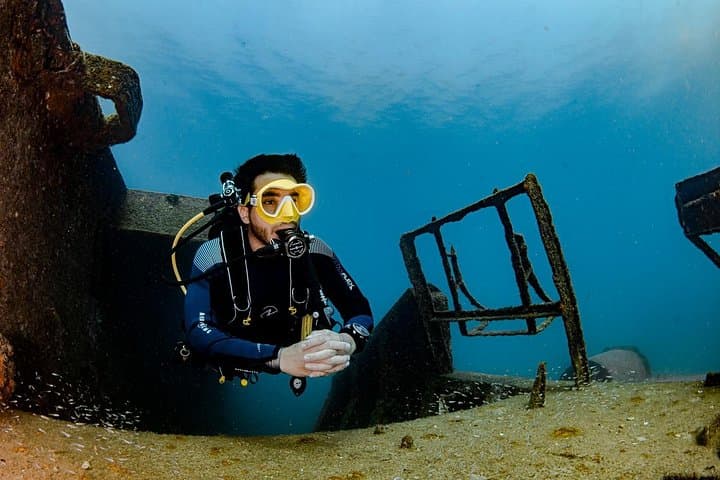
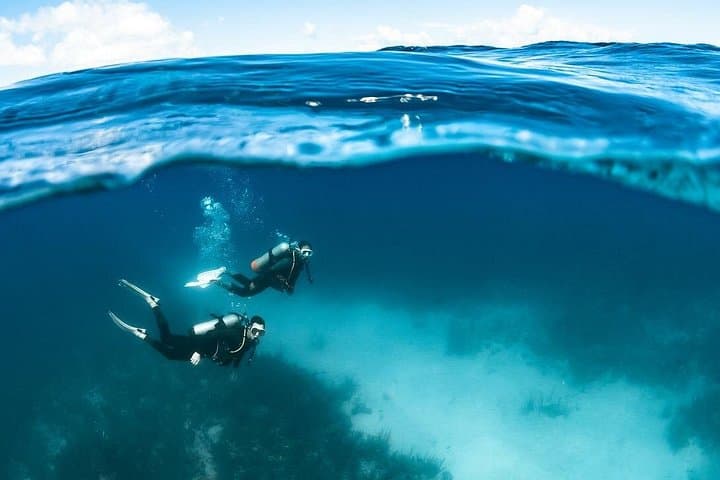
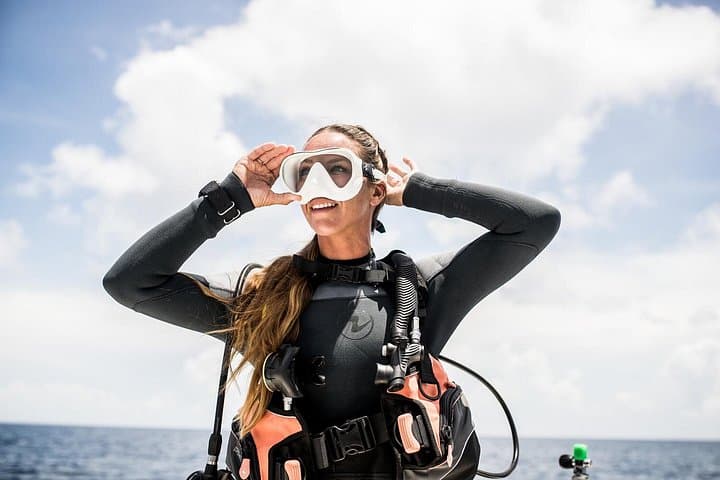
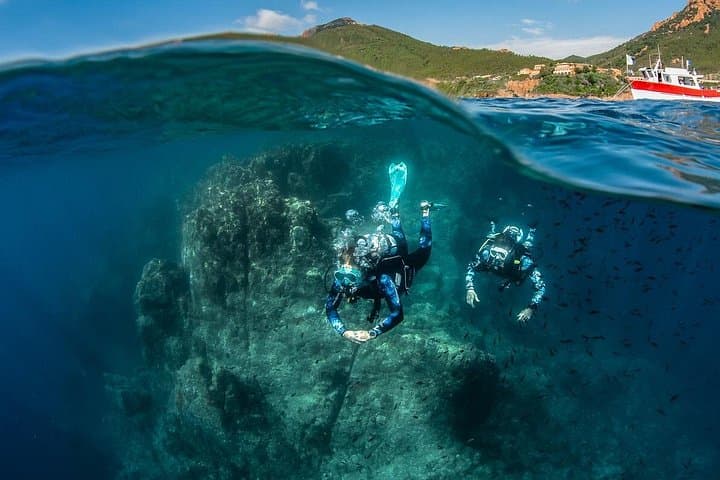
Wet air bites at the surface as the boat eases away from Radazul’s harbor and the island’s volcanic flank slides beneath you like layered basalt. Descending here is a descent into black rock, sculpted channels and pockets where marine life collects—turtles cruising along ledges, stingrays half-buried in sand, and clusters of nudibranchs decorating cracks.
Wet air bites at the surface as the boat eases away from Radazul’s harbor and the island’s volcanic flank slides beneath you like layered basalt. Descending here is a descent into black rock, sculpted channels and pockets where marine life collects—turtles cruising along ledges, stingrays half-buried in sand, and clusters of nudibranchs decorating cracks.
Tenerife’s underwater terrain is an extension of its volcanic history. Teide’s eruptions built the island and its offshore drop-offs; lava flows and collapsed tunnels now form swim-throughs and pinnacles that attract a variety of Atlantic and subtropical species. Culturally, the island’s fishing villages historically read the sea for weather and currents—local skippers still favor sheltered Radazul when the north swell makes other sites rough.
This guided dive package runs about six hours, with small groups (max four) and dives tailored to certified divers’ depth limits (commonly -18m to -40m). Inclusions typically cover instructor-led guidance, basic dive gear, taxes and diving insurance. Expect boat or shore entries depending on conditions; visibility ranges seasonally from roughly 10–30m.
Practical edge: bring your certification card, check the 12-hour no-fly rule after diving, and alert the operator to any medical/heart conditions. Hydrate and sleep well before your surface intervals; a dive computer and proper exposure suit (5mm in winter, lighter in summer) matter here. Weather can shift quickly—ask operators about currents and pick sites that match your certification depth and experience. With responsible buoyancy and local guidance, Tenerife delivers dramatic volcanic seascapes and rewarding encounters for certified divers.