THE ADVENTURE COLLECTIVE® · Independent discovery and booking for outdoor travel

Step onto an easy, guided trail near San José where trained naturalists help you spot sloths in the canopy. Learn species traits, local conservation context, and practical tips for comfortable, respectful wildlife watching.
Step onto an easy, guided trail near San José where trained naturalists help you spot sloths in the canopy. Learn species traits, local conservation context, and practical tips for comfortable, respectful wildlife watching.
The trail opens under a low green ceiling where leaves drip from hanging vines and sloths blink slowly overhead. Guides move with practiced stillness, pointing up into the canopy where the animals—almost statues—change position with deliberate, patient motions. The soundscape is not quiet: insect calls and distant howler monkey roars puncture the humidity.
Verified experiences and guided adventures in the surrounding area.
Operated by Arenal Hike & Adventures · San José, San José Province
The trail opens under a low green ceiling where leaves drip from hanging vines and sloths blink slowly overhead. Guides move with practiced stillness, pointing up into the canopy where the animals—almost statues—change position with deliberate, patient motions. The soundscape is not quiet: insect calls and distant howler monkey roars puncture the humidity.
This experience is rooted in Costa Rica’s modern conservation story. Around San José, small reserves and private corridors preserve fragments of lowland rainforest that once covered the Central Valley. The geology here is volcanic and well-drained, feeding nutrient-rich soils that support the epiphytes and strangler figs sloths favor.
Guides emphasize species-level ID and behavior—how two-toed and three-toed sloths differ, what slow digestion means for movement, and how canopy structure shapes their lives. Local culture frames wildlife watching as an educational livelihood; many trails are run by communities invested in keeping habitat intact.
Practically, the walk is short and gentle (about 1.5–2 hours) on a flat, maintained trail—ideal for families and casual hikers. Expect close-range viewing through binoculars or a telephoto lens; avoid flash photography and do not touch animals. Morning or late afternoon trips increase sightings but bring more insects, so dress in long sleeves and bring rain protection during the wet season. Hydrate before the walk and follow your guide’s instructions for quiet observation.
You’ll leave with photographs, behavioral notes, and a clearer sense of how small protected patches can sustain slow, patient wildlife that seems to watch you back.
The guided observation lasts about 1.5–2 hours on an easy, flat trail designed for viewing wildlife.
Yes — the trail is beginner-friendly and accessible to families and older visitors; notify guides of mobility needs when booking.
Photography is encouraged but avoid flash near animals; a zoom lens or binoculars improves results without disturbing wildlife.
Early morning or late afternoon increases chances of sightings; mornings are cooler, afternoons can be warmer and more active.
Arenal Hike & Adventures operates guided outdoor trips and adventures with an emphasis on safety, stewardship, and memorable experiences.
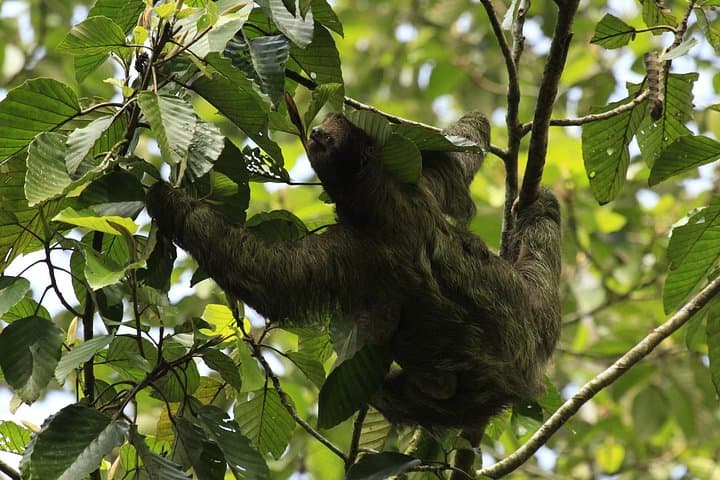
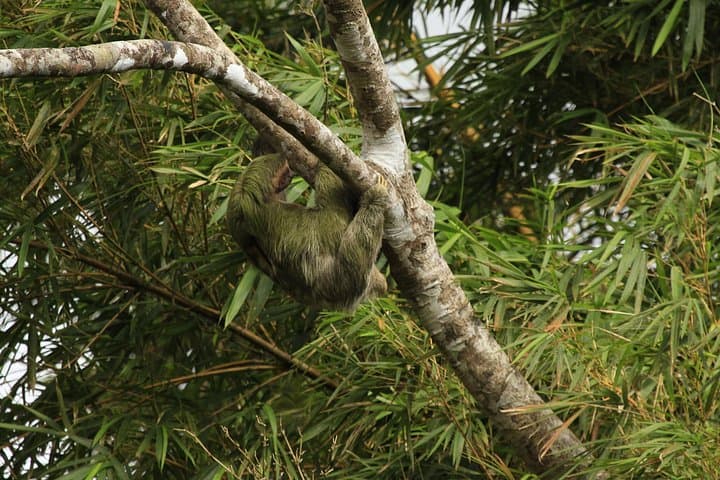
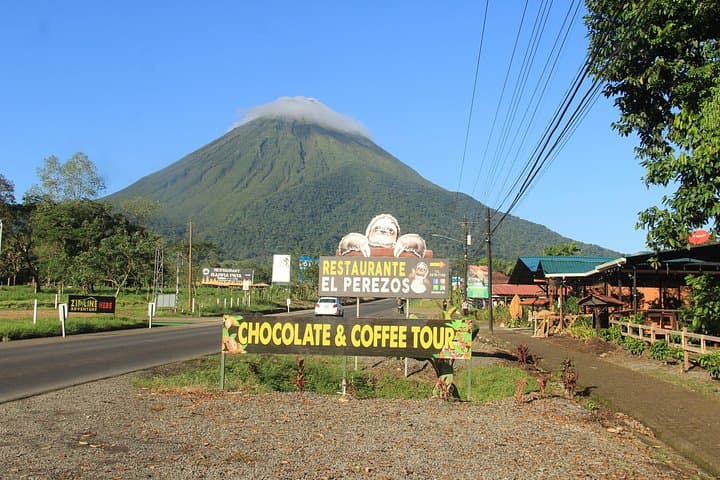
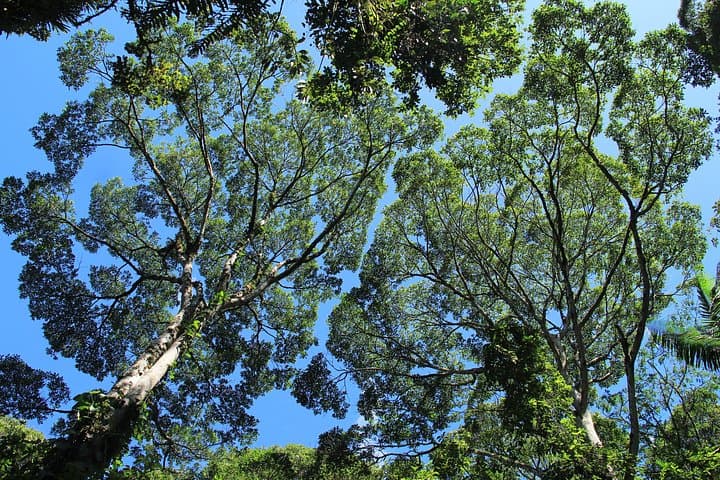
The trail opens under a low green ceiling where leaves drip from hanging vines and sloths blink slowly overhead. Guides move with practiced stillness, pointing up into the canopy where the animals—almost statues—change position with deliberate, patient motions. The soundscape is not quiet: insect calls and distant howler monkey roars puncture the humidity.
The trail opens under a low green ceiling where leaves drip from hanging vines and sloths blink slowly overhead. Guides move with practiced stillness, pointing up into the canopy where the animals—almost statues—change position with deliberate, patient motions. The soundscape is not quiet: insect calls and distant howler monkey roars puncture the humidity.
This experience is rooted in Costa Rica’s modern conservation story. Around San José, small reserves and private corridors preserve fragments of lowland rainforest that once covered the Central Valley. The geology here is volcanic and well-drained, feeding nutrient-rich soils that support the epiphytes and strangler figs sloths favor.
Guides emphasize species-level ID and behavior—how two-toed and three-toed sloths differ, what slow digestion means for movement, and how canopy structure shapes their lives. Local culture frames wildlife watching as an educational livelihood; many trails are run by communities invested in keeping habitat intact.
Practically, the walk is short and gentle (about 1.5–2 hours) on a flat, maintained trail—ideal for families and casual hikers. Expect close-range viewing through binoculars or a telephoto lens; avoid flash photography and do not touch animals. Morning or late afternoon trips increase sightings but bring more insects, so dress in long sleeves and bring rain protection during the wet season. Hydrate before the walk and follow your guide’s instructions for quiet observation.
You’ll leave with photographs, behavioral notes, and a clearer sense of how small protected patches can sustain slow, patient wildlife that seems to watch you back.