THE ADVENTURE COLLECTIVE® · Independent discovery and booking for outdoor travel

Explore Machu Picchu with a local guide during a focused 2–3 hour small-group tour. Learn the Inca story, navigate terraces and stone stairways, and get practical tips for tickets, altitude, and timing.
Explore Machu Picchu with a local guide during a focused 2–3 hour small-group tour. Learn the Inca story, navigate terraces and stone stairways, and get practical tips for tickets, altitude, and timing.
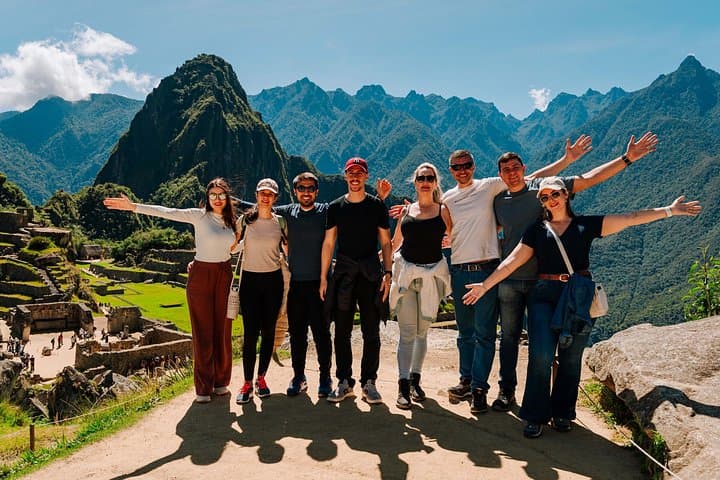
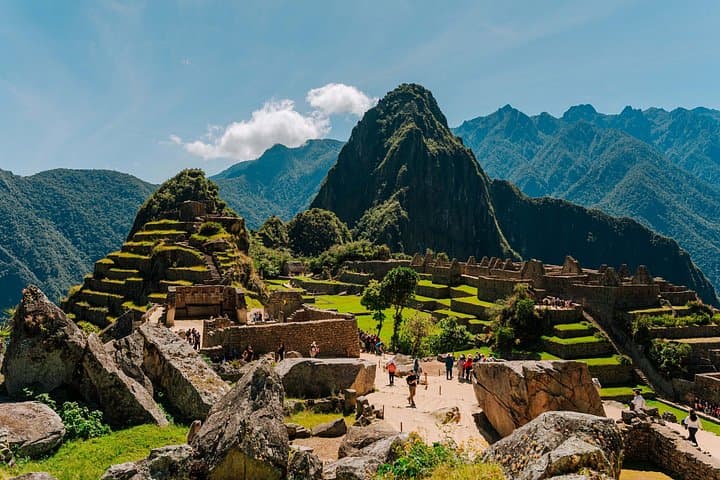
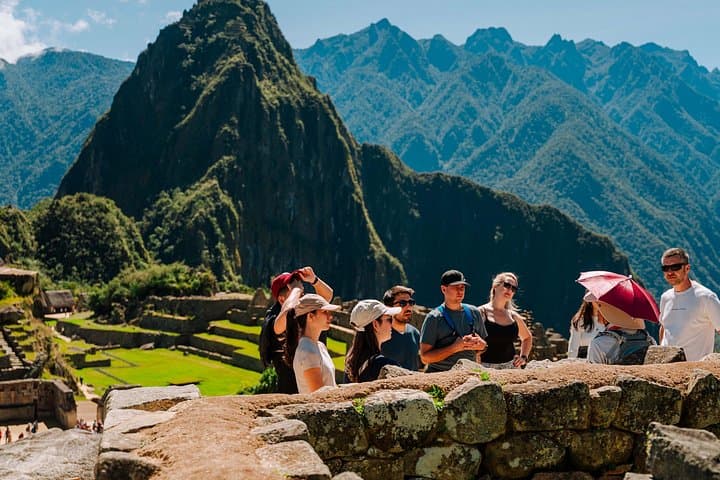
You step off the train in Aguas Calientes and the air feels like it's holding its breath—steep green walls press in, and the Urubamba River below dares you to look down. A short shuttle ride, a stone gate, and suddenly the citadel opens: terraces folding into the mountain, staircases that slope like carved ribs, and the faint outline of Huayna Picchu puncturing the cloud.
Verified experiences and guided adventures in the surrounding area.
Operated by Willka travel Cusco · Aguas Calientes, Cusco
You step off the train in Aguas Calientes and the air feels like it's holding its breath—steep green walls press in, and the Urubamba River below dares you to look down. A short shuttle ride, a stone gate, and suddenly the citadel opens: terraces folding into the mountain, staircases that slope like carved ribs, and the faint outline of Huayna Picchu puncturing the cloud.
Machu Picchu was built in the mid-15th century during the height of the Inca empire and avoided large colonial alterations, which is why the stones still fit like a quiet puzzle. Geologically, the site sits on resistant granite of the eastern Andean cordillera; erosion and tectonics gave the valley its dramatic cliffs and the river its impatience.
Quechua culture remains present in the valley—guides will point out agricultural terraces, water channels, and the ritual axis that organized Inca space. Hiram Bingham’s 20th-century “rediscovery” opened the world’s eyes, but local communities have long kept knowledge of the place alive.
Practical guidance: this 2–3 hour guided visit focuses on the citadel—buy your Machu Picchu entrance and bus tickets in advance, carry a passport for entry, and expect uneven stone steps. The site sits at ~2,430 m, so hydrate and move deliberately; the guide will set a measured pace. Bring layered clothing for sun, wind, and sudden mountain mist; camera battery and respectful curiosity are essential. The guided window maximizes historical context while leaving time to absorb viewpoints; if you want to climb Huayna Picchu, reserve that separately. Follow signage and your guide to protect fragile masonry, and plan travel time from Cusco or the Sacred Valley—Machu Picchu still rewards patience with its quiet power.
Yes—this guided service typically does not include the official entrance or the bus; purchase your Machu Picchu ticket and shuttle in advance to match the guide time.
The citadel includes many stairs and uneven sections; while the guided route is paced, it may be difficult for those with mobility issues—contact the operator for specific accommodations.
Machu Picchu sits at about 2,430 m; mild symptoms are common—acclimate in Cusco or the Sacred Valley, hydrate, avoid heavy exertion on arrival, and consult a physician about medication if you are prone to severe symptoms.
These mountain climbs require separate permits and tickets; if booked, the guide can include them, but spaces are limited and must be reserved in advance.
Willka travel Cusco operates guided outdoor trips and adventures with an emphasis on safety, stewardship, and memorable experiences.
You step off the train in Aguas Calientes and the air feels like it's holding its breath—steep green walls press in, and the Urubamba River below dares you to look down. A short shuttle ride, a stone gate, and suddenly the citadel opens: terraces folding into the mountain, staircases that slope like carved ribs, and the faint outline of Huayna Picchu puncturing the cloud.
You step off the train in Aguas Calientes and the air feels like it's holding its breath—steep green walls press in, and the Urubamba River below dares you to look down. A short shuttle ride, a stone gate, and suddenly the citadel opens: terraces folding into the mountain, staircases that slope like carved ribs, and the faint outline of Huayna Picchu puncturing the cloud.
Machu Picchu was built in the mid-15th century during the height of the Inca empire and avoided large colonial alterations, which is why the stones still fit like a quiet puzzle. Geologically, the site sits on resistant granite of the eastern Andean cordillera; erosion and tectonics gave the valley its dramatic cliffs and the river its impatience.
Quechua culture remains present in the valley—guides will point out agricultural terraces, water channels, and the ritual axis that organized Inca space. Hiram Bingham’s 20th-century “rediscovery” opened the world’s eyes, but local communities have long kept knowledge of the place alive.
Practical guidance: this 2–3 hour guided visit focuses on the citadel—buy your Machu Picchu entrance and bus tickets in advance, carry a passport for entry, and expect uneven stone steps. The site sits at ~2,430 m, so hydrate and move deliberately; the guide will set a measured pace. Bring layered clothing for sun, wind, and sudden mountain mist; camera battery and respectful curiosity are essential. The guided window maximizes historical context while leaving time to absorb viewpoints; if you want to climb Huayna Picchu, reserve that separately. Follow signage and your guide to protect fragile masonry, and plan travel time from Cusco or the Sacred Valley—Machu Picchu still rewards patience with its quiet power.