THE ADVENTURE COLLECTIVE® · Independent discovery and booking for outdoor travel

Explore Glacier National Park’s winter silence on a guided snowshoe and scenic drive. This half-day tour pairs easy snowshoeing on Going-to-the-Sun Road with stops at Hungry Horse Dam and Lake McDonald, plus a scenic outdoor lunch.
Explore Glacier National Park’s winter silence on a guided snowshoe and scenic drive. This half-day tour pairs easy snowshoeing on Going-to-the-Sun Road with stops at Hungry Horse Dam and Lake McDonald, plus a scenic outdoor lunch.
A hush settles over the valley as the van eases onto the closed lanes of Going-to-the-Sun Road — snow banks towering, pines frosted, and distant peaks edging the sky. Your guide breaks the silence with a soft plan: fit snowshoes, follow a measured route, and watch for tracks that tell the story of coyotes and elk. The trail opens into wide views above Lake McDonald; the water sits like a dark mirror under a winter light.
Verified experiences and guided adventures in the surrounding area.
Operated by Glacier Hikes & Bikes · West Glacier, Montana
A hush settles over the valley as the van eases onto the closed lanes of Going-to-the-Sun Road — snow banks towering, pines frosted, and distant peaks edging the sky. Your guide breaks the silence with a soft plan: fit snowshoes, follow a measured route, and watch for tracks that tell the story of coyotes and elk. The trail opens into wide views above Lake McDonald; the water sits like a dark mirror under a winter light.
Glacier National Park, established in 1910, carries both geological drama and human history: ancient ice carved the cirques and long ridges, while sites such as Hungry Horse Dam reflect mid-20th-century engineering reshaping the Flathead Valley. In winter the park’s character changes — roads close, forests quiet, and the landscape becomes legible in snow and shadow.
Expect a steady, beginner-friendly pace suited to varied fitness levels. Snowshoeing here is primarily on packed snow along the road corridor and gentle side slopes; elevation gain is usually modest but wind and avalanche-prone gullies are visible from a distance. Guides explain winter ecology, point out animal sign, and place lunch in a scenic clearing where mountain ridgelines frame your meal.
Practical tips: layer for cold, bring insulated waterproof boots, and carry at least 1–1.5 liters of water in insulated bottles. Check park road and weather updates before you go — conditions can change fast. Photography windows are short; plan shots during low-angle midday light. With proper gear and a guide’s local knowledge, this tour turns Glacier’s winter hush into an accessible, memorable mountain day.
No—this guided tour caters to beginners and experienced snowshoers with a steady, interpretive pace and instruction on basic techniques.
Yes—round-trip transportation from Flathead Valley or the Whitefish area is included as part of the tour logistics.
Lunch is provided, but bring snacks and any personal dietary items; insulated containers help keep hot drinks from cooling too quickly.
Trips can be canceled for unsafe weather or low participant numbers; operators typically monitor conditions and notify guests in advance.
Glacier Hikes & Bikes operates guided outdoor trips and adventures with an emphasis on safety, stewardship, and memorable experiences.
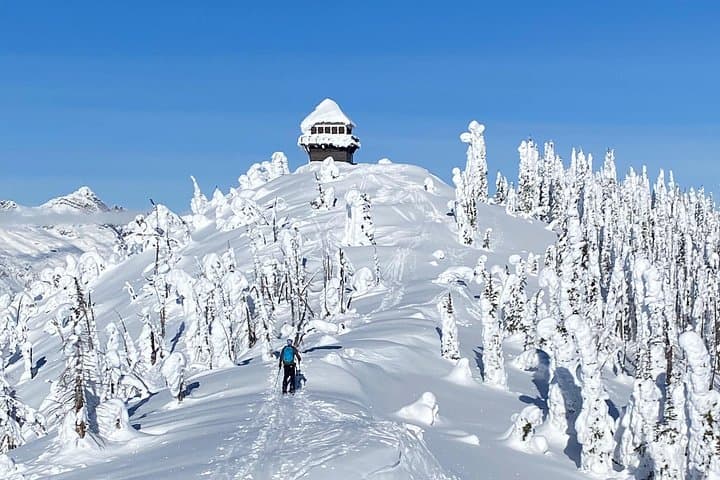

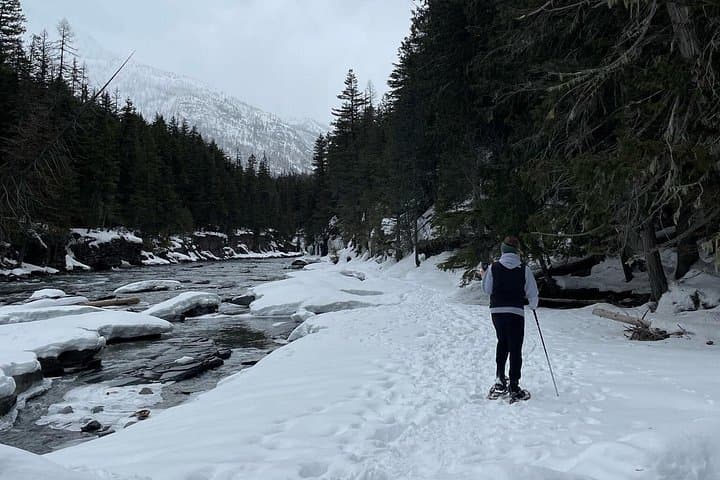

A hush settles over the valley as the van eases onto the closed lanes of Going-to-the-Sun Road — snow banks towering, pines frosted, and distant peaks edging the sky. Your guide breaks the silence with a soft plan: fit snowshoes, follow a measured route, and watch for tracks that tell the story of coyotes and elk. The trail opens into wide views above Lake McDonald; the water sits like a dark mirror under a winter light.
A hush settles over the valley as the van eases onto the closed lanes of Going-to-the-Sun Road — snow banks towering, pines frosted, and distant peaks edging the sky. Your guide breaks the silence with a soft plan: fit snowshoes, follow a measured route, and watch for tracks that tell the story of coyotes and elk. The trail opens into wide views above Lake McDonald; the water sits like a dark mirror under a winter light.
Glacier National Park, established in 1910, carries both geological drama and human history: ancient ice carved the cirques and long ridges, while sites such as Hungry Horse Dam reflect mid-20th-century engineering reshaping the Flathead Valley. In winter the park’s character changes — roads close, forests quiet, and the landscape becomes legible in snow and shadow.
Expect a steady, beginner-friendly pace suited to varied fitness levels. Snowshoeing here is primarily on packed snow along the road corridor and gentle side slopes; elevation gain is usually modest but wind and avalanche-prone gullies are visible from a distance. Guides explain winter ecology, point out animal sign, and place lunch in a scenic clearing where mountain ridgelines frame your meal.
Practical tips: layer for cold, bring insulated waterproof boots, and carry at least 1–1.5 liters of water in insulated bottles. Check park road and weather updates before you go — conditions can change fast. Photography windows are short; plan shots during low-angle midday light. With proper gear and a guide’s local knowledge, this tour turns Glacier’s winter hush into an accessible, memorable mountain day.