
Guided Tibetan Culture Walk at Norbulingka, Gyuto & Dolma Ling Nunnery — Dharamsala Cultural Tour
Walk from Norbulingka through Dolma Ling Nunnery to Gyuto Monastery on a three‑hour cultural circuit that mixes living Buddhist traditions with handicraft studios and foothill views of the Dhauladhars. Ideal for travelers seeking an accessible, interpretive introduction to Tibetan exile culture in Dharamsala.
An Adventure In Dharamsala.
Walk from Norbulingka through Dolma Ling Nunnery to Gyuto Monastery on a three‑hour cultural circuit that mixes living Buddhist traditions with handicraft studios and foothill views of the Dhauladhars. Ideal for travelers seeking an accessible, interpretive introduction to Tibetan exile culture in Dharamsala.
Read the full experience
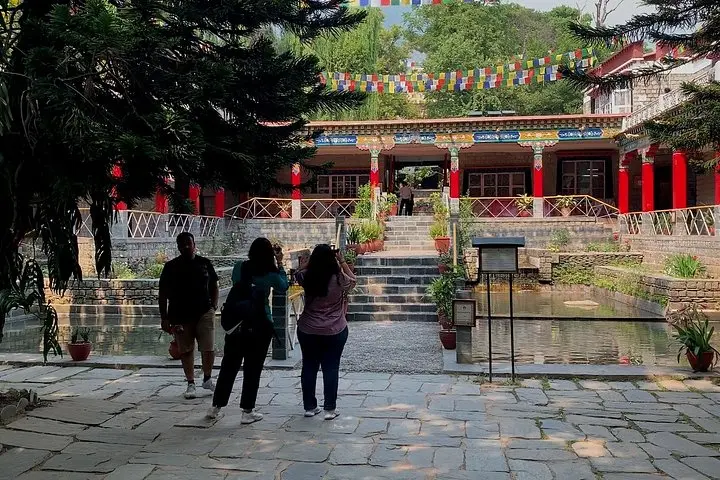
A narrow lane climbs out of McLeod Ganj and opens onto the low-slung roofs and carved wood of Norbulingka Institute, where prayer flags catch the wind and the Dhauladhar ridgeline watches from above. On this three‑hour circuit you move at walking pace through courtyards, workshops and prayer halls, listening as a local guide stitches history to place: exile, art, and revival.
A narrow lane climbs out of McLeod Ganj and opens onto the low-slung roofs and carved wood of Norbulingka Institute, where prayer flags catch the wind and the Dhauladhar ridgeline watches from above. On this three‑hour circuit you move at walking pace through courtyards, workshops and prayer halls, listening as a local guide stitches history to place: exile, art, and revival.
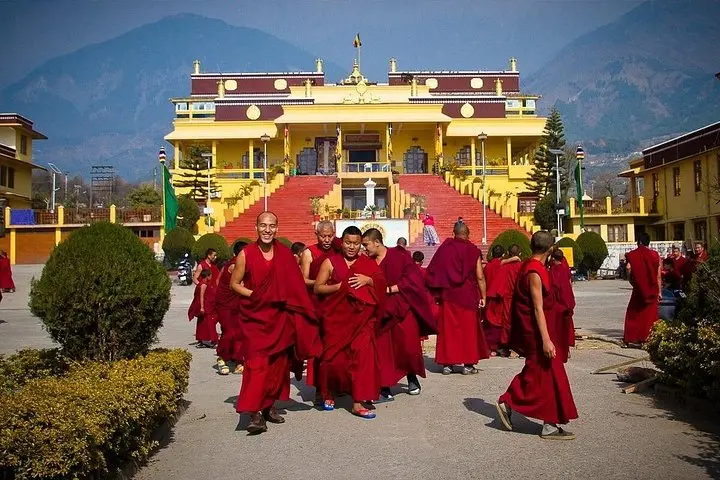
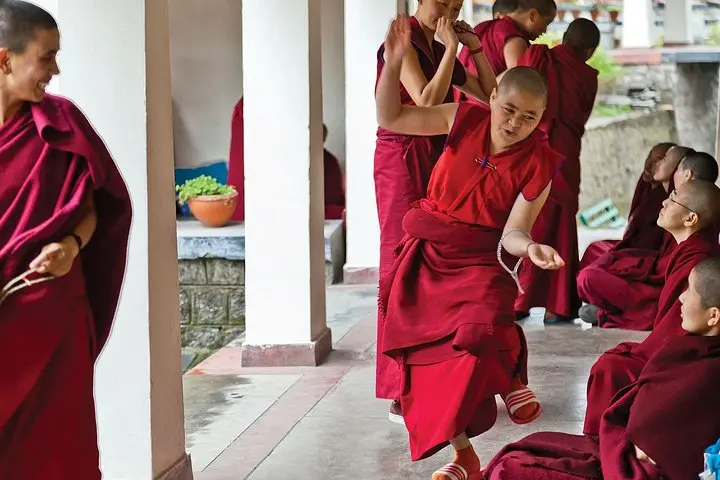
Norbulingka was founded in 1988 to preserve Tibetan arts and crafts; the path from there leads past Dolma Ling, a modern nunnery dedicated to higher Buddhist education, then onward to Gyuto Monastery, a center of tantric study with roots traced back to 1474. The architecture is practical and ornate — painted wood, flat stone terraces, butter‑lamp rooms — and the stories your guide shares map political history onto daily life.
Geology and climate assert themselves quietly: this is the southern face of the Dhauladhars, weather that can switch from bright sun to monsoon mist. Expect paved paths, campus steps and short uphill stretches rather than wilderness trails. Cultural norms matter here — modest dress, low voices in prayer spaces, and deference to rituals.
Practical notes: the loop is roughly 3 hours at an easy pace; bottled water is provided but bring sun protection and a light layer. Morning visits reduce crowds and improve visibility of the peaks. Photography is usually allowed outside sanctuaries but follow signage and ask before photographing people. This walk is a compact, accessible way to read Tibetan exile culture across art studios, nunneries and monastery courtyards without venturing far from Dharamsala.
Frequently asked questions
This guided walk typically includes access and local guide services, but confirm if any specific site donations or admission fees are required on the day.
Yes; the pace is gentle and the terrain is mostly paved, though families should be prepared for some stairs and brief uphill sections.
Rules vary by room; photography is usually allowed in courtyards but often restricted inside prayer halls — always follow signage and ask your guide.
Layered clothing is best—mornings can be cool, afternoons warmer, and monsoon season brings rain; a light jacket and rain protection are recommended.
About This Experience
Himachal Bylocals operates guided outdoor trips and adventures with an emphasis on safety, stewardship, and memorable experiences.
Adventure tips
Recommended gear
- Comfortable walking shoes: Support and traction for paved paths and steps at the institutes.
- Light rain jacket: Useful during monsoon months when showers can be sudden.
- Sun hat and sunscreen: Protects against high‑altitude sun during clear days.
- Reusable water bottle: Bottled water is sometimes provided, but having your own water reduces waste and keeps you hydrated.
Photos of the experience
Related adventures & guides
Read the full experience
A narrow lane climbs out of McLeod Ganj and opens onto the low-slung roofs and carved wood of Norbulingka Institute, where prayer flags catch the wind and the Dhauladhar ridgeline watches from above. On this three‑hour circuit you move at walking pace through courtyards, workshops and prayer halls, listening as a local guide stitches history to place: exile, art, and revival.
A narrow lane climbs out of McLeod Ganj and opens onto the low-slung roofs and carved wood of Norbulingka Institute, where prayer flags catch the wind and the Dhauladhar ridgeline watches from above. On this three‑hour circuit you move at walking pace through courtyards, workshops and prayer halls, listening as a local guide stitches history to place: exile, art, and revival.
Norbulingka was founded in 1988 to preserve Tibetan arts and crafts; the path from there leads past Dolma Ling, a modern nunnery dedicated to higher Buddhist education, then onward to Gyuto Monastery, a center of tantric study with roots traced back to 1474. The architecture is practical and ornate — painted wood, flat stone terraces, butter‑lamp rooms — and the stories your guide shares map political history onto daily life.
Geology and climate assert themselves quietly: this is the southern face of the Dhauladhars, weather that can switch from bright sun to monsoon mist. Expect paved paths, campus steps and short uphill stretches rather than wilderness trails. Cultural norms matter here — modest dress, low voices in prayer spaces, and deference to rituals.
Practical notes: the loop is roughly 3 hours at an easy pace; bottled water is provided but bring sun protection and a light layer. Morning visits reduce crowds and improve visibility of the peaks. Photography is usually allowed outside sanctuaries but follow signage and ask before photographing people. This walk is a compact, accessible way to read Tibetan exile culture across art studios, nunneries and monastery courtyards without venturing far from Dharamsala.
Make a day of it nearby.
Verified experiences and guided adventures in the surrounding area.