THE ADVENTURE COLLECTIVE® · Independent discovery and booking for outdoor travel

Explore Parc des Buttes-Chaumont with a local guide on a 2.5‑hour walk that mixes geology, Haussmann-era history and neighborhood secrets. Small groups, steep viewpoints and unexpected city views make this a revealing urban hike.
Explore Parc des Buttes-Chaumont with a local guide on a 2.5‑hour walk that mixes geology, Haussmann-era history and neighborhood secrets. Small groups, steep viewpoints and unexpected city views make this a revealing urban hike.
A late-afternoon light slants through plane trees as a small group moves up the park’s winding paths — the rock face to one side, an artificial lake below, voices softened by foliage. The guide pauses at the Temple of Sibylle where a narrow promontory offers a clear line to Montmartre; the city feels near and oddly wild at once.
Verified experiences and guided adventures in the surrounding area.
Operated by Gipsy in Paris · Paris, Île-de-France
A late-afternoon light slants through plane trees as a small group moves up the park’s winding paths — the rock face to one side, an artificial lake below, voices softened by foliage. The guide pauses at the Temple of Sibylle where a narrow promontory offers a clear line to Montmartre; the city feels near and oddly wild at once.
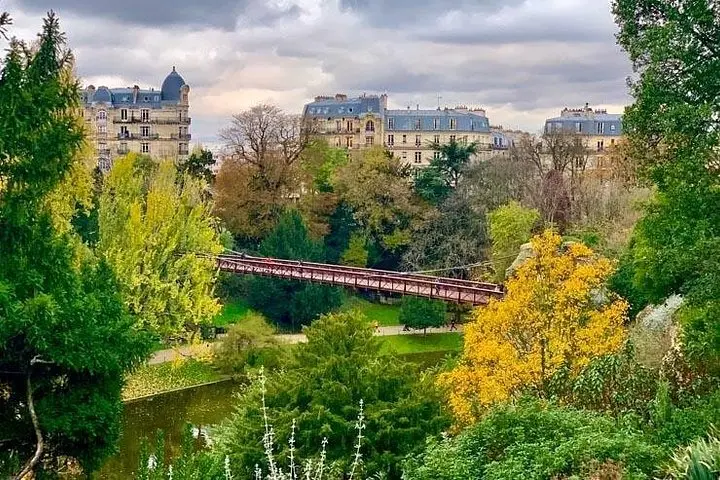
Constructed during the reign of Napoleon III on a former gypsum quarry, Parc des Buttes-Chaumont is a designed landscape of cliffs, bridges and a man-made waterfall. Its steep terraces and the 19th‑century landscaping by Jean-Charles Alphand reflect Haussmann-era ambitions to bring controlled nature into dense urban fabric. The surrounding 19th arrondissement carries a working-class history that has softened into a neighborhood of small cafés, markets and hidden courtyards.
On this 2½‑hour guided walk, expect layered experiences: geology explained in quarried rock faces, cultural notes on immigrant communities and local artists, and neighborhood detours to the Butte Bergeyre and a tucked-away church. The guide’s local knowledge points out vantage points, public gardens and the park’s seasonal moods.
Practicalities are straightforward: the route includes stairs and narrow lanes so sturdy shoes are recommended; the group size is small and the pace moderate, suitable for most fitness levels. Bring a refillable bottle, a light jacket for gusty hilltops, and arrive by metro to avoid parking. With a mix of natural features, urban history and clear viewpoints, the tour gives a compact, practical portrait of one of Paris’s most characterful green spaces.
Meeting points are typically near one of the park entrances accessible by metro; the booking confirmation lists the exact location and time.
The tour listing notes stroller access for infants, but some paths include steps and steep terrain that may limit wheelchair accessibility—contact the operator for specifics.
Tours are run by local guides; language availability depends on the scheduled departure—check the booking page for offered languages.
Full refunds are available if you cancel at least 24 hours before the tour; tours may be canceled for bad weather or insufficient participants.
Gipsy in Paris operates guided outdoor trips and adventures with an emphasis on safety, stewardship, and memorable experiences.
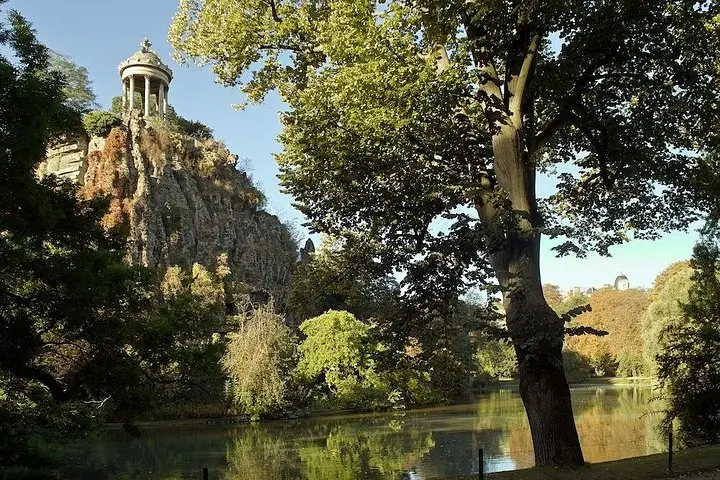
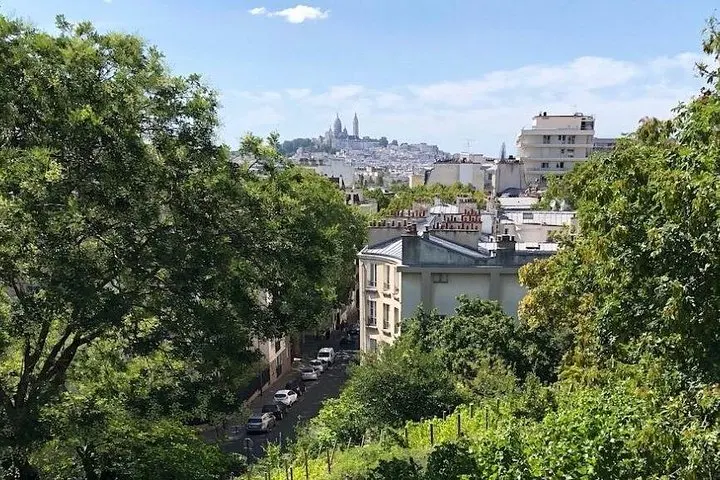
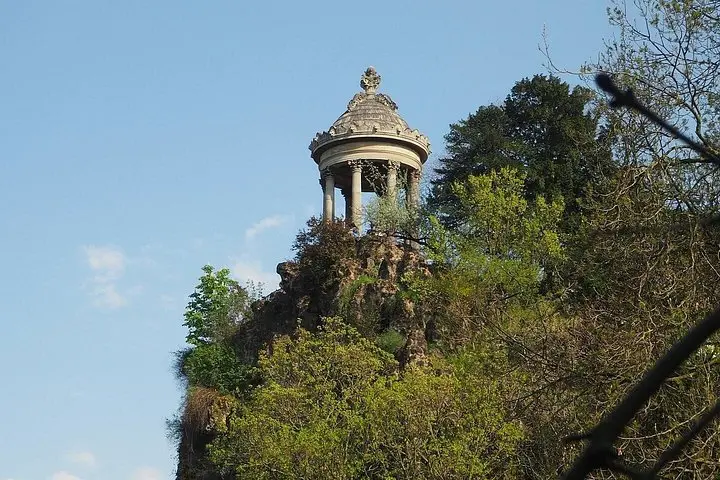
A late-afternoon light slants through plane trees as a small group moves up the park’s winding paths — the rock face to one side, an artificial lake below, voices softened by foliage. The guide pauses at the Temple of Sibylle where a narrow promontory offers a clear line to Montmartre; the city feels near and oddly wild at once.
A late-afternoon light slants through plane trees as a small group moves up the park’s winding paths — the rock face to one side, an artificial lake below, voices softened by foliage. The guide pauses at the Temple of Sibylle where a narrow promontory offers a clear line to Montmartre; the city feels near and oddly wild at once.
Constructed during the reign of Napoleon III on a former gypsum quarry, Parc des Buttes-Chaumont is a designed landscape of cliffs, bridges and a man-made waterfall. Its steep terraces and the 19th‑century landscaping by Jean-Charles Alphand reflect Haussmann-era ambitions to bring controlled nature into dense urban fabric. The surrounding 19th arrondissement carries a working-class history that has softened into a neighborhood of small cafés, markets and hidden courtyards.
On this 2½‑hour guided walk, expect layered experiences: geology explained in quarried rock faces, cultural notes on immigrant communities and local artists, and neighborhood detours to the Butte Bergeyre and a tucked-away church. The guide’s local knowledge points out vantage points, public gardens and the park’s seasonal moods.
Practicalities are straightforward: the route includes stairs and narrow lanes so sturdy shoes are recommended; the group size is small and the pace moderate, suitable for most fitness levels. Bring a refillable bottle, a light jacket for gusty hilltops, and arrive by metro to avoid parking. With a mix of natural features, urban history and clear viewpoints, the tour gives a compact, practical portrait of one of Paris’s most characterful green spaces.