THE ADVENTURE COLLECTIVE® · Independent discovery and booking for outdoor travel

Explore Palenque's impressive Mayan architecture and cool off at a nearby 30‑meter waterfall on a five‑hour guided tour. This accessible excursion mixes rainforest trails, carved stone reliefs and a swim-ready pool—ideal for travelers seeking history, nature and easy logistics.
Explore Palenque's impressive Mayan architecture and cool off at a nearby 30‑meter waterfall on a five‑hour guided tour. This accessible excursion mixes rainforest trails, carved stone reliefs and a swim-ready pool—ideal for travelers seeking history, nature and easy logistics.
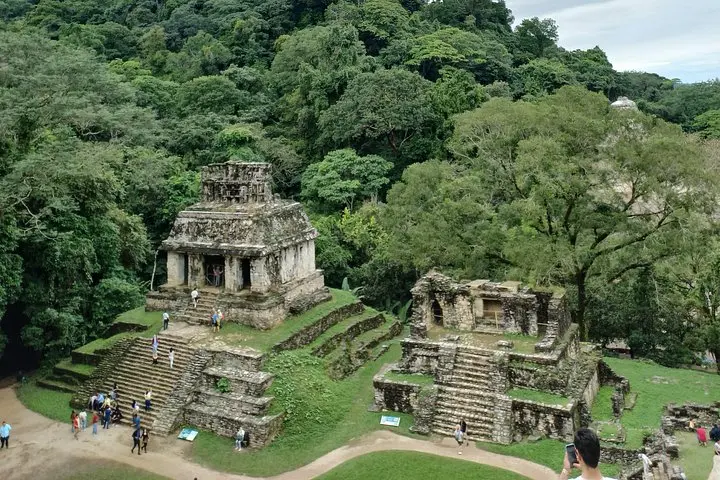
You step from the air-conditioned van into humid, green air—jungle pressing in, shafts of light finding stone. The Palenque ruins sit in that humidity like an ancient city slowly breathing; limestone plazas and carved facades alternately hidden and revealed by ferns and vines.
Verified experiences and guided adventures in the surrounding area.
Operated by Viajes Camgo · Palenque, Chiapas
You step from the air-conditioned van into humid, green air—jungle pressing in, shafts of light finding stone. The Palenque ruins sit in that humidity like an ancient city slowly breathing; limestone plazas and carved facades alternately hidden and revealed by ferns and vines.
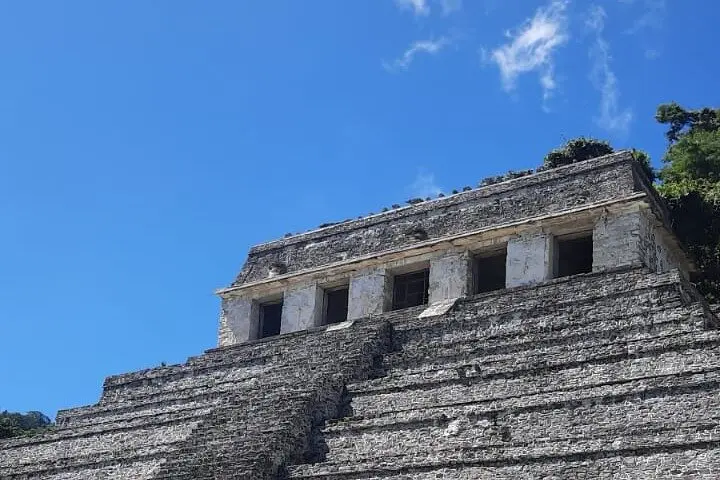
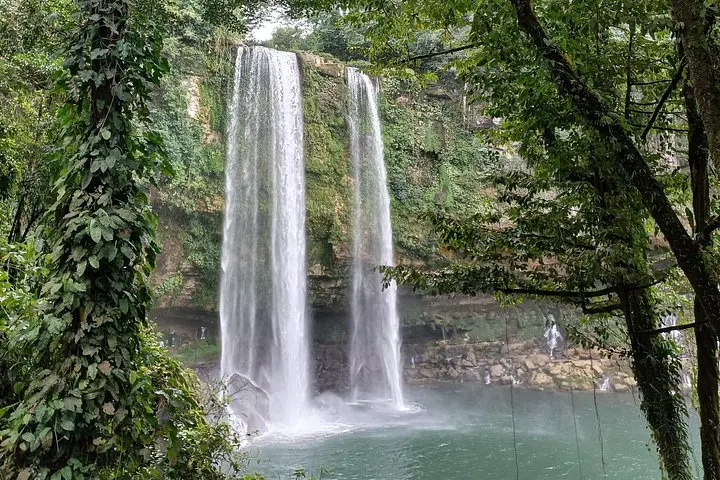
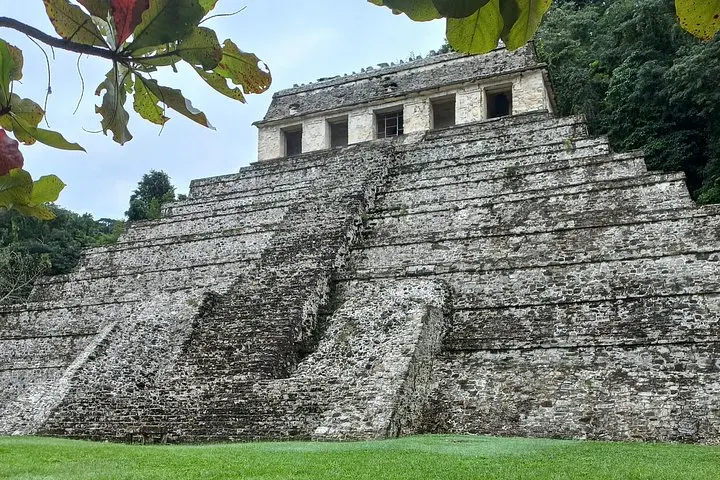
Palenque was a thriving Maya center from roughly the 3rd to 9th centuries AD. Its architectural and sculptural detail—roof combs, stucco reliefs and long carved panels—reflect the political and ritual life of Classic Maya Chiapas. Geologically, the region is karst: rain eats into limestone, carving caves and feeding the springs that make nearby waterfalls, including the frequently visited 30‑meter cascade often identified as Misol‑Há.
Local culture still threads through the trip: Spanish and indigenous languages mingle, and guides translate inscriptions, place names and ritual significance. Expect a mix of shaded forest paths and exposed viewpoints where the jungle seems to lean forward, daring you to look deeper.
Practical guidance: this half‑day tour is about five hours, combining walking around the archaeological zone with a waterfall stop. Wear sturdy closed shoes for uneven stone and muddy trails; carry water, sun protection and a rain layer—tropical showers are common. Bathrooms and refreshments are available near the site, but bring small bills for snacks and local vendors. Photography is excellent in the morning light; afternoons bring clouds and softer air. Follow your guide’s instructions around fragile structures, and leave no trace—these ruins and the surrounding forest rely on respectful visitation.
Yes — the tour lists entrance tickets to the sites according to the itinerary as included in the booking.
The excursion lasts about five hours with guided exploration of the archaeology site and a waterfall stop; walking pace is moderate with time for photos and short rests.
Most itineraries include a waterfall with a swim‑ready pool; conditions vary, so follow the guide’s safety advice and bring swimwear if you intend to enter the water.
The supplier notes wheelchair accessibility for portions of the trip, but some archaeological areas have uneven surfaces—check pickup details and any specific accessibility needs when booking.
Viajes Camgo operates guided outdoor trips and adventures with an emphasis on safety, stewardship, and memorable experiences.
You step from the air-conditioned van into humid, green air—jungle pressing in, shafts of light finding stone. The Palenque ruins sit in that humidity like an ancient city slowly breathing; limestone plazas and carved facades alternately hidden and revealed by ferns and vines.
You step from the air-conditioned van into humid, green air—jungle pressing in, shafts of light finding stone. The Palenque ruins sit in that humidity like an ancient city slowly breathing; limestone plazas and carved facades alternately hidden and revealed by ferns and vines.
Palenque was a thriving Maya center from roughly the 3rd to 9th centuries AD. Its architectural and sculptural detail—roof combs, stucco reliefs and long carved panels—reflect the political and ritual life of Classic Maya Chiapas. Geologically, the region is karst: rain eats into limestone, carving caves and feeding the springs that make nearby waterfalls, including the frequently visited 30‑meter cascade often identified as Misol‑Há.
Local culture still threads through the trip: Spanish and indigenous languages mingle, and guides translate inscriptions, place names and ritual significance. Expect a mix of shaded forest paths and exposed viewpoints where the jungle seems to lean forward, daring you to look deeper.
Practical guidance: this half‑day tour is about five hours, combining walking around the archaeological zone with a waterfall stop. Wear sturdy closed shoes for uneven stone and muddy trails; carry water, sun protection and a rain layer—tropical showers are common. Bathrooms and refreshments are available near the site, but bring small bills for snacks and local vendors. Photography is excellent in the morning light; afternoons bring clouds and softer air. Follow your guide’s instructions around fragile structures, and leave no trace—these ruins and the surrounding forest rely on respectful visitation.