THE ADVENTURE COLLECTIVE® · Independent discovery and booking for outdoor travel

Stand on Wellington’s waterfront and let a guide stitch together Aotearoa’s natural history and living cultures. This 60-minute introduction to Te Papa points out must-see galleries and practical tips for getting the most from a museum visit.
Stand on Wellington’s waterfront and let a guide stitch together Aotearoa’s natural history and living cultures. This 60-minute introduction to Te Papa points out must-see galleries and practical tips for getting the most from a museum visit.
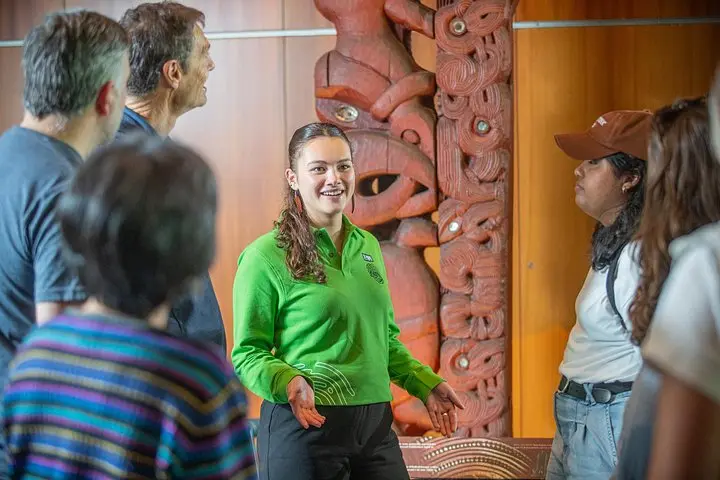
The tour begins on Wellington's wind-scoured waterfront, where the museum's low-profile, modernist façade meets the harbour. Walk through wide public spaces and your guide threads together stories that reach from deep time to living culture: fossilized shorelines, Māori carving, and contemporary Pacific art.
Verified experiences and guided adventures in the surrounding area.
Operated by Museum of New Zealand Te Papa Tongarewa · Wellington, Wellington
The tour begins on Wellington's wind-scoured waterfront, where the museum's low-profile, modernist façade meets the harbour. Walk through wide public spaces and your guide threads together stories that reach from deep time to living culture: fossilized shorelines, Māori carving, and contemporary Pacific art.
Te Papa opened in 1998 as New Zealand’s national museum, combining natural history, social history and mātauranga Māori under one roof. Geologically, the exhibits trace the nation’s restless origins — tectonic uplift, volcanic arcs and the sediments that shaped the islands. Culturally, the museum foregrounds iwi narratives, weaving Māori perspectives and repatriated taonga alongside colonial-era collections and shifting artistic responses from the South Pacific.
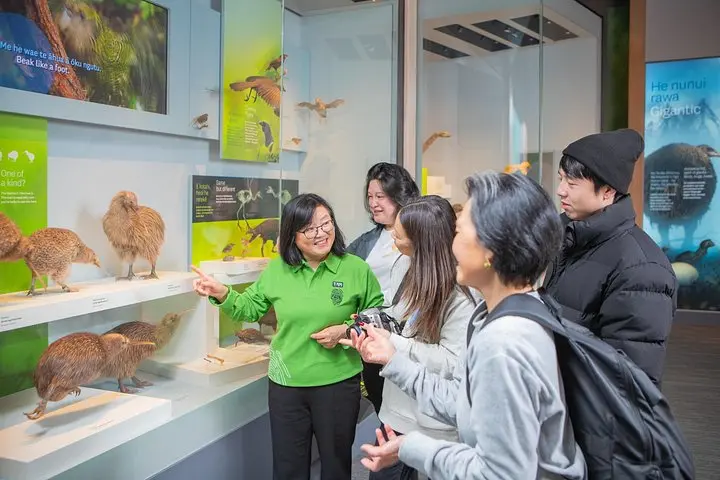
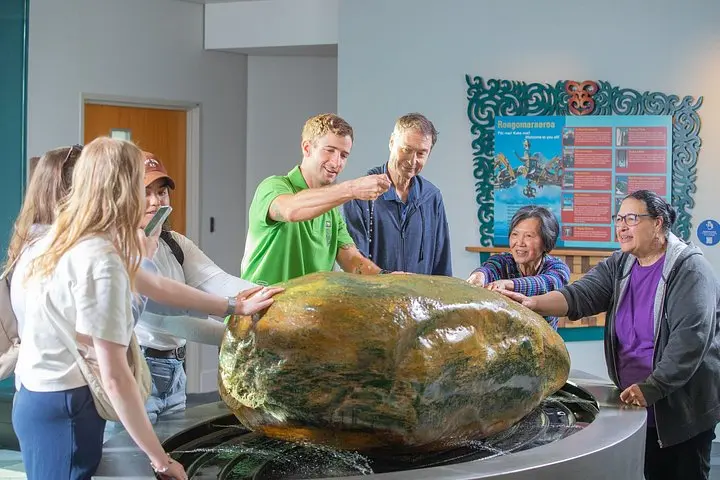
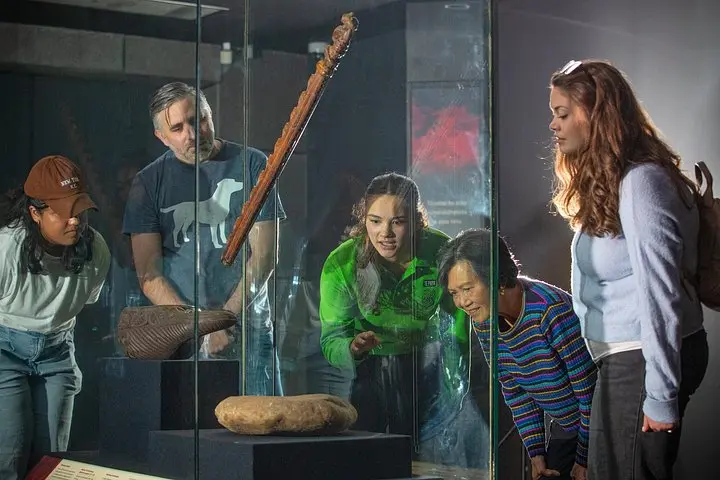
Practical notes arrive as naturally as the displays. Tours run about 60 minutes and are geared to first-time visitors; galleries use interactive technology and accessible ramps, and small-group limits make questions easy. Expect a mix of close-looking (taonga, artifacts) and large-format displays (natural history dioramas, the colossal squid case). Guides point out highlights and explain when cultural protocols apply: pause before entering some Māori display spaces and respect photography guidelines.
For planning: allow extra time after the guided hour to revisit favorites, use the on-site cafés for a quick lunch, and pick quieter times midweek or during morning slots. Bring a light layer for Wellington’s coastal wind and comfortable shoes for standing and moving through multiple floors. This tour is an efficient, informative primer for anyone wanting a grounded introduction to Aotearoa’s people and place.
The guided introduction is 60 minutes; visitors commonly stay after the tour to explore the galleries for another 1–3 hours.
Yes — Te Papa is wheelchair and stroller accessible with ramps and lift access; staff can advise on accessible routes.
Yes — the international visitor entry fee is included with the guided tour ticket; domestic pricing may differ on the operator’s site.
Photography is allowed in many areas, but some taonga and special exhibitions limit photos; follow signage and guide instructions.
Museum of New Zealand Te Papa Tongarewa operates guided outdoor trips and adventures with an emphasis on safety, stewardship, and memorable experiences.
The tour begins on Wellington's wind-scoured waterfront, where the museum's low-profile, modernist façade meets the harbour. Walk through wide public spaces and your guide threads together stories that reach from deep time to living culture: fossilized shorelines, Māori carving, and contemporary Pacific art.
The tour begins on Wellington's wind-scoured waterfront, where the museum's low-profile, modernist façade meets the harbour. Walk through wide public spaces and your guide threads together stories that reach from deep time to living culture: fossilized shorelines, Māori carving, and contemporary Pacific art.
Te Papa opened in 1998 as New Zealand’s national museum, combining natural history, social history and mātauranga Māori under one roof. Geologically, the exhibits trace the nation’s restless origins — tectonic uplift, volcanic arcs and the sediments that shaped the islands. Culturally, the museum foregrounds iwi narratives, weaving Māori perspectives and repatriated taonga alongside colonial-era collections and shifting artistic responses from the South Pacific.
Practical notes arrive as naturally as the displays. Tours run about 60 minutes and are geared to first-time visitors; galleries use interactive technology and accessible ramps, and small-group limits make questions easy. Expect a mix of close-looking (taonga, artifacts) and large-format displays (natural history dioramas, the colossal squid case). Guides point out highlights and explain when cultural protocols apply: pause before entering some Māori display spaces and respect photography guidelines.
For planning: allow extra time after the guided hour to revisit favorites, use the on-site cafés for a quick lunch, and pick quieter times midweek or during morning slots. Bring a light layer for Wellington’s coastal wind and comfortable shoes for standing and moving through multiple floors. This tour is an efficient, informative primer for anyone wanting a grounded introduction to Aotearoa’s people and place.