THE ADVENTURE COLLECTIVE® · Independent discovery and booking for outdoor travel

Experience the thunder and mist of Victoria Falls in a focused three-hour guided tour that visits viewpoints on both the Zimbabwean and Zambian sides. Ideal for photographers and first-time visitors who want local context, confident guides, and convenient hotel pickup.
Experience the thunder and mist of Victoria Falls in a focused three-hour guided tour that visits viewpoints on both the Zimbabwean and Zambian sides. Ideal for photographers and first-time visitors who want local context, confident guides, and convenient hotel pickup.
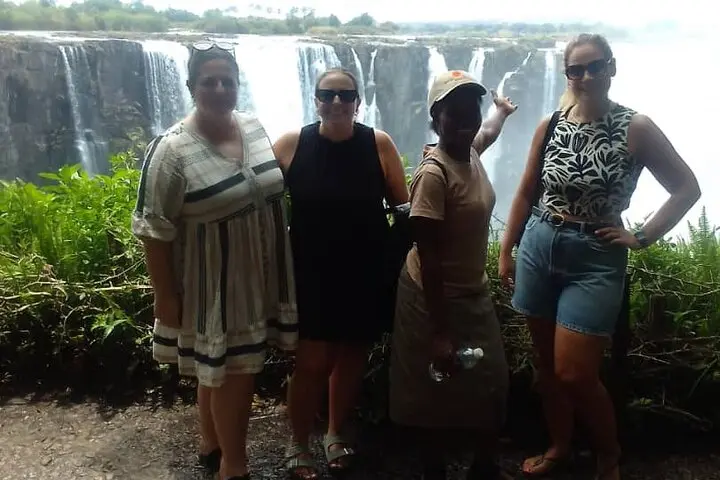
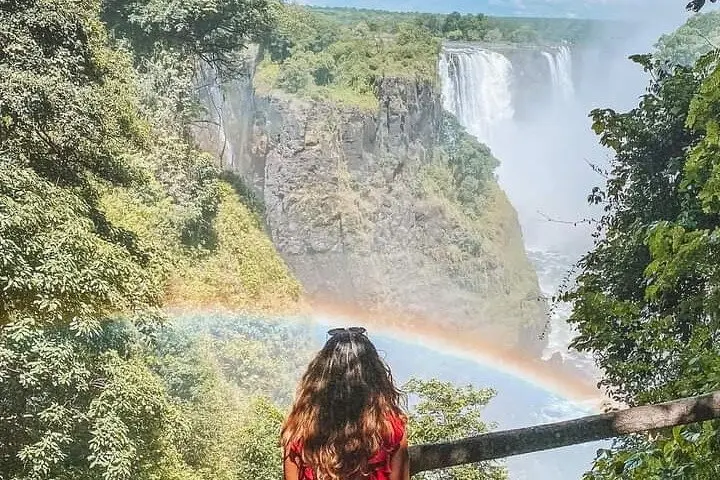
You step onto a rocky rim and the world rearranges—the Zambezi hurls itself over basalt shelves, mist lifts in sheets and rainbows braid the spray. The roar arrives before the view; birds wheel through a permanently damp rainforest that clings to the gorge. On a clear morning the falls demand attention; the river dares you to stand closer and count your heartbeats.
Verified experiences and guided adventures in the surrounding area.
Operated by AFRICAN PHOENIX TOURS AND SAFARIS · Victoria Falls, Matabeleland North
You step onto a rocky rim and the world rearranges—the Zambezi hurls itself over basalt shelves, mist lifts in sheets and rainbows braid the spray. The roar arrives before the view; birds wheel through a permanently damp rainforest that clings to the gorge. On a clear morning the falls demand attention; the river dares you to stand closer and count your heartbeats.
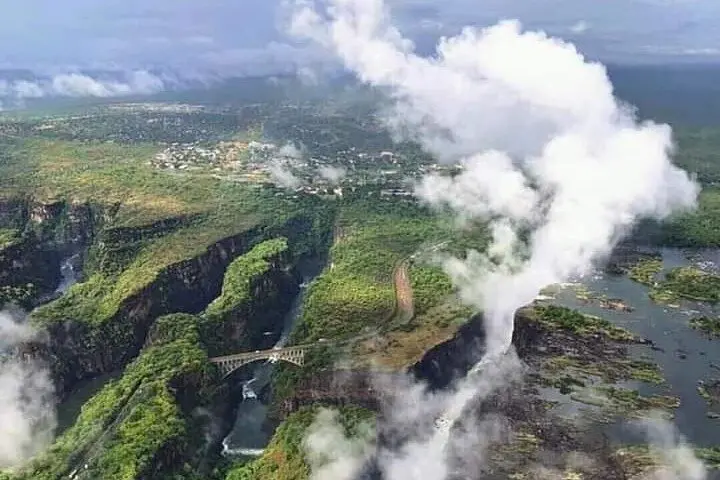
Geology here is blunt: a series of basalt flows cracked into the zigzag gorge that channels the river. European exploration and local histories intersect at this border—David Livingstone reported the fall to the outside world in 1855, while Tonga and Lozi communities have long-standing cultural ties to the river and its fisheries. Botanically, the rainforest corridor around the falls supports ferns, wild figs and a chorus of bird species that guides point out along the trail.
A guided tour that visits both Zimbabwean and Zambian viewpoints gives contrasting perspectives—the Zimbabwe side offers sweeping panoramic catwalks and interpretive signage, the Zambian paths deliver intimate vantage points and rock platforms nearer the water. Tours commonly start early (pickups from hotels around 6:30) to catch cooler light and avoid the busiest hours.
Practical essentials: allow three hours for transit, viewpoints and photography; expect damp conditions and slick stone; wear closed, grippy shoes and a lightweight waterproof layer. Bring ID for cross-border access and a camera protected from spray. Guides typically include bottled water and local expertise on flora, birds and safe viewing zones so you leave informed as well as awed.
Yes, the standard guided itinerary includes viewpoints on both sides; which side you start from depends on where you are staying.
Many paths and viewpoints are wheelchair accessible and the tour lists physical easy status, but terrain can be wet—notify the operator of mobility needs in advance.
The tour description indicates admission is included for the standard itinerary, but confirm at booking and keep local currency handy for any optional fees or activities.
Carry a passport and check visa requirements for your nationality in advance; guides will advise on current entry rules and any paperwork needed.
AFRICAN PHOENIX TOURS AND SAFARIS operates guided outdoor trips and adventures with an emphasis on safety, stewardship, and memorable experiences.
You step onto a rocky rim and the world rearranges—the Zambezi hurls itself over basalt shelves, mist lifts in sheets and rainbows braid the spray. The roar arrives before the view; birds wheel through a permanently damp rainforest that clings to the gorge. On a clear morning the falls demand attention; the river dares you to stand closer and count your heartbeats.
You step onto a rocky rim and the world rearranges—the Zambezi hurls itself over basalt shelves, mist lifts in sheets and rainbows braid the spray. The roar arrives before the view; birds wheel through a permanently damp rainforest that clings to the gorge. On a clear morning the falls demand attention; the river dares you to stand closer and count your heartbeats.
Geology here is blunt: a series of basalt flows cracked into the zigzag gorge that channels the river. European exploration and local histories intersect at this border—David Livingstone reported the fall to the outside world in 1855, while Tonga and Lozi communities have long-standing cultural ties to the river and its fisheries. Botanically, the rainforest corridor around the falls supports ferns, wild figs and a chorus of bird species that guides point out along the trail.
A guided tour that visits both Zimbabwean and Zambian viewpoints gives contrasting perspectives—the Zimbabwe side offers sweeping panoramic catwalks and interpretive signage, the Zambian paths deliver intimate vantage points and rock platforms nearer the water. Tours commonly start early (pickups from hotels around 6:30) to catch cooler light and avoid the busiest hours.
Practical essentials: allow three hours for transit, viewpoints and photography; expect damp conditions and slick stone; wear closed, grippy shoes and a lightweight waterproof layer. Bring ID for cross-border access and a camera protected from spray. Guides typically include bottled water and local expertise on flora, birds and safe viewing zones so you leave informed as well as awed.