THE ADVENTURE COLLECTIVE® · Independent discovery and booking for outdoor travel

Walk into the spray and stand at the lip of one of the world’s largest waterfalls. This three-hour guided tour on the Zimbabwe side combines rainforest viewpoints, local history, and practical insights into seasonal flow and park access.
Walk into the spray and stand at the lip of one of the world’s largest waterfalls. This three-hour guided tour on the Zimbabwe side combines rainforest viewpoints, local history, and practical insights into seasonal flow and park access.
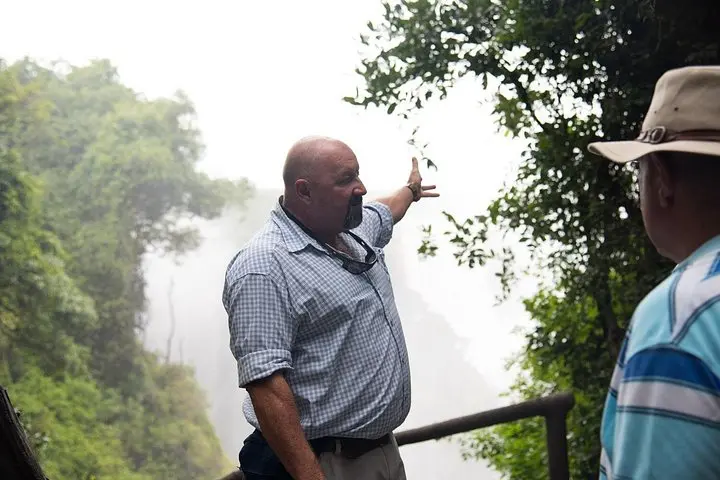
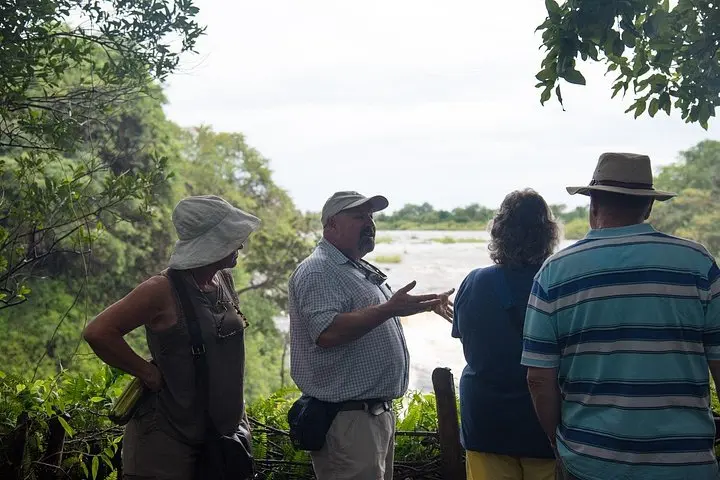
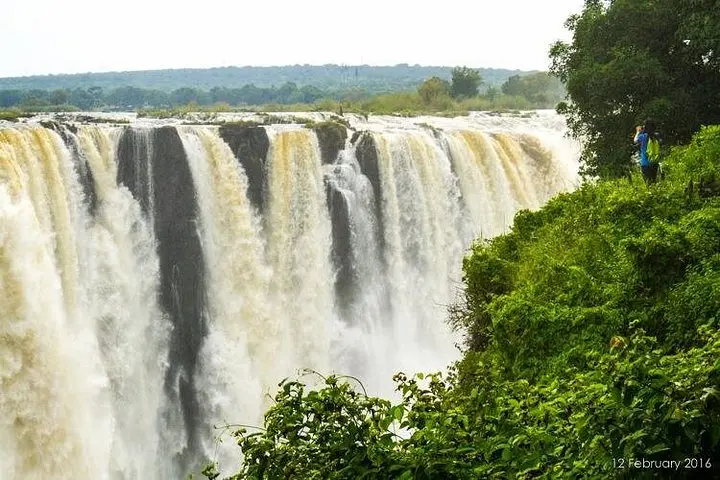
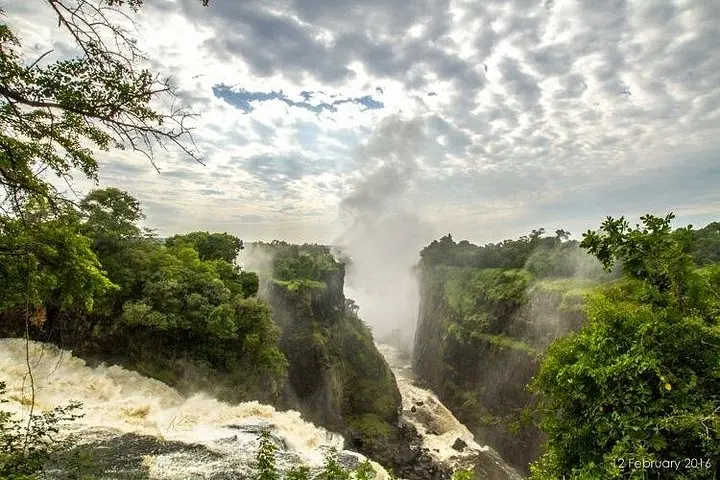
The path narrows and the air changes—fine spray mists your face as the Zambezi roars unseen, then reveals a white curtain spilling 108 meters into the gorge. On the Zimbabwe side, where roughly three-quarters of the falls are visible, a guided three-hour walk threads through a permanent rainforest created by that spray, stopping at a string of viewpoints that frame the Main Falls, Devil's Cataract and the Eastern Cataract.
Verified experiences and guided adventures in the surrounding area.
Operated by To do Africa · Victoria Falls, Matabeleland North
The path narrows and the air changes—fine spray mists your face as the Zambezi roars unseen, then reveals a white curtain spilling 108 meters into the gorge. On the Zimbabwe side, where roughly three-quarters of the falls are visible, a guided three-hour walk threads through a permanent rainforest created by that spray, stopping at a string of viewpoints that frame the Main Falls, Devil's Cataract and the Eastern Cataract.
Geology here is brute and ancient: the basalt plateau split by the Zambezi carved the chasm that makes Victoria Falls one of the world's widest sheets of falling water (about 1.7 km across at high flow). Cultural history sits close by—the local Tonga people long knew this place, and in 1855 David Livingstone introduced it to European maps, calling it Victoria Falls.
Expect dense, wet vegetation, hawking kingfishers and the occasional baboon on the trail. Guides explain how seasonal flow alters what you see and why the rainforest persists year-round in this spray zone.
Practical notes: the tour is about 3 hours and includes hotel pickup and return transfers; national park entry is required but not included. Paths are well maintained but slippery—waterproof layers, a good pair of walking shoes, and a dry bag for electronics will make the difference. Aim for morning light to reduce crowds and get clearer views across the gorge. Carry local currency for park fees and a camera you don’t mind getting damp—this is a sensory, wet, and unforgettable walk along one of Africa’s largest waterfalls.
No, admission to Victoria Falls National Park is required but not included; visitors should purchase entry separately or bring local currency for the fee.
Many viewpoints on the Zimbabwe side are on maintained paths and some areas are wheelchair accessible, but mist and stairs mean assistance may be needed; confirm accessibility options when booking.
Yes—spray from the falls creates a rainforest environment and you should expect to get damp; waterproof clothing and protective covers for electronics are recommended.
Early morning provides clearer light and fewer crowds; high water flow (wet season) produces the most dramatic spray, while low flow (dry season) offers clearer sightlines across the gorge.
To do Africa operates guided outdoor trips and adventures with an emphasis on safety, stewardship, and memorable experiences.
The path narrows and the air changes—fine spray mists your face as the Zambezi roars unseen, then reveals a white curtain spilling 108 meters into the gorge. On the Zimbabwe side, where roughly three-quarters of the falls are visible, a guided three-hour walk threads through a permanent rainforest created by that spray, stopping at a string of viewpoints that frame the Main Falls, Devil's Cataract and the Eastern Cataract.
The path narrows and the air changes—fine spray mists your face as the Zambezi roars unseen, then reveals a white curtain spilling 108 meters into the gorge. On the Zimbabwe side, where roughly three-quarters of the falls are visible, a guided three-hour walk threads through a permanent rainforest created by that spray, stopping at a string of viewpoints that frame the Main Falls, Devil's Cataract and the Eastern Cataract.
Geology here is brute and ancient: the basalt plateau split by the Zambezi carved the chasm that makes Victoria Falls one of the world's widest sheets of falling water (about 1.7 km across at high flow). Cultural history sits close by—the local Tonga people long knew this place, and in 1855 David Livingstone introduced it to European maps, calling it Victoria Falls.
Expect dense, wet vegetation, hawking kingfishers and the occasional baboon on the trail. Guides explain how seasonal flow alters what you see and why the rainforest persists year-round in this spray zone.
Practical notes: the tour is about 3 hours and includes hotel pickup and return transfers; national park entry is required but not included. Paths are well maintained but slippery—waterproof layers, a good pair of walking shoes, and a dry bag for electronics will make the difference. Aim for morning light to reduce crowds and get clearer views across the gorge. Carry local currency for park fees and a camera you don’t mind getting damp—this is a sensory, wet, and unforgettable walk along one of Africa’s largest waterfalls.