THE ADVENTURE COLLECTIVE® · Independent discovery and booking for outdoor travel

Walk the rim of Mosi-oa-Tunya with a Tonga guide who blends geology, culture and local stories. This guided tour offers dramatic viewpoints, a stop at a centuries-old baobab, and practical insights to make the most of Victoria Falls.
Walk the rim of Mosi-oa-Tunya with a Tonga guide who blends geology, culture and local stories. This guided tour offers dramatic viewpoints, a stop at a centuries-old baobab, and practical insights to make the most of Victoria Falls.
Early light catches the spray of Mosi-oa-Tunya and the Zambezi dares you closer—salted mist rising in columns, rainbows pinned to the gorge walls.
Verified experiences and guided adventures in the surrounding area.
Operated by Ms Thelma · Victoria Falls, Matabeleland North
Early light catches the spray of Mosi-oa-Tunya and the Zambezi dares you closer—salted mist rising in columns, rainbows pinned to the gorge walls.
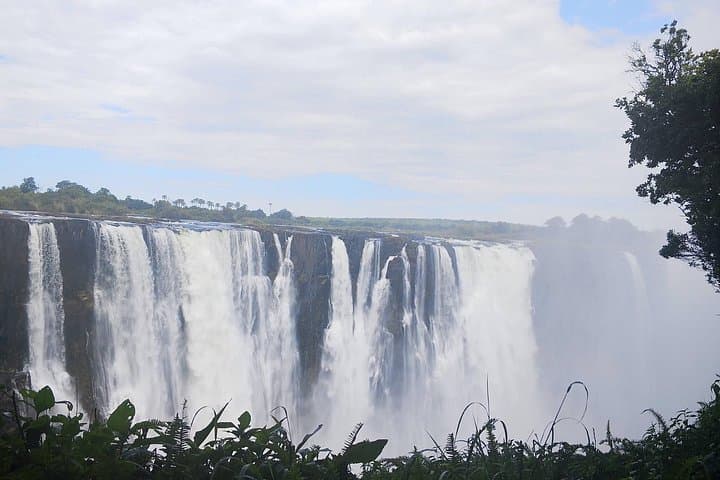
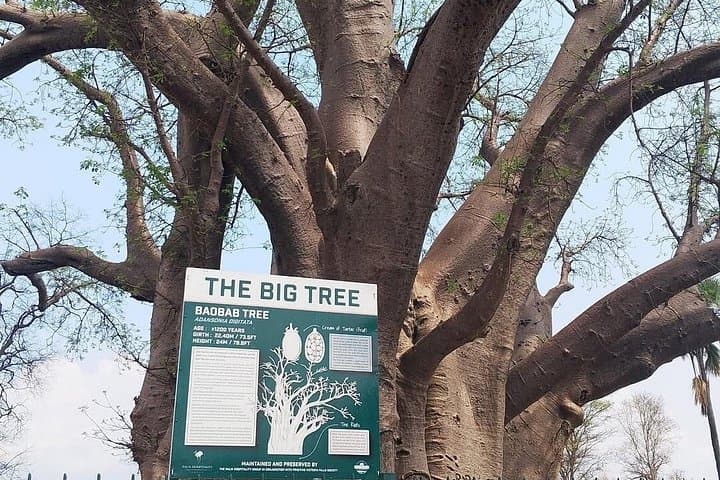
On this guided walk, a local Tonga guide like Thelma leads a steady loop of viewpoints that trace the falls’ 1.7-kilometre curtain and 100+ metre drops, moving at an easy pace that lets you hear the river as much as see it. The walk visits classic lookout points and a quieter stop at a centuries-old baobab—an arboreal witness to the river’s moods and local stories.
Geologically, Victoria Falls sits where the Zambezi forces water across basalt fault lines, carving the zig-zag gorge system that channels thunderous flow. Culturally, the Tonga people hold the falls—Mosi-oa-Tunya—deep in local identity; guide commentary typically blends natural history with oral tradition, giving context to place beyond guidebook facts.
Expect wet rock paths, brief stair sections and sturdy viewing platforms; wildlife is subtle but present—baboons and a variety of birds patrol the rim, hippos lie calmer downstream. Timing matters: high flow months make the falls more dramatic and spray-heavy, low flow months expose more rock and close-up channels.
Practical guidance: wear grippy, waterproof shoes and a light rain shell, protect cameras from spray, and bring a refillable water bottle (bottled water is usually provided). Morning light and quieter paths reward early starts; the full experience is sensory—sound, spray and story—rather than just a photo stop.
The tour typically runs 2–3 hours, covering primary viewpoints and a short cultural stop at the Big Tree.
Park entry fees are often separate from the guiding fee; confirm with the operator and be prepared to pay the national park entrance on arrival.
The route is described as suitable for most fitness levels and is stroller- and wheelchair-accessible at many viewpoints, but some sections have stairs—check specific accessibility needs with the operator.
Late rainy season into autumn (March–May) typically delivers the highest flows and the most spray; low water is usually in September–November, exposing more rock.
Ms Thelma operates guided outdoor trips and adventures with an emphasis on safety, stewardship, and memorable experiences.

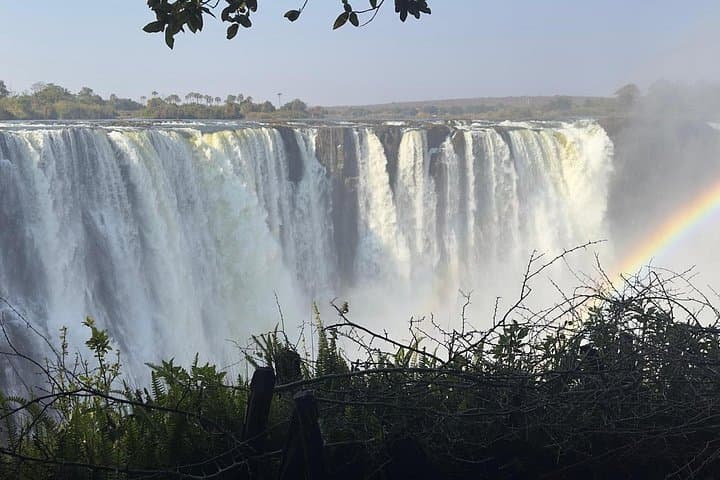
Early light catches the spray of Mosi-oa-Tunya and the Zambezi dares you closer—salted mist rising in columns, rainbows pinned to the gorge walls.
Early light catches the spray of Mosi-oa-Tunya and the Zambezi dares you closer—salted mist rising in columns, rainbows pinned to the gorge walls.
On this guided walk, a local Tonga guide like Thelma leads a steady loop of viewpoints that trace the falls’ 1.7-kilometre curtain and 100+ metre drops, moving at an easy pace that lets you hear the river as much as see it. The walk visits classic lookout points and a quieter stop at a centuries-old baobab—an arboreal witness to the river’s moods and local stories.
Geologically, Victoria Falls sits where the Zambezi forces water across basalt fault lines, carving the zig-zag gorge system that channels thunderous flow. Culturally, the Tonga people hold the falls—Mosi-oa-Tunya—deep in local identity; guide commentary typically blends natural history with oral tradition, giving context to place beyond guidebook facts.
Expect wet rock paths, brief stair sections and sturdy viewing platforms; wildlife is subtle but present—baboons and a variety of birds patrol the rim, hippos lie calmer downstream. Timing matters: high flow months make the falls more dramatic and spray-heavy, low flow months expose more rock and close-up channels.
Practical guidance: wear grippy, waterproof shoes and a light rain shell, protect cameras from spray, and bring a refillable water bottle (bottled water is usually provided). Morning light and quieter paths reward early starts; the full experience is sensory—sound, spray and story—rather than just a photo stop.