THE ADVENTURE COLLECTIVE® · Independent discovery and booking for outdoor travel

Explore the George Brown Darwin Botanic Gardens with a local guide on this focused 2-hour walk. Learn plant history, spot birdlife and discover lesser-known garden corners while gaining practical tips for visiting in Darwin’s tropical climate.
Explore the George Brown Darwin Botanic Gardens with a local guide on this focused 2-hour walk. Learn plant history, spot birdlife and discover lesser-known garden corners while gaining practical tips for visiting in Darwin’s tropical climate.
Stepping through the wrought-iron gates, the air in the George Brown Darwin Botanic Gardens hits you warm and humid, scented with flowering grevilleas and damp leaf mold.
Verified experiences and guided adventures in the surrounding area.
Operated by Walk Darwin Pty Ltd · Darwin, Northern Territory
Stepping through the wrought-iron gates, the air in the George Brown Darwin Botanic Gardens hits you warm and humid, scented with flowering grevilleas and damp leaf mold.
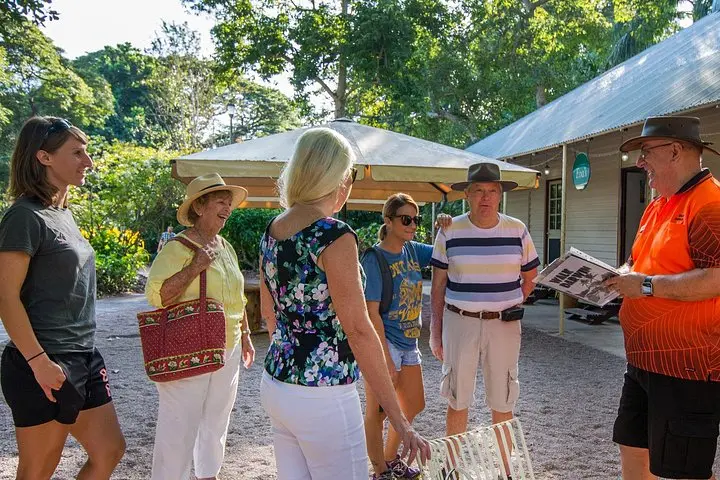
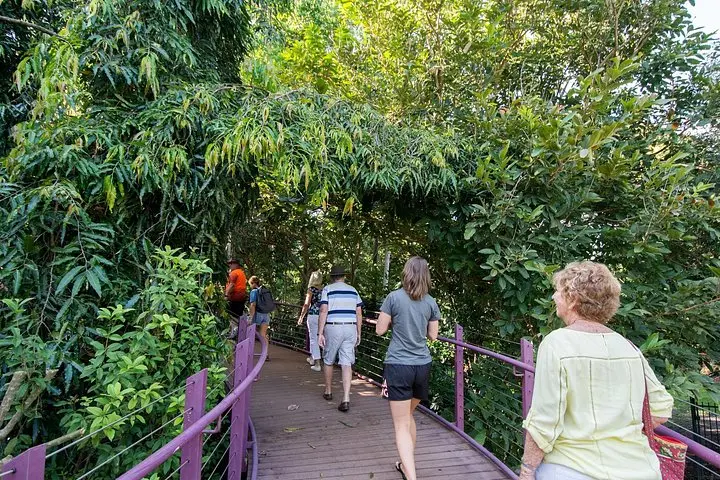
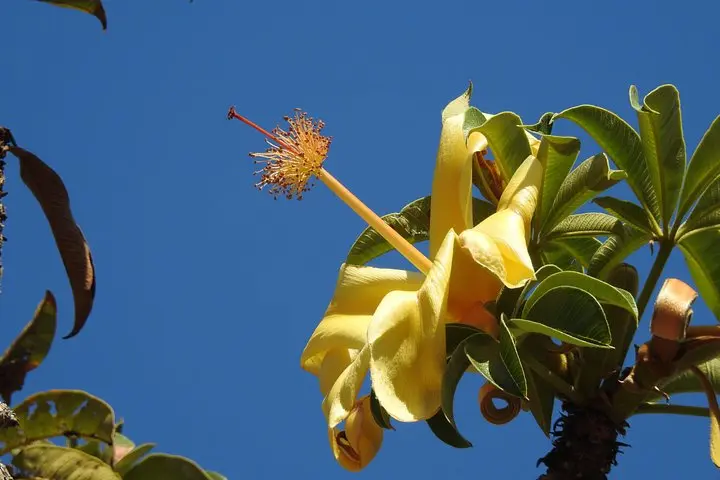
Your local guide leads along shaded paths where pandanus fronds brush your shoulders and the canopy opens to reveal colonies of fruit bats roosting like slow-moving clouds. The walk moves at an inquisitive pace: stops to point out rare cycads, seasonal blooms and the small birds that dart between indigenous and tropical plantings.
The Gardens date to the late 19th century and have been reshaped by Darwin’s boom years and the upheaval of Cyclone Tracy in 1974; remnants of early plantings sit beside modern conservation collections. Geologically the site sits on low coastal plains with sandy, well-draining soils that favor palms, mangrove-edge species and monsoon rainforest pockets. Culturally the Gardens reflect Darwin’s cross-cultural history — plants introduced through trade and Indigenous botanical knowledge applied to land management.
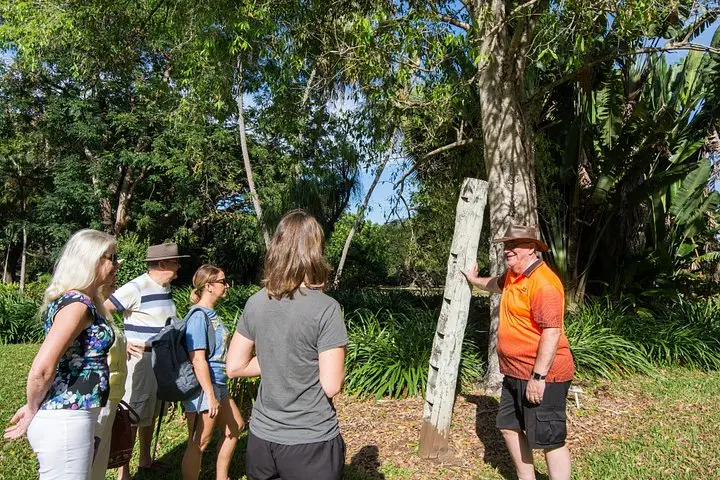
Practically, this is a two-hour guided walk over mostly flat, well-formed paths with regular shade. Expect bird calls, insect chorus and interpretive stops where your guide explains plant uses, seasonal flowering and habitat connections. Bring sun protection, a refillable water bottle and enclosed non-slip walking shoes; mornings are cooler and best for bird activity. The tour operates in most weather, so lightweight rain gear helps in sudden tropical showers. Small groups mean personalized interpretation — come ready to ask questions and leave with a clearer sense of Darwin’s living landscape.
The guided tour lasts approximately two hours and covers the main collections and birding spots within the Gardens.
Yes—children are welcome but must be accompanied by an adult; paths are family-friendly though young children should be supervised near planting beds.
Yes, the Gardens have public restrooms and plenty of shaded paths, but bring water and sun protection for comfort between stops.
Absolutely—photography is encouraged; please avoid disturbing wildlife and stay on designated paths.
Walk Darwin Pty Ltd operates guided outdoor trips and adventures with an emphasis on safety, stewardship, and memorable experiences.
Stepping through the wrought-iron gates, the air in the George Brown Darwin Botanic Gardens hits you warm and humid, scented with flowering grevilleas and damp leaf mold.
Stepping through the wrought-iron gates, the air in the George Brown Darwin Botanic Gardens hits you warm and humid, scented with flowering grevilleas and damp leaf mold.
Your local guide leads along shaded paths where pandanus fronds brush your shoulders and the canopy opens to reveal colonies of fruit bats roosting like slow-moving clouds. The walk moves at an inquisitive pace: stops to point out rare cycads, seasonal blooms and the small birds that dart between indigenous and tropical plantings.
The Gardens date to the late 19th century and have been reshaped by Darwin’s boom years and the upheaval of Cyclone Tracy in 1974; remnants of early plantings sit beside modern conservation collections. Geologically the site sits on low coastal plains with sandy, well-draining soils that favor palms, mangrove-edge species and monsoon rainforest pockets. Culturally the Gardens reflect Darwin’s cross-cultural history — plants introduced through trade and Indigenous botanical knowledge applied to land management.
Practically, this is a two-hour guided walk over mostly flat, well-formed paths with regular shade. Expect bird calls, insect chorus and interpretive stops where your guide explains plant uses, seasonal flowering and habitat connections. Bring sun protection, a refillable water bottle and enclosed non-slip walking shoes; mornings are cooler and best for bird activity. The tour operates in most weather, so lightweight rain gear helps in sudden tropical showers. Small groups mean personalized interpretation — come ready to ask questions and leave with a clearer sense of Darwin’s living landscape.