THE ADVENTURE COLLECTIVE® · Independent discovery and booking for outdoor travel

Walk three Baltic countries in 14 days: cities, national parks and coastal pines linked by trains and easy-to-moderate trails. This guided itinerary blends historic towns with glacial lakes, sandstone valleys and remote peninsulas—ideal for travelers who want firm logistics and steady walking.
Walk three Baltic countries in 14 days: cities, national parks and coastal pines linked by trains and easy-to-moderate trails. This guided itinerary blends historic towns with glacial lakes, sandstone valleys and remote peninsulas—ideal for travelers who want firm logistics and steady walking.
A cold morning fog lifts off Vilnia’s river as a small group assembles for two weeks of walking through cities, lakes and coastal pine. The tour begins with cobbled streets and baroque facades in Vilnius, then moves outward—through Trakai’s island castle, the fir forests of Žemaitija, the sandstone cliffs of Gauja, and finally the shoreline pines and bogs of Lahemaa—each landscape changing the pace and the pulse of the route.
Verified experiences and guided adventures in the surrounding area.
Operated by Travel Addicts Club · Vilnius, Vilnius County
A cold morning fog lifts off Vilnia’s river as a small group assembles for two weeks of walking through cities, lakes and coastal pine. The tour begins with cobbled streets and baroque facades in Vilnius, then moves outward—through Trakai’s island castle, the fir forests of Žemaitija, the sandstone cliffs of Gauja, and finally the shoreline pines and bogs of Lahemaa—each landscape changing the pace and the pulse of the route.
Geology here reads like a slow-motion story: glacial erratics, limestone cliffs cut by river gullies, and post-glacial lakes that still hold the cold memory of the ice. Human history overlaps these landforms—medieval trading towns, marauding dukes, and coastal captain villages that trained generations of sailors. Local culture is compact and tactile: rye breads and karaim kibinai in Trakai, Soviet-era industrial heritage in Riga, and fishing traditions along Estonia’s northern coast.
Practical guidance is straightforward. Expect frequent short transfers by train and private car, daily walks ranging from 3–15 km and multiday sections with easy to moderate terrain. Trails include river valleys, boardwalked bogs and rocky coastal loops; bring boots with good tread and a quick-dry base layer. Days are best started early for cooler walking and clearer light; keep a compact waterproof and a refillable water bottle—shops appear in towns but not on every trail.
As a guided route, maps and local logistics are handled, but stamina and respect for fragile bogs and nesting birds matter. Walk deliberately: rivers will push you forward, pines will shade your pauses, and each capital will remind you why these small countries reward slow travel.
Daily walks range from short city strolls of 2–3 hours (3–7 km) to full-day hikes of 6–8 hours (12–15 km), with options on several days to choose shorter or longer routes.
Yes—intercity transfers and most private transfers are included; participants generally carry daypacks while luggage moves between overnight accommodations.
A moderate level of fitness is recommended: regular walkers who can handle up to 6–8 hours on uneven terrain will be comfortable.
Travelers should ensure passports and any required visas are valid for Lithuania, Latvia and Estonia; EU/Schengen rules apply for many nationalities—check entry requirements before travel.
Travel Addicts Club operates guided outdoor trips and adventures with an emphasis on safety, stewardship, and memorable experiences.
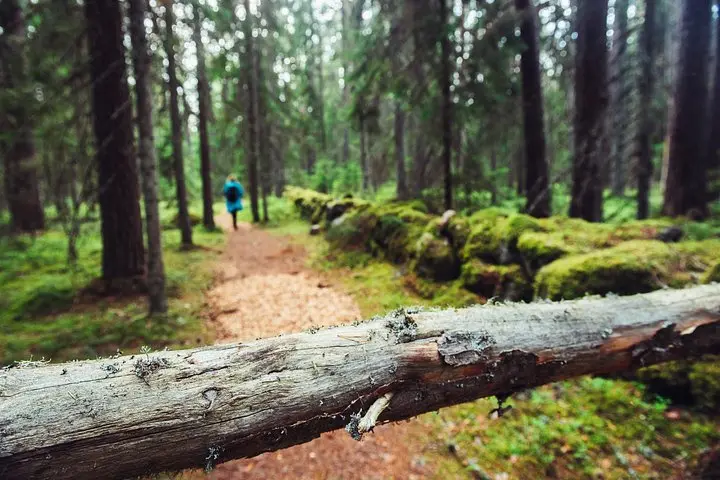
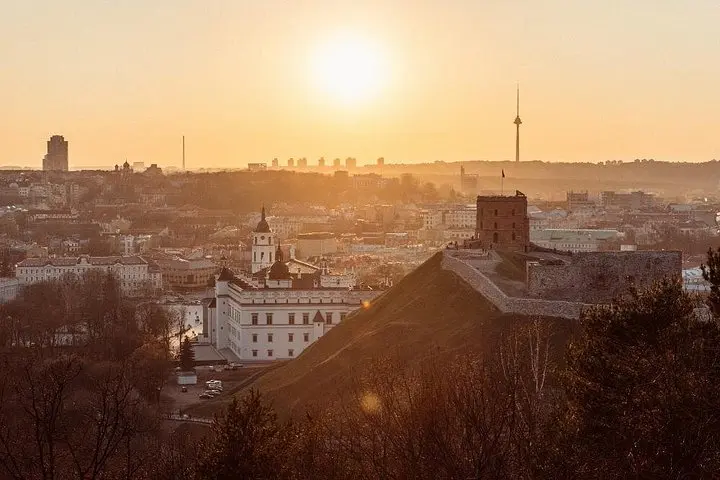
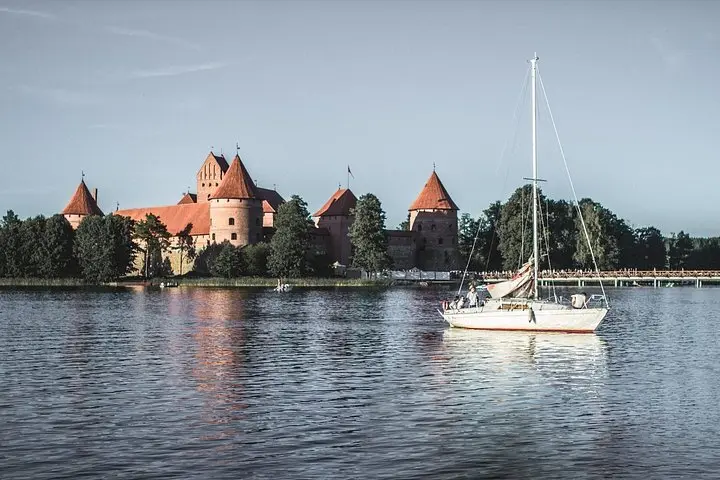
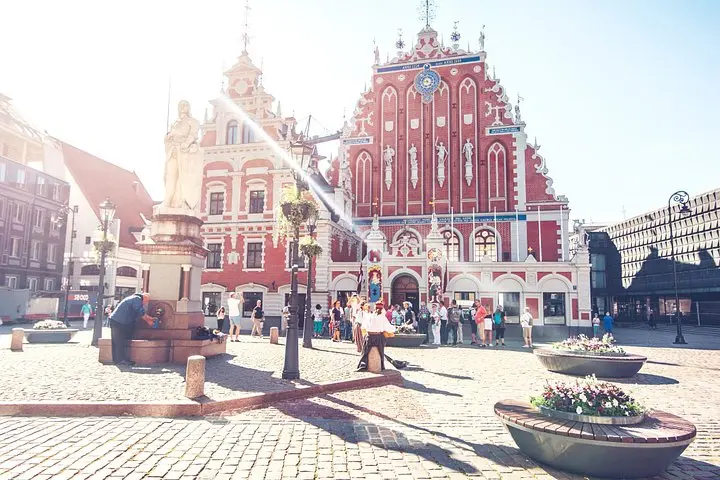
A cold morning fog lifts off Vilnia’s river as a small group assembles for two weeks of walking through cities, lakes and coastal pine. The tour begins with cobbled streets and baroque facades in Vilnius, then moves outward—through Trakai’s island castle, the fir forests of Žemaitija, the sandstone cliffs of Gauja, and finally the shoreline pines and bogs of Lahemaa—each landscape changing the pace and the pulse of the route.
A cold morning fog lifts off Vilnia’s river as a small group assembles for two weeks of walking through cities, lakes and coastal pine. The tour begins with cobbled streets and baroque facades in Vilnius, then moves outward—through Trakai’s island castle, the fir forests of Žemaitija, the sandstone cliffs of Gauja, and finally the shoreline pines and bogs of Lahemaa—each landscape changing the pace and the pulse of the route.
Geology here reads like a slow-motion story: glacial erratics, limestone cliffs cut by river gullies, and post-glacial lakes that still hold the cold memory of the ice. Human history overlaps these landforms—medieval trading towns, marauding dukes, and coastal captain villages that trained generations of sailors. Local culture is compact and tactile: rye breads and karaim kibinai in Trakai, Soviet-era industrial heritage in Riga, and fishing traditions along Estonia’s northern coast.
Practical guidance is straightforward. Expect frequent short transfers by train and private car, daily walks ranging from 3–15 km and multiday sections with easy to moderate terrain. Trails include river valleys, boardwalked bogs and rocky coastal loops; bring boots with good tread and a quick-dry base layer. Days are best started early for cooler walking and clearer light; keep a compact waterproof and a refillable water bottle—shops appear in towns but not on every trail.
As a guided route, maps and local logistics are handled, but stamina and respect for fragile bogs and nesting birds matter. Walk deliberately: rivers will push you forward, pines will shade your pauses, and each capital will remind you why these small countries reward slow travel.