THE ADVENTURE COLLECTIVE® · Independent discovery and booking for outdoor travel

Explore Bonaire’s rugged northwest with a local guide on a full-day tour of Washington Slagbaai National Park. Expect flamingo-lined salt pans, rocky coves for snorkeling, and unpaved roads that cross colonial plantation lands turned protected reserve.
Explore Bonaire’s rugged northwest with a local guide on a full-day tour of Washington Slagbaai National Park. Expect flamingo-lined salt pans, rocky coves for snorkeling, and unpaved roads that cross colonial plantation lands turned protected reserve.
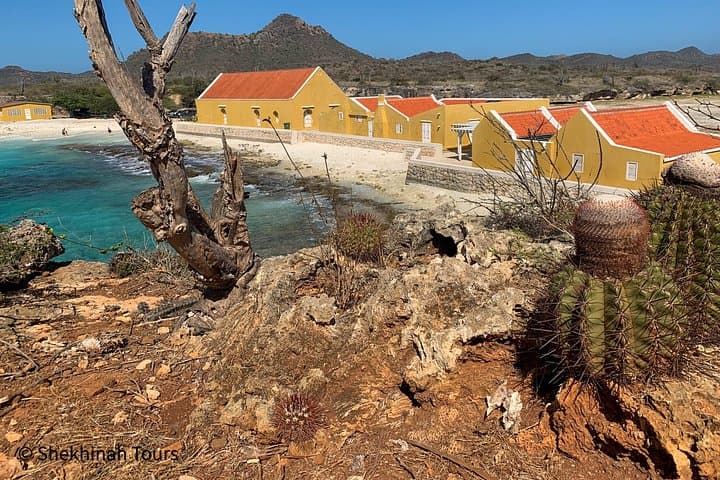
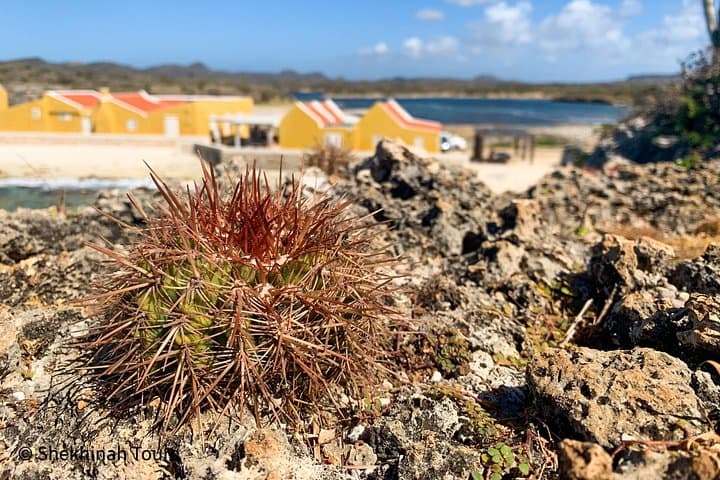
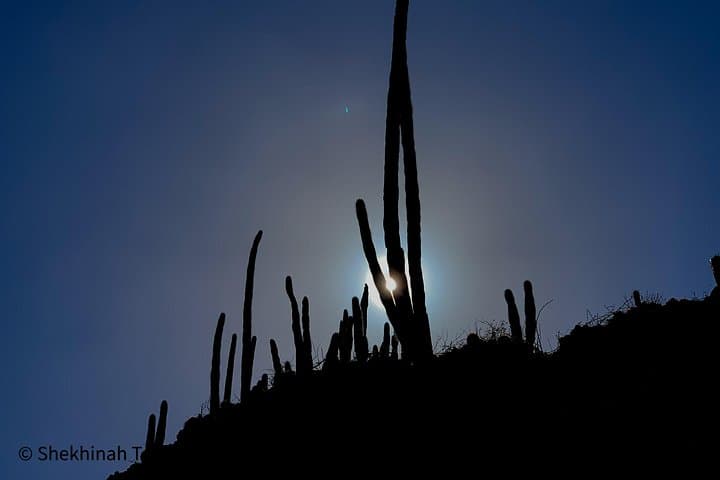
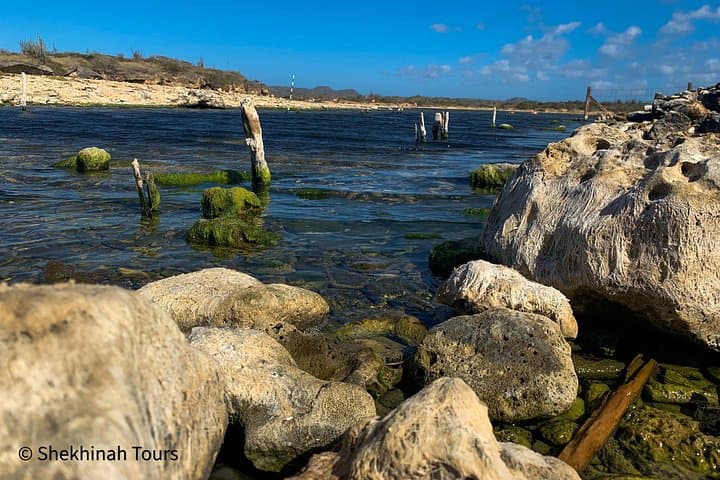
Salt flats shimmer under a low Caribbean sun as a small van bumps along a hard-packed track toward a scrubby ridge. Guides open a gate, and the landscape changes: wind-sculpted cacti, limestone cliffs, and sudden bays where the reef steps down into clear water. On a full-day guided tour of Washington Slagbaai National Park, travelers move through contrasting scenes—pink salt lakes edged by flocks of flamingos, rocky coves alive with reef fish, and quiet watering holes where iguanas sun themselves.
Verified experiences and guided adventures in the surrounding area.
Operated by Shekhinah Tours · Kralendijk, Bonaire
Salt flats shimmer under a low Caribbean sun as a small van bumps along a hard-packed track toward a scrubby ridge. Guides open a gate, and the landscape changes: wind-sculpted cacti, limestone cliffs, and sudden bays where the reef steps down into clear water. On a full-day guided tour of Washington Slagbaai National Park, travelers move through contrasting scenes—pink salt lakes edged by flocks of flamingos, rocky coves alive with reef fish, and quiet watering holes where iguanas sun themselves.
The park sits on land once used by the Caiquetio Arawak people and later parceled into colonial plantations at Slagbaai. Established in 1969 as the island’s first nature reserve, it protects coastal terraces of limestone and volcanic outcrops that frame some of Bonaire’s most accessible shore snorkeling. Local culture shows in roadside goat corrals and small ranches; the park remains both a wildlife refuge and a window into colonial agricultural history.
Practically, expect unpaved roads, occasional dust, and short walks to viewpoints and beaches. Tours commonly include snorkel stops—gear is often provided—and a simple local lunch. Bring sun protection, plenty of water, and water shoes for rocky shore entries. The park opens 08:00 with last entry typically mid-afternoon, so an early start gives cooler light and quieter wildlife. Guides tailor the itinerary to conditions and guest interests, balancing short hikes, photo stops, and snorkeling windows.
For visitors wanting a compact introduction to Bonaire’s wild northwest, a guided Washington Park tour pairs natural variety with local context and practical logistics.
The tour is typically five hours and includes transport from most hotels, a local lunch, bottled water and soft drinks, snorkel gear, and a guided drive through the park with stops for wildlife and beaches.
This operator advises the tour is not recommended for typical cruise schedules because the park is extensive; exceptions may be possible for late-evening ship departures if arranged in advance.
Park admission policies can vary; confirm at booking—children under 12 usually have free entry to the Visitor Centre and park in many instances.
Roads inside Washington Slagbaai are unpaved and can be bumpy; vehicles are typically vans or pick-ups adapted for light off-road driving.
Shekhinah Tours operates guided outdoor trips and adventures with an emphasis on safety, stewardship, and memorable experiences.
Salt flats shimmer under a low Caribbean sun as a small van bumps along a hard-packed track toward a scrubby ridge. Guides open a gate, and the landscape changes: wind-sculpted cacti, limestone cliffs, and sudden bays where the reef steps down into clear water. On a full-day guided tour of Washington Slagbaai National Park, travelers move through contrasting scenes—pink salt lakes edged by flocks of flamingos, rocky coves alive with reef fish, and quiet watering holes where iguanas sun themselves.
Salt flats shimmer under a low Caribbean sun as a small van bumps along a hard-packed track toward a scrubby ridge. Guides open a gate, and the landscape changes: wind-sculpted cacti, limestone cliffs, and sudden bays where the reef steps down into clear water. On a full-day guided tour of Washington Slagbaai National Park, travelers move through contrasting scenes—pink salt lakes edged by flocks of flamingos, rocky coves alive with reef fish, and quiet watering holes where iguanas sun themselves.
The park sits on land once used by the Caiquetio Arawak people and later parceled into colonial plantations at Slagbaai. Established in 1969 as the island’s first nature reserve, it protects coastal terraces of limestone and volcanic outcrops that frame some of Bonaire’s most accessible shore snorkeling. Local culture shows in roadside goat corrals and small ranches; the park remains both a wildlife refuge and a window into colonial agricultural history.
Practically, expect unpaved roads, occasional dust, and short walks to viewpoints and beaches. Tours commonly include snorkel stops—gear is often provided—and a simple local lunch. Bring sun protection, plenty of water, and water shoes for rocky shore entries. The park opens 08:00 with last entry typically mid-afternoon, so an early start gives cooler light and quieter wildlife. Guides tailor the itinerary to conditions and guest interests, balancing short hikes, photo stops, and snorkeling windows.
For visitors wanting a compact introduction to Bonaire’s wild northwest, a guided Washington Park tour pairs natural variety with local context and practical logistics.