THE ADVENTURE COLLECTIVE® · Independent discovery and booking for outdoor travel

Small-group wildlife walks across Kos Island led by a biologist; ideal for birdwatching and ethical animal photography. Best before June and after mid‑September when wetlands and scrub are most productive.
Small-group wildlife walks across Kos Island led by a biologist; ideal for birdwatching and ethical animal photography. Best before June and after mid‑September when wetlands and scrub are most productive.
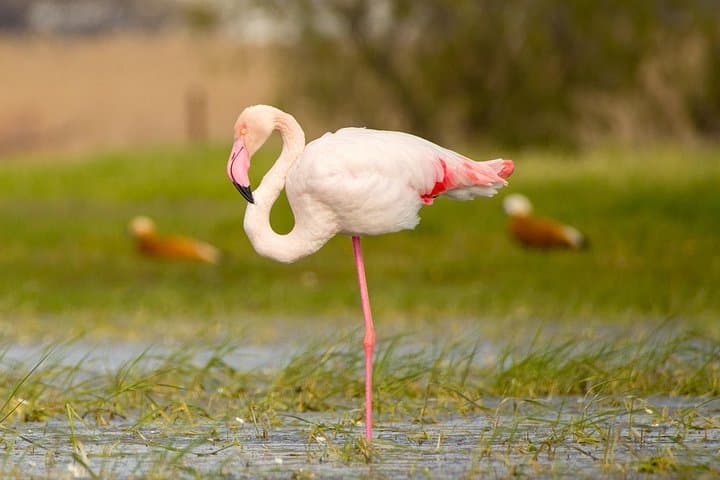
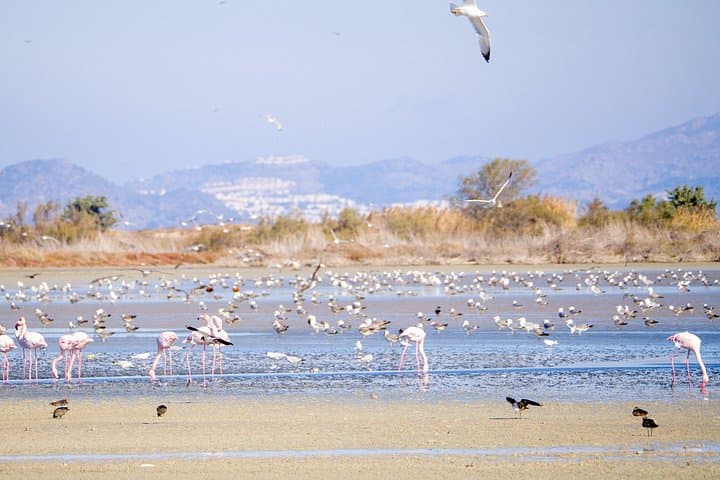
A low, salt-tinged wind moves through the scrub as you and a small group step onto a sun-warmed path on Kos. George, a biologist and ethical guide, scans a fence line and gestures toward a flash of color in the tamarisk: a European bee-eater alights, bold and brief. The island’s mornings reward the patient — reeds whisper, lizards flicker over limestone, and coastal lagoons hold quiet concentrations of shorebirds.
Verified experiences and guided adventures in the surrounding area.
Operated by George Schnipper · Kos Town, South Aegean
A low, salt-tinged wind moves through the scrub as you and a small group step onto a sun-warmed path on Kos. George, a biologist and ethical guide, scans a fence line and gestures toward a flash of color in the tamarisk: a European bee-eater alights, bold and brief. The island’s mornings reward the patient — reeds whisper, lizards flicker over limestone, and coastal lagoons hold quiet concentrations of shorebirds.
Kos sits in the Dodecanese chain where human history meets Aegean geology: volcanic islands nearby, limestone plains on Kos, and a farming culture shaped by olives, figs and centuries of shepherding. Hippocratic ideas of natural observation were born here; today that curiosity is practical — watching migration corridors, coastal wetlands and the scrubby foothills where reptiles and passerines concentrate.
Walks are flexible and location-driven: salt pans, olive groves and dune-fringed wetlands depending on season and sightings. Expect easy terrain — dirt tracks, short rocky sections and field edges — and photographic opportunities at close to eye level rather than from high lookout points. George emphasizes minimal disturbance, slow approaches and ethical photography.
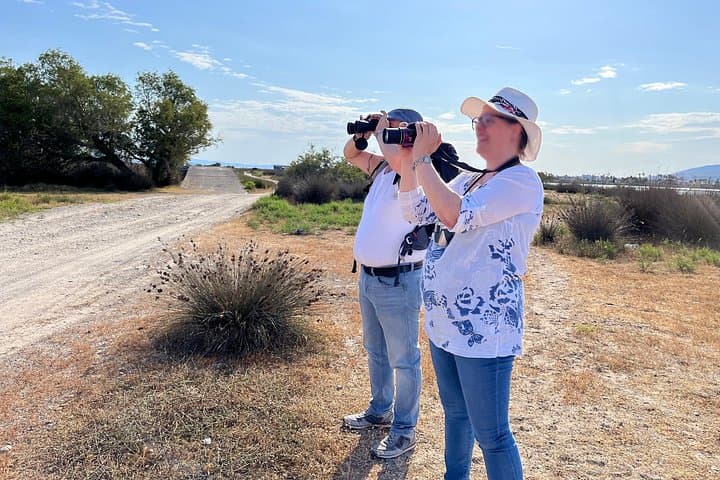
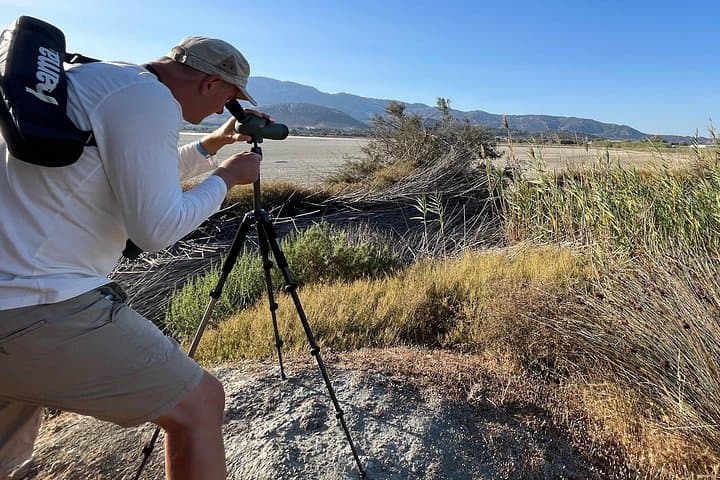
Practical notes: these are two-hour, low-intensity outings best taken early when light and activity peak. Visit before June or after mid-September for richest wildlife; summer heat dries wetlands and reduces sightings. Bring a long lens or use binoculars (often provided), sun protection, plenty of water and quiet patience. Book directly with the guide by message or email — trips are tip-based and run small to protect habitat and improve encounters.
Bookings are handled directly with the guide via message or email — trips are now free/tip-based and not accepted through third-party OTAs.
Before June and after mid‑September are best; summer often dries wetlands and reduces sightings.
Wear sturdy shoes, sun protection, and bring water; binoculars and a camera with a telephoto lens are recommended.
Yes — walks are easy and designed for all fitness levels; routes and pace can be adjusted for families.
George Schnipper operates guided outdoor trips and adventures with an emphasis on safety, stewardship, and memorable experiences.
A low, salt-tinged wind moves through the scrub as you and a small group step onto a sun-warmed path on Kos. George, a biologist and ethical guide, scans a fence line and gestures toward a flash of color in the tamarisk: a European bee-eater alights, bold and brief. The island’s mornings reward the patient — reeds whisper, lizards flicker over limestone, and coastal lagoons hold quiet concentrations of shorebirds.
A low, salt-tinged wind moves through the scrub as you and a small group step onto a sun-warmed path on Kos. George, a biologist and ethical guide, scans a fence line and gestures toward a flash of color in the tamarisk: a European bee-eater alights, bold and brief. The island’s mornings reward the patient — reeds whisper, lizards flicker over limestone, and coastal lagoons hold quiet concentrations of shorebirds.
Kos sits in the Dodecanese chain where human history meets Aegean geology: volcanic islands nearby, limestone plains on Kos, and a farming culture shaped by olives, figs and centuries of shepherding. Hippocratic ideas of natural observation were born here; today that curiosity is practical — watching migration corridors, coastal wetlands and the scrubby foothills where reptiles and passerines concentrate.
Walks are flexible and location-driven: salt pans, olive groves and dune-fringed wetlands depending on season and sightings. Expect easy terrain — dirt tracks, short rocky sections and field edges — and photographic opportunities at close to eye level rather than from high lookout points. George emphasizes minimal disturbance, slow approaches and ethical photography.
Practical notes: these are two-hour, low-intensity outings best taken early when light and activity peak. Visit before June or after mid-September for richest wildlife; summer heat dries wetlands and reduces sightings. Bring a long lens or use binoculars (often provided), sun protection, plenty of water and quiet patience. Book directly with the guide by message or email — trips are tip-based and run small to protect habitat and improve encounters.