THE ADVENTURE COLLECTIVE® · Independent discovery and booking for outdoor travel

Walk steep, schist-lined slopes with a château winemaker, tour the village cellar and taste barrel- and amphora-aged wines. This guided visit explains Faugères’ soils, methods and the practical steps from grape to glass.
Walk steep, schist-lined slopes with a château winemaker, tour the village cellar and taste barrel- and amphora-aged wines. This guided visit explains Faugères’ soils, methods and the practical steps from grape to glass.
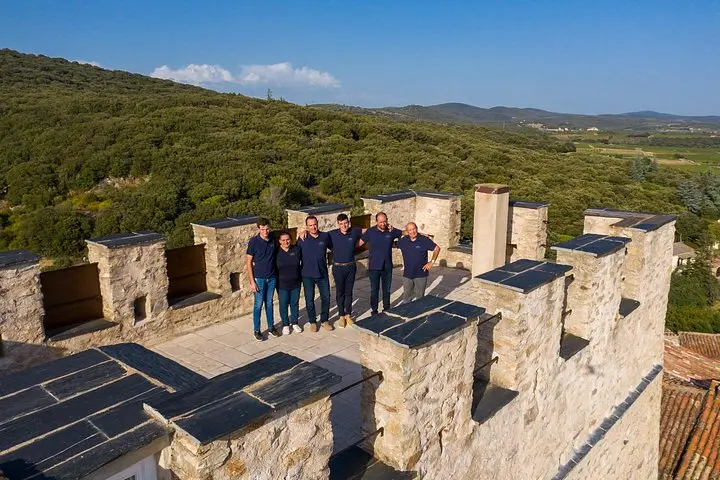
You arrive through a courtyard of stone and clipped vines; the sun leans on terraced hills and the air smells of warm earth and crushed grape skins. A château guide — one of the estate’s winegrowers — meets you and leads the group up steep, south-facing slopes where gnarled vines lean like old hands over schist and red clay.
Verified experiences and guided adventures in the surrounding area.
Operated by Château Chênaie · Caussiniojouls, Occitanie
You arrive through a courtyard of stone and clipped vines; the sun leans on terraced hills and the air smells of warm earth and crushed grape skins. A château guide — one of the estate’s winegrowers — meets you and leads the group up steep, south-facing slopes where gnarled vines lean like old hands over schist and red clay.
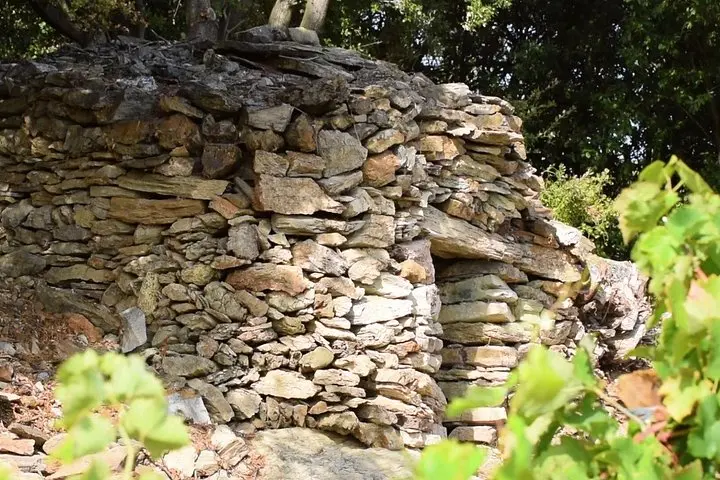
This part of Faugères sits on a patchwork of schist and mica-rich soils carved by millennia of Mediterranean rains. The AOP’s history goes back centuries: small family domaines worked these terraces long before modern oenology, and amphorae and barrel cellars recorded shifts in technique as much as taste. Culture here is practical: harvests are community events and tasting is both craft lesson and convivial ritual.
Expect three clear phases: a vineyard walk to explain pruning and terroir, a stop in the village cellar to see production equipment, and a tasting in the château’s old cellars among barrels and amphorae. The pace is deliberate; the winemaker points out vine training, explains fermentation choices and pours four to six wines while discussing aging and pairing.
Practical notes: the tour runs about 1 hour 45 minutes, groups are kept small (up to 20), and every participant must arrive by car via paved roads. The visit is wheelchair-accessible and suitable for all fitness levels, but wear sturdy shoes for uneven courtyard stones and bring water if it’s hot. For anyone curious about how place shapes a bottle, this tour unpacks technique, terrain and taste in one readable route from vine to glass.
The guided visit lasts about 1 hour 45 minutes and includes vineyard time, a village cellar stop and a tasting in the château cellars.
Infants and small children can attend; the property is wheelchair-accessible and surfaces are designed for accessibility, but confirm any special needs when booking.
Yes — each participant is expected to drive to the vineyard; roads are paved but rural, and public transit options are limited.
The tasting typically covers four to six estate wines, including barrel- and amphora-aged examples; alcoholic tastings are for guests 18 and over and food is not usually included unless specified.
Château Chênaie operates guided outdoor trips and adventures with an emphasis on safety, stewardship, and memorable experiences.
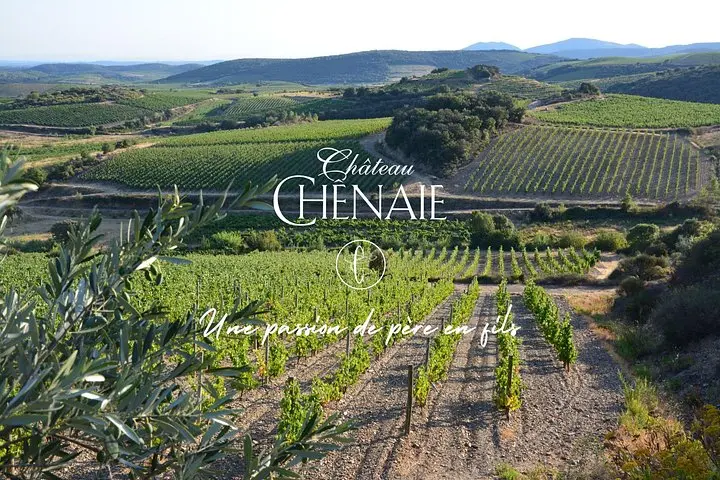
You arrive through a courtyard of stone and clipped vines; the sun leans on terraced hills and the air smells of warm earth and crushed grape skins. A château guide — one of the estate’s winegrowers — meets you and leads the group up steep, south-facing slopes where gnarled vines lean like old hands over schist and red clay.
You arrive through a courtyard of stone and clipped vines; the sun leans on terraced hills and the air smells of warm earth and crushed grape skins. A château guide — one of the estate’s winegrowers — meets you and leads the group up steep, south-facing slopes where gnarled vines lean like old hands over schist and red clay.
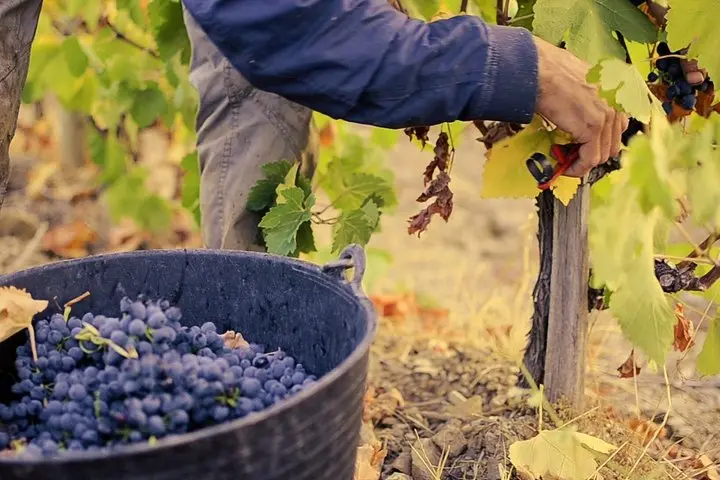
This part of Faugères sits on a patchwork of schist and mica-rich soils carved by millennia of Mediterranean rains. The AOP’s history goes back centuries: small family domaines worked these terraces long before modern oenology, and amphorae and barrel cellars recorded shifts in technique as much as taste. Culture here is practical: harvests are community events and tasting is both craft lesson and convivial ritual.
Expect three clear phases: a vineyard walk to explain pruning and terroir, a stop in the village cellar to see production equipment, and a tasting in the château’s old cellars among barrels and amphorae. The pace is deliberate; the winemaker points out vine training, explains fermentation choices and pours four to six wines while discussing aging and pairing.
Practical notes: the tour runs about 1 hour 45 minutes, groups are kept small (up to 20), and every participant must arrive by car via paved roads. The visit is wheelchair-accessible and suitable for all fitness levels, but wear sturdy shoes for uneven courtyard stones and bring water if it’s hot. For anyone curious about how place shapes a bottle, this tour unpacks technique, terrain and taste in one readable route from vine to glass.