THE ADVENTURE COLLECTIVE® · Independent discovery and booking for outdoor travel

Leave the pullouts behind and spend a day exploring Yellowstone’s quieter places—Lamar Valley, Fairy Falls and the Grand Canyon—on a guided, customizable hike. Expect long views, wildlife clues, and a guide who reads the land like a map.
Leave the pullouts behind and spend a day exploring Yellowstone’s quieter places—Lamar Valley, Fairy Falls and the Grand Canyon—on a guided, customizable hike. Expect long views, wildlife clues, and a guide who reads the land like a map.
A morning in Yellowstone starts with a small white van rolling past the town of Gardiner and out under an enormous Montana sky. The guide opens a map, but the plan is elastic: one day might thread quiet meadows where bison graze like punctuation, another might climb toward a waterfall or hold a quiet vigil in Lamar Valley where wolves are known to pass. The air smells of sage and river moss; the landscape stretches wide enough that even silence feels like part of the scenery.
Verified experiences and guided adventures in the surrounding area.
Operated by Yellowstone Country Explorers · Gardiner, Montana
A morning in Yellowstone starts with a small white van rolling past the town of Gardiner and out under an enormous Montana sky. The guide opens a map, but the plan is elastic: one day might thread quiet meadows where bison graze like punctuation, another might climb toward a waterfall or hold a quiet vigil in Lamar Valley where wolves are known to pass. The air smells of sage and river moss; the landscape stretches wide enough that even silence feels like part of the scenery.
This is a customized, full-day hiking experience aimed at getting visitors beyond the roadside viewpoints that most travelers never leave. Guides lean on decades of park knowledge to show ecological clues—beaver-cut willows, elk bedding areas, and bird nests tucked against cliff ledges—while explaining the park’s deep-time story. Yellowstone sits atop a volcanic caldera; the same geologic heat that shapes the geysers carved the canyon walls where iron- and sulfur-rich rocks flare yellow and orange. Culturally, the park has been a crossroads for Indigenous peoples for thousands of years and a national park since 1872, a place where conservation debates and visitor care have long been tied to the land.
Typical stops on the itinerary include Lamar Valley for open-grass wildlife viewing, the Grand Canyon of the Yellowstone for dramatic overlooks and wall color, and Fairy Falls—a 200-foot cascade that douses its trail in cool spray. Hikes are tailored to fitness and interest: expect 6–10 miles over the day, with up to 900 feet of cumulative elevation gain on steeper options. Terrain varies from compact dirt singletrack to forested walking and short stretches of boardwalk near thermal zones; guides avoid fragile geothermal ground and brief adventurers on proper distance from wildlife.
Practical advice: start early to take advantage of low-angle light and quieter trails; bring layered clothing—the temperature can swing 30 degrees—and a full liter of water per 2–3 hours of hiking. Bear spray is strongly recommended and carried by guides; follow their instructions on group spacing and animal encounters. Footwear should be sturdy with tread for wet rocks near falls. Photography thrives in the first and last hours of daylight; keep telephoto lenses handy for wildlife and wide angles for canyon vistas.
This is a day designed for curiosity. It’s active but accessible—an invitation to step away from pullover viewpoints and learn how the park’s species, rocks, and climate fit together in plain view under those big skies.
Pickups are available in Gardiner and nearby hotels; the tour returns to the original pickup points by late afternoon.
Yes—routes are tailored to ability; let the operator know ages and mobility so guides can plan appropriate mileage and pace.
National Park entrance fees are not included; guides will advise on gate logistics—many itineraries start after entering via the north entrance at Gardiner.
Common sightings include bison, elk, pronghorn and frequent birdlife; wolves and bears are possible but sightings cannot be guaranteed.
Tours may be modified or canceled in hazardous weather; come prepared with waterproof layers—guides monitor conditions and make safety calls.
Restroom access is at trailheads and visitor areas; expect basic facilities or vault toilets at common stops and none in remote stretches.
Yellowstone Country Explorers operates guided outdoor trips and adventures with an emphasis on safety, stewardship, and memorable experiences.
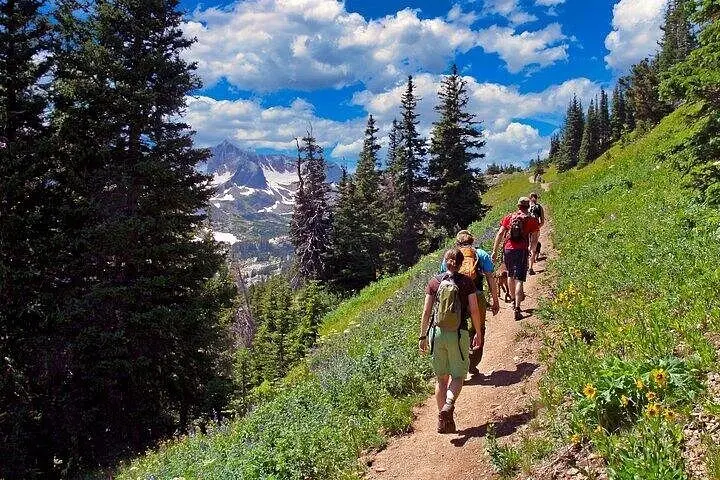
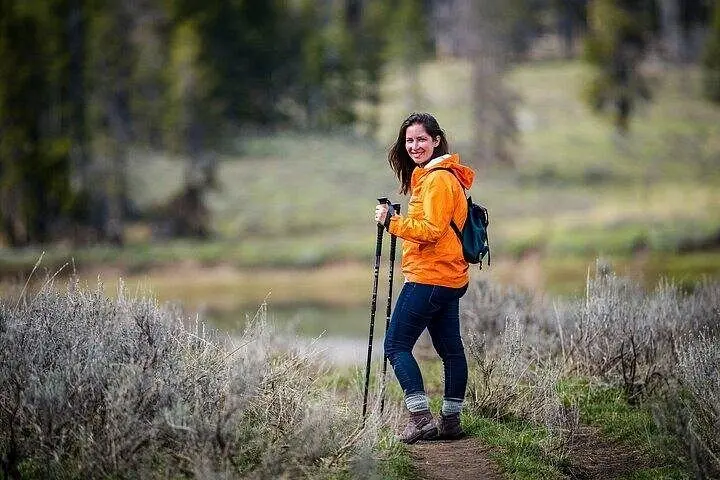

A morning in Yellowstone starts with a small white van rolling past the town of Gardiner and out under an enormous Montana sky. The guide opens a map, but the plan is elastic: one day might thread quiet meadows where bison graze like punctuation, another might climb toward a waterfall or hold a quiet vigil in Lamar Valley where wolves are known to pass. The air smells of sage and river moss; the landscape stretches wide enough that even silence feels like part of the scenery.
A morning in Yellowstone starts with a small white van rolling past the town of Gardiner and out under an enormous Montana sky. The guide opens a map, but the plan is elastic: one day might thread quiet meadows where bison graze like punctuation, another might climb toward a waterfall or hold a quiet vigil in Lamar Valley where wolves are known to pass. The air smells of sage and river moss; the landscape stretches wide enough that even silence feels like part of the scenery.
This is a customized, full-day hiking experience aimed at getting visitors beyond the roadside viewpoints that most travelers never leave. Guides lean on decades of park knowledge to show ecological clues—beaver-cut willows, elk bedding areas, and bird nests tucked against cliff ledges—while explaining the park’s deep-time story. Yellowstone sits atop a volcanic caldera; the same geologic heat that shapes the geysers carved the canyon walls where iron- and sulfur-rich rocks flare yellow and orange. Culturally, the park has been a crossroads for Indigenous peoples for thousands of years and a national park since 1872, a place where conservation debates and visitor care have long been tied to the land.
Typical stops on the itinerary include Lamar Valley for open-grass wildlife viewing, the Grand Canyon of the Yellowstone for dramatic overlooks and wall color, and Fairy Falls—a 200-foot cascade that douses its trail in cool spray. Hikes are tailored to fitness and interest: expect 6–10 miles over the day, with up to 900 feet of cumulative elevation gain on steeper options. Terrain varies from compact dirt singletrack to forested walking and short stretches of boardwalk near thermal zones; guides avoid fragile geothermal ground and brief adventurers on proper distance from wildlife.
Practical advice: start early to take advantage of low-angle light and quieter trails; bring layered clothing—the temperature can swing 30 degrees—and a full liter of water per 2–3 hours of hiking. Bear spray is strongly recommended and carried by guides; follow their instructions on group spacing and animal encounters. Footwear should be sturdy with tread for wet rocks near falls. Photography thrives in the first and last hours of daylight; keep telephoto lenses handy for wildlife and wide angles for canyon vistas.
This is a day designed for curiosity. It’s active but accessible—an invitation to step away from pullover viewpoints and learn how the park’s species, rocks, and climate fit together in plain view under those big skies.