THE ADVENTURE COLLECTIVE® · Independent discovery and booking for outdoor travel

A compact, private day tour that combines Guilin’s famous Reed Flute Cave, panoramic Yao Mountain views and the preserved lanes of Daxu Old Town. Expect cave passages, a mountain cable car option, riverside streets and cultural market scenes—all in one 7‑hour outing.
A compact, private day tour that combines Guilin’s famous Reed Flute Cave, panoramic Yao Mountain views and the preserved lanes of Daxu Old Town. Expect cave passages, a mountain cable car option, riverside streets and cultural market scenes—all in one 7‑hour outing.
You step out of an air-conditioned van into a cool, echoing chamber where colored lights trace the ribs of limestone—Reed Flute Cave greets you like an underground city carved over millennia. Later, a cable car lifts you above tea terraces and karst pinnacles on Yao Mountain; the wind seems determined to push you toward the summit view. By midday the Lijiang River slows in front of Daxu Old Town, where bluestone streets and wooden storefronts keep the market rhythms of Ming-era commerce alive.
Verified experiences and guided adventures in the surrounding area.
Operated by happychinatours · Guilin, Guangxi
You step out of an air-conditioned van into a cool, echoing chamber where colored lights trace the ribs of limestone—Reed Flute Cave greets you like an underground city carved over millennia. Later, a cable car lifts you above tea terraces and karst pinnacles on Yao Mountain; the wind seems determined to push you toward the summit view. By midday the Lijiang River slows in front of Daxu Old Town, where bluestone streets and wooden storefronts keep the market rhythms of Ming-era commerce alive.
Geology here is the story: Guilin’s karst towers evolved from marine limestone uplifted and sculpted by rain and time, producing vertical cliffs, stalactites and pillars in the cave that take on uncanny forms when lit. Culturally, Daxu preserves rural trade practices and local crafts—calligraphy shops and bamboo workshops still operate where Ming traders once bartered.
Expect an easy but full day: roughly 6–8 hours of movement, short walks on uneven cave paths, a cable car option for Yao Mountain, and cobbled streets in Daxu. Bring water, a compact rain layer and comfortable shoes for slick stone steps. Photography is excellent—use a tripod or steady hand for low-light cave shots and wide lenses for mountain panoramas.
Timing matters: morning light on the river and afternoon haze over the karst each offer different moods. Stay on marked trails to protect fragile cave formations and local vegetation; these landscapes recover slowly from foot traffic. The day balances spectacle with walkable exploration—accessible to most travelers who can manage stairs and short hikes.
The tour offers the cable car as an option at Yao Mountain; confirm with your operator whether cable car tickets are included or available for an additional fee.
Walkways inside the cave are well-formed but include stairs and uneven surfaces; visitors with limited mobility may find some sections challenging.
Daxu involves moderate walking on uneven bluestone streets and riverfront paths—comfortable shoes and a steady pace are recommended.
Lunch is provided as part of the private tour; notify the operator in advance of allergies or dietary needs so they can accommodate requests.
happychinatours operates guided outdoor trips and adventures with an emphasis on safety, stewardship, and memorable experiences.
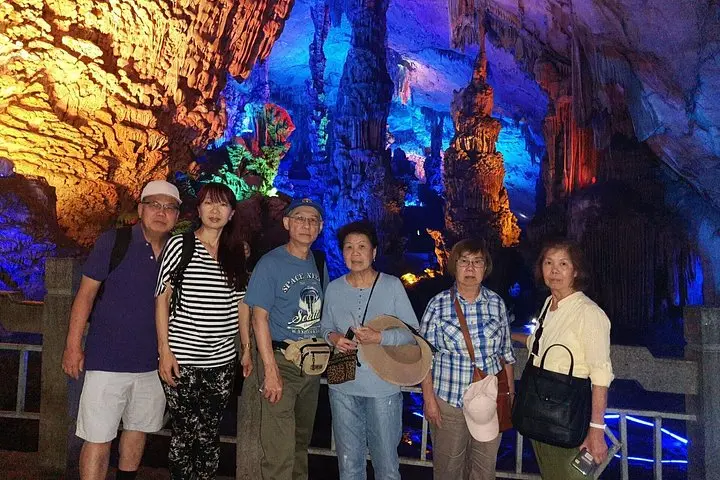
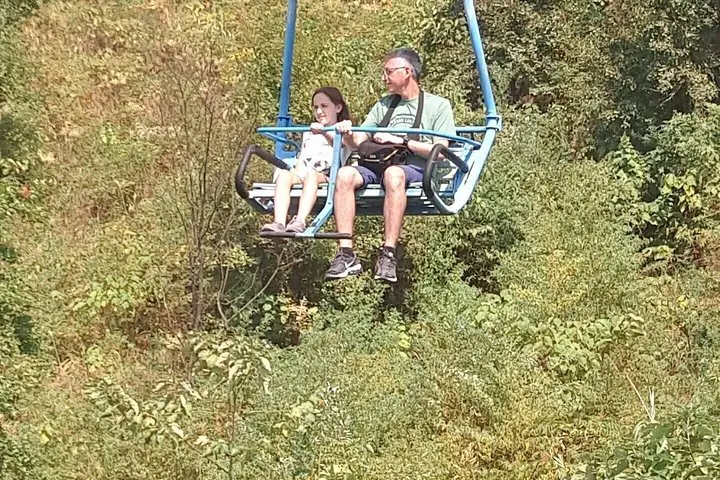
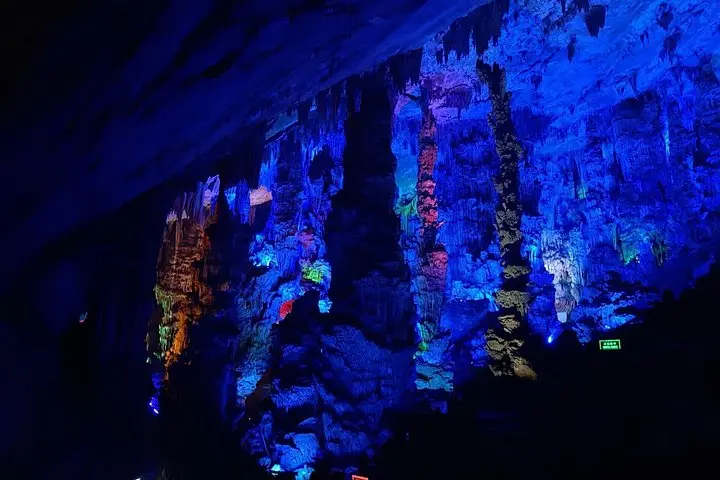
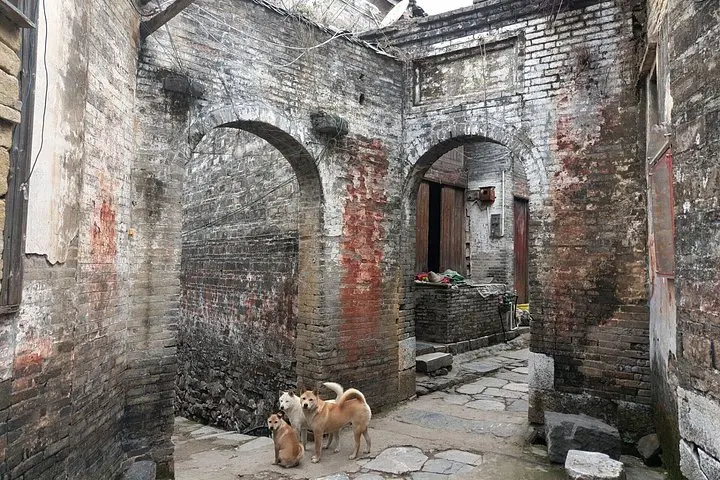
You step out of an air-conditioned van into a cool, echoing chamber where colored lights trace the ribs of limestone—Reed Flute Cave greets you like an underground city carved over millennia. Later, a cable car lifts you above tea terraces and karst pinnacles on Yao Mountain; the wind seems determined to push you toward the summit view. By midday the Lijiang River slows in front of Daxu Old Town, where bluestone streets and wooden storefronts keep the market rhythms of Ming-era commerce alive.
You step out of an air-conditioned van into a cool, echoing chamber where colored lights trace the ribs of limestone—Reed Flute Cave greets you like an underground city carved over millennia. Later, a cable car lifts you above tea terraces and karst pinnacles on Yao Mountain; the wind seems determined to push you toward the summit view. By midday the Lijiang River slows in front of Daxu Old Town, where bluestone streets and wooden storefronts keep the market rhythms of Ming-era commerce alive.
Geology here is the story: Guilin’s karst towers evolved from marine limestone uplifted and sculpted by rain and time, producing vertical cliffs, stalactites and pillars in the cave that take on uncanny forms when lit. Culturally, Daxu preserves rural trade practices and local crafts—calligraphy shops and bamboo workshops still operate where Ming traders once bartered.
Expect an easy but full day: roughly 6–8 hours of movement, short walks on uneven cave paths, a cable car option for Yao Mountain, and cobbled streets in Daxu. Bring water, a compact rain layer and comfortable shoes for slick stone steps. Photography is excellent—use a tripod or steady hand for low-light cave shots and wide lenses for mountain panoramas.
Timing matters: morning light on the river and afternoon haze over the karst each offer different moods. Stay on marked trails to protect fragile cave formations and local vegetation; these landscapes recover slowly from foot traffic. The day balances spectacle with walkable exploration—accessible to most travelers who can manage stairs and short hikes.