THE ADVENTURE COLLECTIVE® · Independent discovery and booking for outdoor travel

Drive from Yangshuo into rolling tea gardens and then up into the carved steps of Longji’s rice terraces. This day tour combines hands‑on tea culture with cultural visits to Yao and Zhuang villages and easy-to-moderate terrace walks.
Drive from Yangshuo into rolling tea gardens and then up into the carved steps of Longji’s rice terraces. This day tour combines hands‑on tea culture with cultural visits to Yao and Zhuang villages and easy-to-moderate terrace walks.
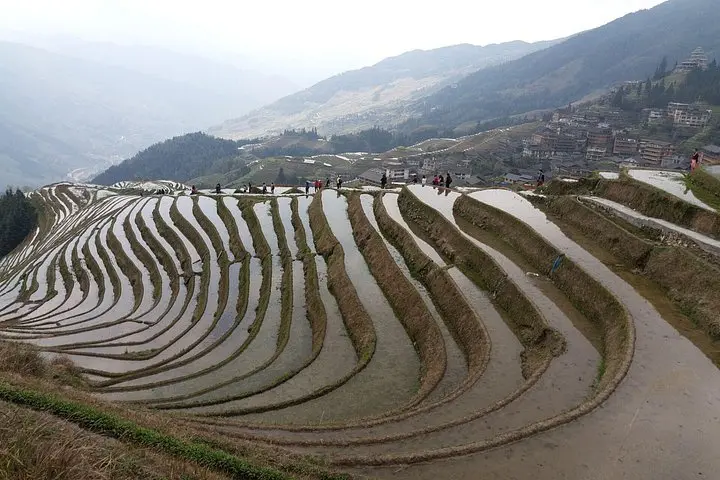
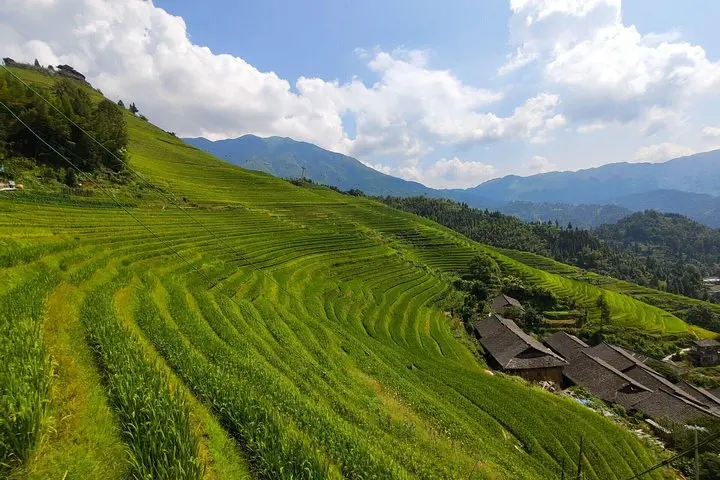
The morning opens with mist lifting off narrow mountain roads as an air‑conditioned van winds east from Yangshuo toward cultivated slopes. Tea bushes roll across the lower hills like a patient green current, then the land steepens and terraces step down the mountainsides — each bench a human-made shelf that catches and holds the year’s water and labor.
Verified experiences and guided adventures in the surrounding area.
Operated by happychinatours · Longsheng (Longji), Guangxi
The morning opens with mist lifting off narrow mountain roads as an air‑conditioned van winds east from Yangshuo toward cultivated slopes. Tea bushes roll across the lower hills like a patient green current, then the land steepens and terraces step down the mountainsides — each bench a human-made shelf that catches and holds the year’s water and labor.
The Longji terraces were carved over centuries by Zhuang and Yao communities, a pragmatic response to steep karst hills and thin soil. Geology here is limestone and red soil; farmers sculpted contours to channel rain and create flat rice beds that shimmer with reflections in wet seasons. At the Guilin Tea Science and Research Institute, tea culture blends modern methods with local practice — leaf picking, pan‑firing and ritual tasting are experienced side by side with a short performance.
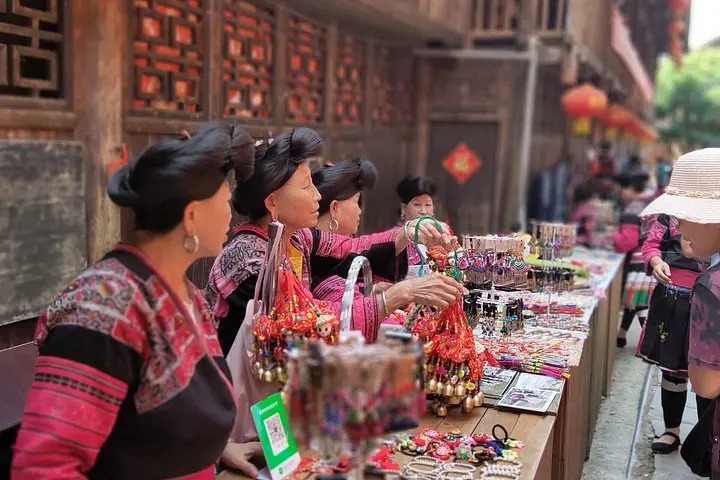
Culturally the tour visits Huangluo (Long Hair) Yao Village where hair customs and traditional dress persist, then climbs into Ping’an or Dazhai to walk terraces edged with wooden houses. Trails include stone steps and narrow footpaths; the landscape demands a steady pace and respectful curiosity.
Practical guidance: allow 2–3 hours of walking in village and terrace sections with steep stairs; bring layered clothing, sun protection and a water bottle. Buy local lunch in Ping’an and reserve time for the ticket office stop. Photography is best in late morning or late afternoon when shadow and relief define the terraces. Expect lots of stairs, uneven footing, and culturally significant villages — move quietly and support local vendors.
Expect about 2 hours by car each way from Yangshuo, with a short stop at the ticket office on arrival.
Tea picking is seasonal; generally possible in spring and summer but not November–March — tasting and demonstrations run year‑round.
Walking includes steep, uneven stone steps; seniors in good mobility can participate but should move at a comfortable pace and use rest stops.
Lunch in Ping’an is typically at your own expense with multiple local options near the terraces.
happychinatours operates guided outdoor trips and adventures with an emphasis on safety, stewardship, and memorable experiences.

The morning opens with mist lifting off narrow mountain roads as an air‑conditioned van winds east from Yangshuo toward cultivated slopes. Tea bushes roll across the lower hills like a patient green current, then the land steepens and terraces step down the mountainsides — each bench a human-made shelf that catches and holds the year’s water and labor.
The morning opens with mist lifting off narrow mountain roads as an air‑conditioned van winds east from Yangshuo toward cultivated slopes. Tea bushes roll across the lower hills like a patient green current, then the land steepens and terraces step down the mountainsides — each bench a human-made shelf that catches and holds the year’s water and labor.
The Longji terraces were carved over centuries by Zhuang and Yao communities, a pragmatic response to steep karst hills and thin soil. Geology here is limestone and red soil; farmers sculpted contours to channel rain and create flat rice beds that shimmer with reflections in wet seasons. At the Guilin Tea Science and Research Institute, tea culture blends modern methods with local practice — leaf picking, pan‑firing and ritual tasting are experienced side by side with a short performance.
Culturally the tour visits Huangluo (Long Hair) Yao Village where hair customs and traditional dress persist, then climbs into Ping’an or Dazhai to walk terraces edged with wooden houses. Trails include stone steps and narrow footpaths; the landscape demands a steady pace and respectful curiosity.
Practical guidance: allow 2–3 hours of walking in village and terrace sections with steep stairs; bring layered clothing, sun protection and a water bottle. Buy local lunch in Ping’an and reserve time for the ticket office stop. Photography is best in late morning or late afternoon when shadow and relief define the terraces. Expect lots of stairs, uneven footing, and culturally significant villages — move quietly and support local vendors.