THE ADVENTURE COLLECTIVE® · Independent discovery and booking for outdoor travel

Turn sightseeing into a game: a smartphone-led scavenger hunt guides you through Guimarães’ medieval streets, castle, and churches. Solve clues, take creative photo tasks, and explore at your own pace—typically in 1–2 hours.
Turn sightseeing into a game: a smartphone-led scavenger hunt guides you through Guimarães’ medieval streets, castle, and churches. Solve clues, take creative photo tasks, and explore at your own pace—typically in 1–2 hours.
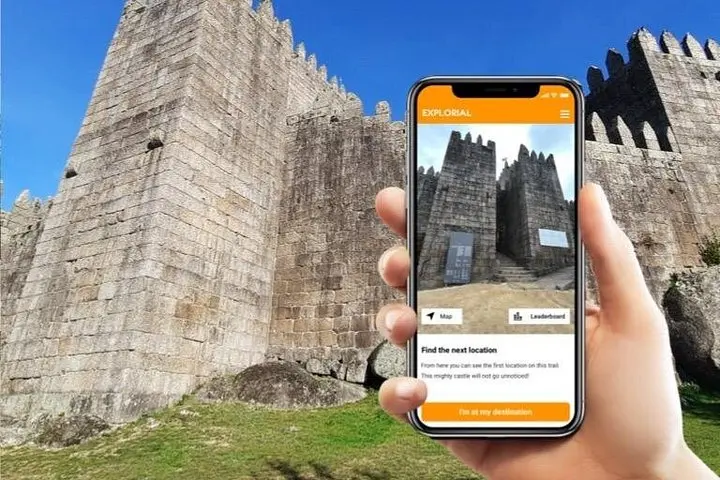
You step off the main square and the cobblestones direct you toward the castle—stone walls that both challenge and invite you. The app pings a riddle; the hunt begins. Streets narrow, façades change from medieval austerity to painted townhouses, and each solved clue propels you to another corner of Guimarães.
Verified experiences and guided adventures in the surrounding area.
Operated by Explorial · Guimarães, Braga
You step off the main square and the cobblestones direct you toward the castle—stone walls that both challenge and invite you. The app pings a riddle; the hunt begins. Streets narrow, façades change from medieval austerity to painted townhouses, and each solved clue propels you to another corner of Guimarães.
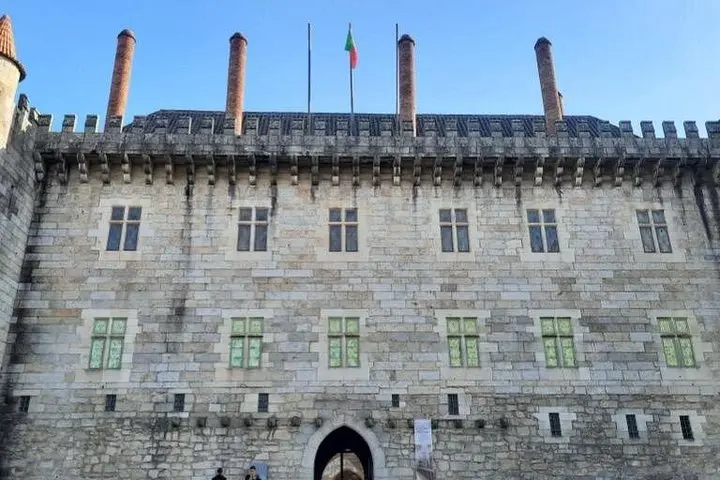
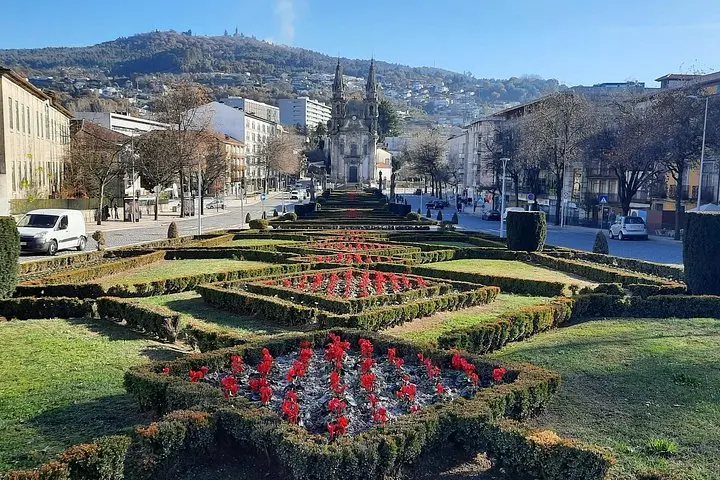
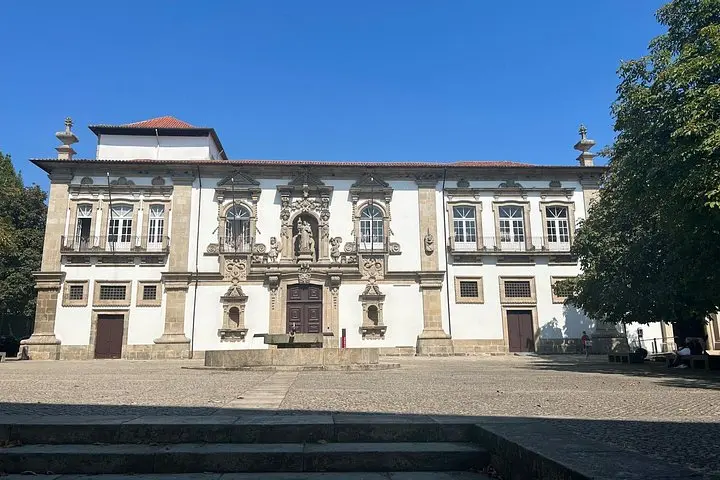
This is the city widely regarded as the birthplace of Portugal: its compact historic center grew around the 10th–12th century castle and the Paço dos Duques. Geology here is old schist and granite underfoot, giving the streets a firm, weathered feel. Cultural markers—Igreja de Nossa Senhora da Oliveira, Largo da República do Brasil, and the Dukes’ palace—are checkpoints on the route, explained through short, gamified tasks rather than a lecture-style tour.
The experience blends sightseeing with puzzle-solving: use visible text, plaques, and details in architecture to answer questions, and take creative photo tasks for extra points. It’s self-paced—typical completion is 1–2 hours—and works in Portuguese and English. Expect urban terrain: narrow alleys, occasional steps, and busy squares. Public transit is nearby if you arrive from Braga or Porto.
Practical tips: charge your phone, wear grippy shoes for cobbles, and allow time for pauses at viewpoints like Monte da Penha. The format is ideal for families or small groups who prefer independent exploration and a playful way to learn the city’s story without a guide.
The average completion time is 1–2 hours, but it’s self-paced so you can take longer to linger at sights or grab a coffee.
It’s fully self-guided through the app—no guide is required; you’ll receive an access code after booking to start at the designated point.
Many streets are cobbled and there are steps at some checkpoints; it may be difficult for wheelchairs and is not recommended for travelers with significant mobility or spinal issues.
The experience is available in Portuguese and English within the app.
Explorial operates guided outdoor trips and adventures with an emphasis on safety, stewardship, and memorable experiences.
You step off the main square and the cobblestones direct you toward the castle—stone walls that both challenge and invite you. The app pings a riddle; the hunt begins. Streets narrow, façades change from medieval austerity to painted townhouses, and each solved clue propels you to another corner of Guimarães.
You step off the main square and the cobblestones direct you toward the castle—stone walls that both challenge and invite you. The app pings a riddle; the hunt begins. Streets narrow, façades change from medieval austerity to painted townhouses, and each solved clue propels you to another corner of Guimarães.
This is the city widely regarded as the birthplace of Portugal: its compact historic center grew around the 10th–12th century castle and the Paço dos Duques. Geology here is old schist and granite underfoot, giving the streets a firm, weathered feel. Cultural markers—Igreja de Nossa Senhora da Oliveira, Largo da República do Brasil, and the Dukes’ palace—are checkpoints on the route, explained through short, gamified tasks rather than a lecture-style tour.
The experience blends sightseeing with puzzle-solving: use visible text, plaques, and details in architecture to answer questions, and take creative photo tasks for extra points. It’s self-paced—typical completion is 1–2 hours—and works in Portuguese and English. Expect urban terrain: narrow alleys, occasional steps, and busy squares. Public transit is nearby if you arrive from Braga or Porto.
Practical tips: charge your phone, wear grippy shoes for cobbles, and allow time for pauses at viewpoints like Monte da Penha. The format is ideal for families or small groups who prefer independent exploration and a playful way to learn the city’s story without a guide.