THE ADVENTURE COLLECTIVE® · Independent discovery and booking for outdoor travel

Head offshore from Calabash for an 11-hour Gulf Stream run where warm currents concentrate mahi, wahoo and other pelagic species 40–60 miles out. This full-day charter pairs local captains and pro gear with long runs, big-fish fights, and practical prep you won’t want to skip.
Head offshore from Calabash for an 11-hour Gulf Stream run where warm currents concentrate mahi, wahoo and other pelagic species 40–60 miles out. This full-day charter pairs local captains and pro gear with long runs, big-fish fights, and practical prep you won’t want to skip.
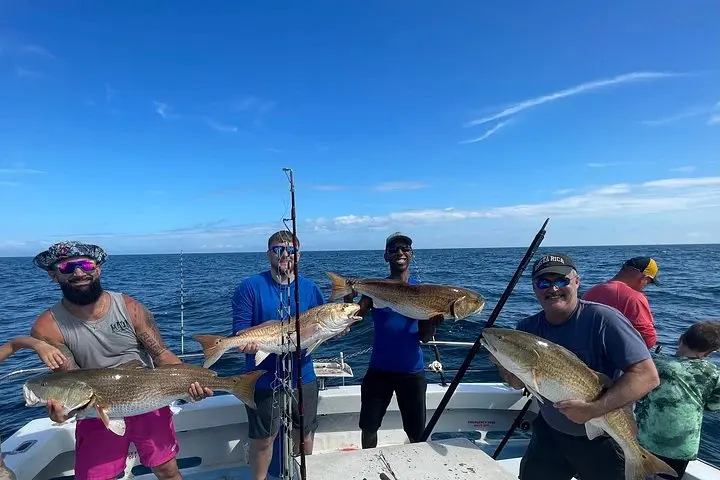
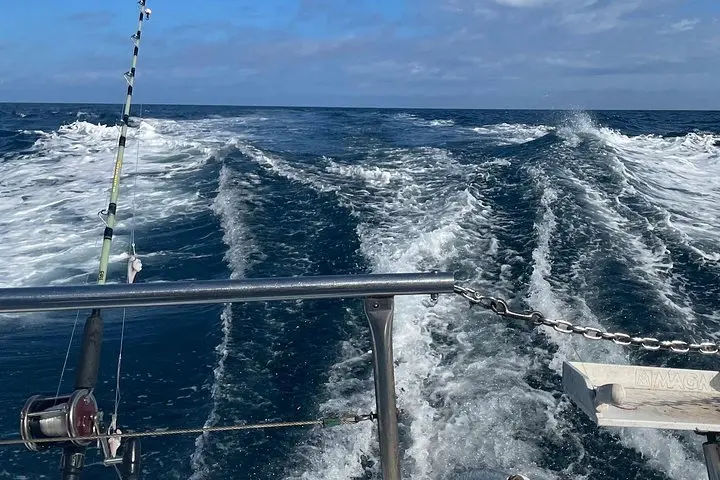
The engine cuts through a glassy inlet as the marina slides behind you and the horizon opens into a wide blue that seems to move on its own. In a few hours the boat will cross the shelf and the Gulf Stream—warm water that runs like a highway—will begin to pull warmer, pelagic species into range. Captains check charts, anglers rig rods, and the ocean starts to show its personality: currents that tease lures and birds circling where bait congregates.
Verified experiences and guided adventures in the surrounding area.
Operated by Calabash Fishing Fleet · Calabash, North Carolina
The engine cuts through a glassy inlet as the marina slides behind you and the horizon opens into a wide blue that seems to move on its own. In a few hours the boat will cross the shelf and the Gulf Stream—warm water that runs like a highway—will begin to pull warmer, pelagic species into range. Captains check charts, anglers rig rods, and the ocean starts to show its personality: currents that tease lures and birds circling where bait congregates.
That warm current has shaped coastlines and fisheries for centuries; Spanish pilots and coastal fishers learned to read the Stream long before recreational charters began running 40–60 miles offshore. Geologically, the shelf drops away quickly here, creating deep-water structure and temperature breaks that concentrate mahi, wahoo, and billfish. Calabash itself is a small harbor town with a seafood culture built around what comes off these waters—expect local crew who know where the fish concentrate and how weather and tide shift the bite.
Practically, this is an 11-hour day trip that requires sea-ready planning: long runs to productive grounds, steady pitching on the return, and changing sun and wind over the day. Bring sun protection, a stable cooler for your catch and food, motion-sickness remedies, and non-slip shoes. Listen to the captain on baiting, rod handling, and safety briefings; they make the difference between watching the swell and landing a heavy, screaming fish. For anglers seeking fast action and big fights, the Gulf Stream off Calabash delivers a raw, maritime workout and a chance to angle where ocean color changes, currents push life together, and the catch can be as varied as the sea itself.
Expect to run roughly 40–60 miles offshore to reach the Gulf Stream where pelagic species congregate; total trip time is about 11 hours.
Licenses, bait, and tackle are typically included by the operator—confirm at booking but you usually don’t need to purchase one separately for the charter.
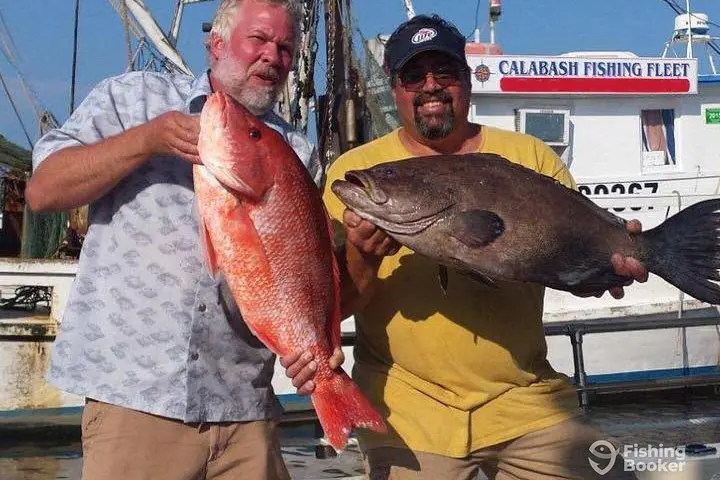
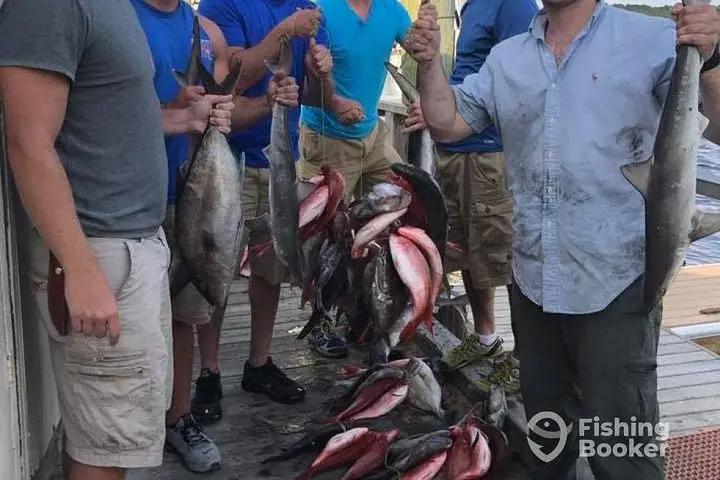
Seasonally common targets include mahi-mahi (dolphinfish), wahoo, king mackerel, and occasional billfish; species mix shifts with water temperature and season.
Yes—captains usually accommodate anglers of all skill levels, but expect physical demands when fighting larger fish and spending a full day at sea.
Calabash Fishing Fleet operates guided outdoor trips and adventures with an emphasis on safety, stewardship, and memorable experiences.
The engine cuts through a glassy inlet as the marina slides behind you and the horizon opens into a wide blue that seems to move on its own. In a few hours the boat will cross the shelf and the Gulf Stream—warm water that runs like a highway—will begin to pull warmer, pelagic species into range. Captains check charts, anglers rig rods, and the ocean starts to show its personality: currents that tease lures and birds circling where bait congregates.
The engine cuts through a glassy inlet as the marina slides behind you and the horizon opens into a wide blue that seems to move on its own. In a few hours the boat will cross the shelf and the Gulf Stream—warm water that runs like a highway—will begin to pull warmer, pelagic species into range. Captains check charts, anglers rig rods, and the ocean starts to show its personality: currents that tease lures and birds circling where bait congregates.
That warm current has shaped coastlines and fisheries for centuries; Spanish pilots and coastal fishers learned to read the Stream long before recreational charters began running 40–60 miles offshore. Geologically, the shelf drops away quickly here, creating deep-water structure and temperature breaks that concentrate mahi, wahoo, and billfish. Calabash itself is a small harbor town with a seafood culture built around what comes off these waters—expect local crew who know where the fish concentrate and how weather and tide shift the bite.
Practically, this is an 11-hour day trip that requires sea-ready planning: long runs to productive grounds, steady pitching on the return, and changing sun and wind over the day. Bring sun protection, a stable cooler for your catch and food, motion-sickness remedies, and non-slip shoes. Listen to the captain on baiting, rod handling, and safety briefings; they make the difference between watching the swell and landing a heavy, screaming fish. For anglers seeking fast action and big fights, the Gulf Stream off Calabash delivers a raw, maritime workout and a chance to angle where ocean color changes, currents push life together, and the catch can be as varied as the sea itself.