THE ADVENTURE COLLECTIVE® · Independent discovery and booking for outdoor travel

Board a short ferry from Nagasaki to see Gunkanjima’s stark concrete silhouette up close—an evocative relic of Japan’s coal era. This guided trip combines a regulated island landing with a museum alternative when sea conditions prevent disembarkation.
Board a short ferry from Nagasaki to see Gunkanjima’s stark concrete silhouette up close—an evocative relic of Japan’s coal era. This guided trip combines a regulated island landing with a museum alternative when sea conditions prevent disembarkation.
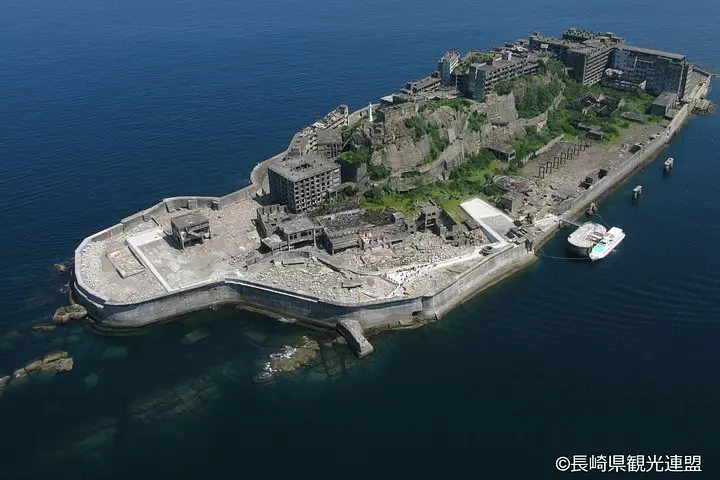
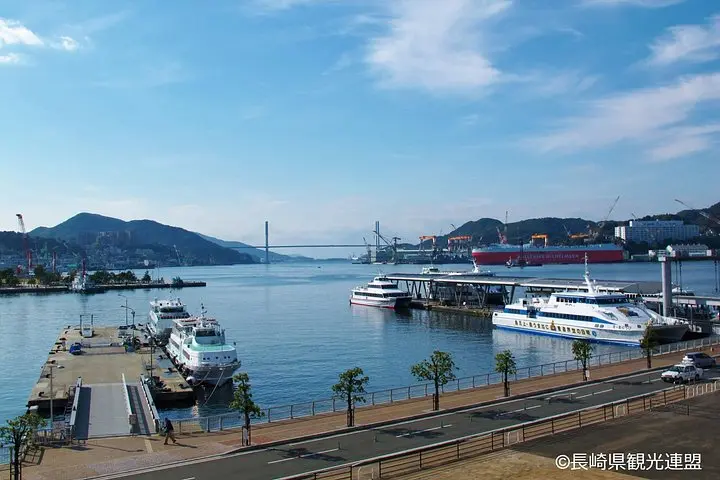
The ferry slices through morning mist out of Nagasaki Port and the island’s silhouette rises: a jagged stack of concrete that once housed thousands. On approach the sea seems to push you forward, and the island’s blank windows stare back like the portholes of an abandoned ship. This trip pairs a panoramic cruise around Hashima (Gunkanjima) with a regulated 220‑meter onshore route—three viewing points, guided interpretation, and the sense of being on the edge of Japan’s Meiji industrial story.
Verified experiences and guided adventures in the surrounding area.
Operated by H.I.S.Co., Ltd. · Nagasaki, Nagasaki Prefecture
The ferry slices through morning mist out of Nagasaki Port and the island’s silhouette rises: a jagged stack of concrete that once housed thousands. On approach the sea seems to push you forward, and the island’s blank windows stare back like the portholes of an abandoned ship. This trip pairs a panoramic cruise around Hashima (Gunkanjima) with a regulated 220‑meter onshore route—three viewing points, guided interpretation, and the sense of being on the edge of Japan’s Meiji industrial story.
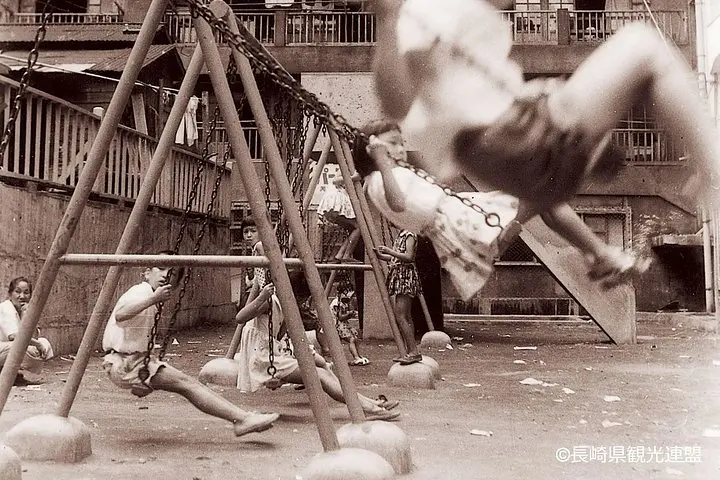
Hashima sits about 15 km offshore and grew rapidly in the late 19th and early 20th centuries as coal mining powered Japan’s modernization; by the 1950s it was among the world’s most densely populated places before abandonment in 1974. The island’s concrete towers and rusted sea walls reveal coastal geology battered by typhoons and salt spray; the exposed surfaces and collapsed interiors speak to both industrial ambition and coastal decay. Culture here is layered: miners’ communities, wartime labor histories, and the recent UNESCO designation that reframed the site as heritage.
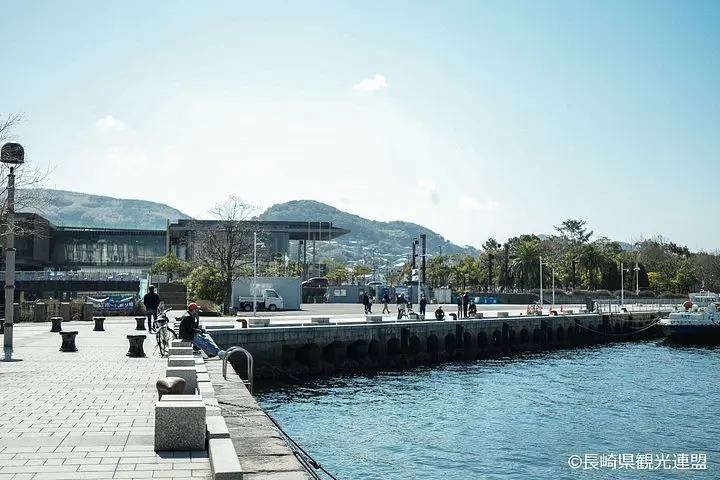
Practically: the full tour is about five hours from Nagasaki Station, including a stop at the Gunkanjima Digital Museum for contextual exhibits should landing be restricted. Landings last roughly 40–50 minutes depending on sea state; the onshore route is flat but exposed—bring sun protection and sturdy flat-soled shoes. Weather, waves, and city rules determine whether you step ashore, so plan for either the landing or an informative cruise-around alternative. Expect clear safety briefings, group movements on marked paths, and vivid photo opportunities from the deck as the island’s skeleton slides by.
No. Landings are subject to Nagasaki City safety rules and sea conditions; if unsafe you’ll take a cruise-only route and may visit the Gunkanjima Digital Museum instead.
Yes—physically it’s easy, but children under 6 are restricted from deck areas on the island and parental supervision is required; inform the operator of mobility or health concerns in advance.
On successful landings the guided route is approximately a 220‑meter round trip with stops at three viewing points, lasting about 40–50 minutes ashore.
Access depends on the vessel and island restrictions; the operator asks you to disclose any disabilities or medical conditions before booking so they can assess boarding safety.
H.I.S.Co., Ltd. operates guided outdoor trips and adventures with an emphasis on safety, stewardship, and memorable experiences.
The ferry slices through morning mist out of Nagasaki Port and the island’s silhouette rises: a jagged stack of concrete that once housed thousands. On approach the sea seems to push you forward, and the island’s blank windows stare back like the portholes of an abandoned ship. This trip pairs a panoramic cruise around Hashima (Gunkanjima) with a regulated 220‑meter onshore route—three viewing points, guided interpretation, and the sense of being on the edge of Japan’s Meiji industrial story.
The ferry slices through morning mist out of Nagasaki Port and the island’s silhouette rises: a jagged stack of concrete that once housed thousands. On approach the sea seems to push you forward, and the island’s blank windows stare back like the portholes of an abandoned ship. This trip pairs a panoramic cruise around Hashima (Gunkanjima) with a regulated 220‑meter onshore route—three viewing points, guided interpretation, and the sense of being on the edge of Japan’s Meiji industrial story.
Hashima sits about 15 km offshore and grew rapidly in the late 19th and early 20th centuries as coal mining powered Japan’s modernization; by the 1950s it was among the world’s most densely populated places before abandonment in 1974. The island’s concrete towers and rusted sea walls reveal coastal geology battered by typhoons and salt spray; the exposed surfaces and collapsed interiors speak to both industrial ambition and coastal decay. Culture here is layered: miners’ communities, wartime labor histories, and the recent UNESCO designation that reframed the site as heritage.
Practically: the full tour is about five hours from Nagasaki Station, including a stop at the Gunkanjima Digital Museum for contextual exhibits should landing be restricted. Landings last roughly 40–50 minutes depending on sea state; the onshore route is flat but exposed—bring sun protection and sturdy flat-soled shoes. Weather, waves, and city rules determine whether you step ashore, so plan for either the landing or an informative cruise-around alternative. Expect clear safety briefings, group movements on marked paths, and vivid photo opportunities from the deck as the island’s skeleton slides by.