THE ADVENTURE COLLECTIVE® · Independent discovery and booking for outdoor travel

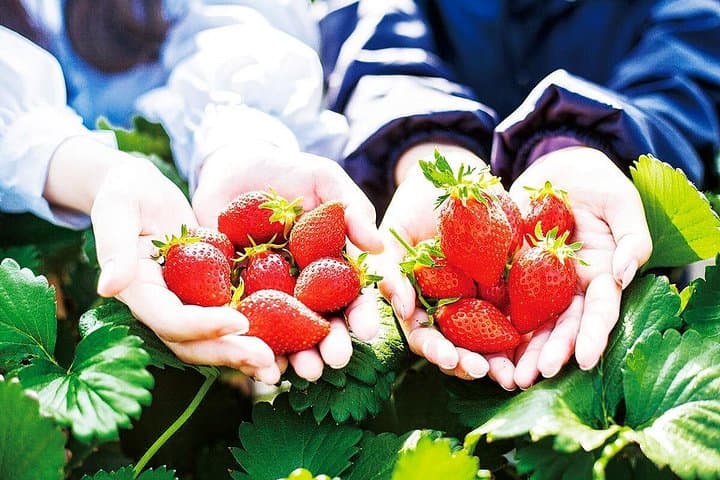
Spend a full day in Gunma exploring Fukiware Falls’ thunderous gorge, stroll fragrant lavender fields at Tambara, pick seasonal fruit at Harada Farm, and walk Ikaho’s historic stone steps—an active, sensory-packed circuit through rural Japan.
Spend a full day in Gunma exploring Fukiware Falls’ thunderous gorge, stroll fragrant lavender fields at Tambara, pick seasonal fruit at Harada Farm, and walk Ikaho’s historic stone steps—an active, sensory-packed circuit through rural Japan.
A cool mist greets you before the falls come into view—Fukiware Falls throws itself across a rocky gorge, water carving a loud, confident line in Gunma’s uplands. Walkways lead to observation decks where spray dares your camera lens and the river’s force is immediate and tactile.
Verified experiences and guided adventures in the surrounding area.
Operated by TREVOPEDIA · Shibukawa, Gunma
A cool mist greets you before the falls come into view—Fukiware Falls throws itself across a rocky gorge, water carving a loud, confident line in Gunma’s uplands. Walkways lead to observation decks where spray dares your camera lens and the river’s force is immediate and tactile.
The valley here is young in geological terms: rivers cut through andesite and volcanic deposits left by ancient eruptions, producing the stepped cliffs and narrow gorge that define Fukiware. Nearby Tambara’s lavender fields sit on well-drained volcanic soil and offer broad panoramas in midsummer, while Harada Farm’s orchards are the product of careful local cultivation—generations that read seasons the way others read maps.
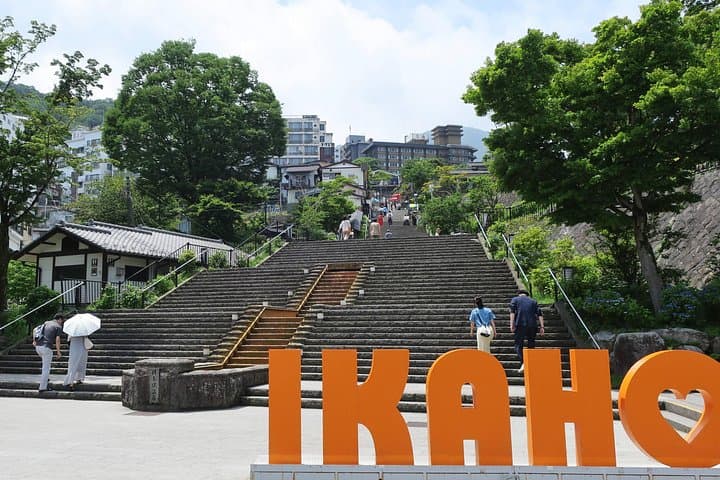
Ikaho Onsen’s 365 stone steps provide a cultural counterpoint: wooden inns, small bathhouses and snack stalls that grew up around mineral springs exploited since the Edo period. In winter, Tambara Ski Park reshapes the same slopes into beginner-friendly runs; in summer they become flower meadows.
Practical guidance: this is a full-day, bus-based itinerary (about 9–10 hours) with short walks—expect paved paths, a few unpaved trails near the falls, and the 365-step climb at Ikaho if included. Wear sturdy walking shoes, pack a light waterproof, and bring water and cash for farm purchases and small shops. Timing matters: lavender peaks July–August and fruit types change by month, so check seasonal schedules before booking. Public transport options exist nearby, but the tour’s round-trip transfers simplify logistics. Respect onsen etiquette (wash before entering) and follow farm rules for fruit handling—clean, mindful harvesting keeps the fields productive for seasons to come.
Yes—this tour includes round-trip transfers from the meet-up location so you do not need separate transport between sites.
Yes—seasonal fruit picked at Harada Farm is typically yours to taste on site; follow farm staff instructions about picking areas and handling.
Many areas and the transportation are wheelchair accessible, but some viewpoints and Ikaho’s stone steps are not; check specific accessibility needs with the operator in advance.
Bring some cash for snacks, souvenirs and occasional admissions; some rural vendors may not accept cards.
TREVOPEDIA operates guided outdoor trips and adventures with an emphasis on safety, stewardship, and memorable experiences.
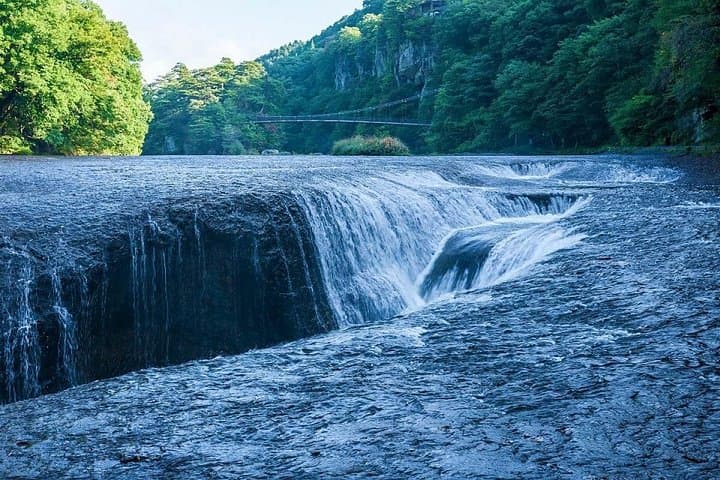
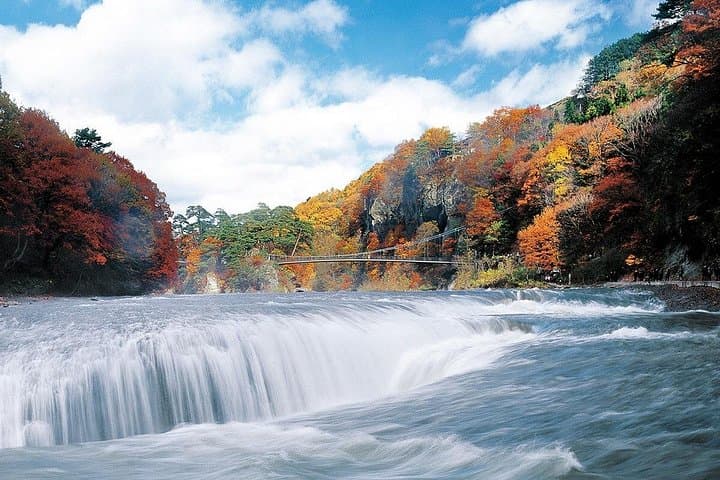
A cool mist greets you before the falls come into view—Fukiware Falls throws itself across a rocky gorge, water carving a loud, confident line in Gunma’s uplands. Walkways lead to observation decks where spray dares your camera lens and the river’s force is immediate and tactile.
A cool mist greets you before the falls come into view—Fukiware Falls throws itself across a rocky gorge, water carving a loud, confident line in Gunma’s uplands. Walkways lead to observation decks where spray dares your camera lens and the river’s force is immediate and tactile.
The valley here is young in geological terms: rivers cut through andesite and volcanic deposits left by ancient eruptions, producing the stepped cliffs and narrow gorge that define Fukiware. Nearby Tambara’s lavender fields sit on well-drained volcanic soil and offer broad panoramas in midsummer, while Harada Farm’s orchards are the product of careful local cultivation—generations that read seasons the way others read maps.
Ikaho Onsen’s 365 stone steps provide a cultural counterpoint: wooden inns, small bathhouses and snack stalls that grew up around mineral springs exploited since the Edo period. In winter, Tambara Ski Park reshapes the same slopes into beginner-friendly runs; in summer they become flower meadows.
Practical guidance: this is a full-day, bus-based itinerary (about 9–10 hours) with short walks—expect paved paths, a few unpaved trails near the falls, and the 365-step climb at Ikaho if included. Wear sturdy walking shoes, pack a light waterproof, and bring water and cash for farm purchases and small shops. Timing matters: lavender peaks July–August and fruit types change by month, so check seasonal schedules before booking. Public transport options exist nearby, but the tour’s round-trip transfers simplify logistics. Respect onsen etiquette (wash before entering) and follow farm rules for fruit handling—clean, mindful harvesting keeps the fields productive for seasons to come.