THE ADVENTURE COLLECTIVE® · Independent discovery and booking for outdoor travel

Traverse seven days of Sikh heritage across West Punjab—Lahore’s Mughal monuments, the sacred sites of Nankana Sahib and Kartarpur, and city bazaars where history meets daily life. Practical tips and what to expect on this culturally focused pilgrimage.
Traverse seven days of Sikh heritage across West Punjab—Lahore’s Mughal monuments, the sacred sites of Nankana Sahib and Kartarpur, and city bazaars where history meets daily life. Practical tips and what to expect on this culturally focused pilgrimage.
You step off the coach into Lahore’s dense, sun-warmed streets and the city takes over—air full of frying spices, call to prayer mingling with temple bells, and the River Ravi pushing the skyline toward the horizon. Over seven days the route threads between Lahore, Nankana Sahib, Hasan Abdal, Kartarpur and Rawalpindi, moving from Mughal forts and Wazir Khan’s painted mosque to solemn gurdwaras where langar feeds hundreds.
Verified experiences and guided adventures in the surrounding area.
Operated by BARBIL TOURS · Lahore, Punjab
You step off the coach into Lahore’s dense, sun-warmed streets and the city takes over—air full of frying spices, call to prayer mingling with temple bells, and the River Ravi pushing the skyline toward the horizon. Over seven days the route threads between Lahore, Nankana Sahib, Hasan Abdal, Kartarpur and Rawalpindi, moving from Mughal forts and Wazir Khan’s painted mosque to solemn gurdwaras where langar feeds hundreds.
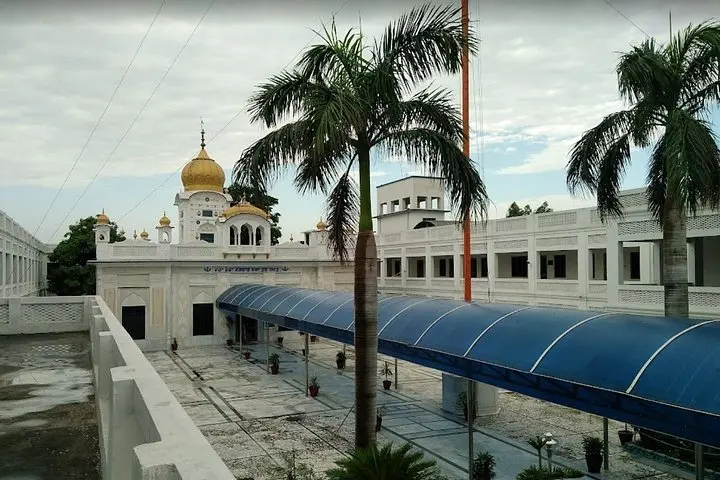
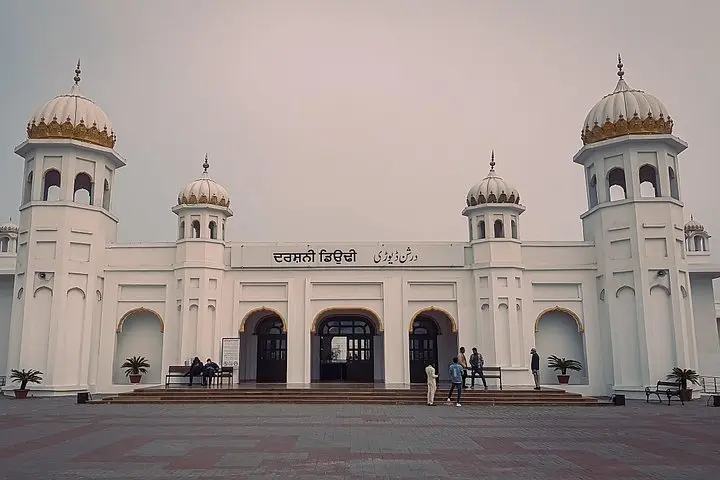
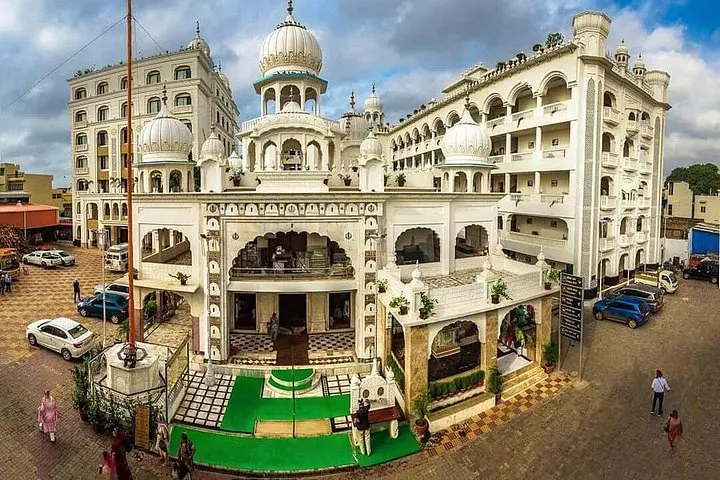
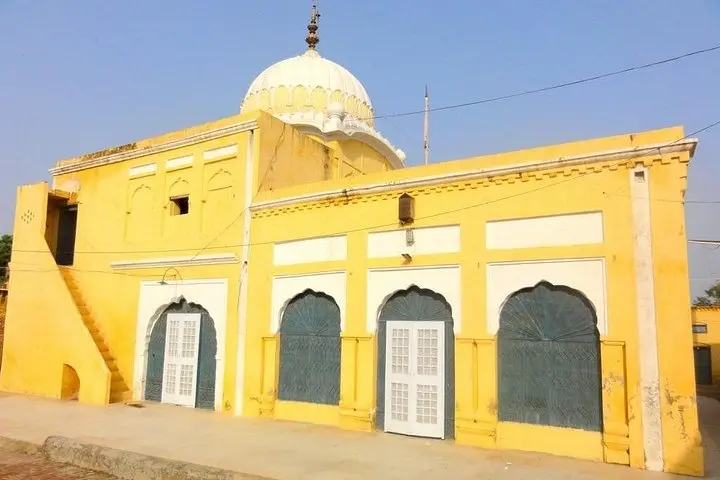
The places visited chart Punjab’s layered past: Mughal architecture at Badshahi Mosque and Lahore Fort, Sufi shrines that shaped local devotional life, and multiple Sikh sites tied to Guru Nanak and later Gurus. Kartarpur and Nankana Sahib are pilgrimage anchors—both predate the 1947 border and remain central to Sikh memory across South Asia.
Expect mostly paved roads and city walking with brief rural drives between towns; surfaces include narrow bazaar alleys and mosque courtyards. Cultural etiquette is practical: cover shoulders and knees, remove shoes at gurdwara entrances, and follow langar queues respectfully. Temperatures vary—Lahore summers are hot and humid; mornings are best for outdoor sightseeing.
Practical notes: carry a refillable water bottle and a small towel for dusty markets; a lightweight jacket is useful for early mornings or air‑conditioned vehicles. The tour includes accommodation options, airport or Wagah border pickup, and meals including langar on key days. Passports and any required visas should be arranged well in advance; allow extra time for border formalities if visiting Kartarpur. This is a cultural, low‑impact itinerary that rewards patience, curiosity, and respectful observation.
Most foreign nationals require a Pakistani visa—apply through the official consular channels well before travel and confirm entry requirements specific to your nationality.
Yes; the itinerary is low-impact with short walking segments, but consider mobility limitations and longer vehicle transfers between towns.
English-speaking guides are typically provided; Urdu and Punjabi are common locally—the guide will facilitate interactions and ceremonial protocols.
Yes; langar is open to all visitors and is served at gurdwaras as a free communal meal—follow local practices and queue etiquette.
BARBIL TOURS operates guided outdoor trips and adventures with an emphasis on safety, stewardship, and memorable experiences.
You step off the coach into Lahore’s dense, sun-warmed streets and the city takes over—air full of frying spices, call to prayer mingling with temple bells, and the River Ravi pushing the skyline toward the horizon. Over seven days the route threads between Lahore, Nankana Sahib, Hasan Abdal, Kartarpur and Rawalpindi, moving from Mughal forts and Wazir Khan’s painted mosque to solemn gurdwaras where langar feeds hundreds.
You step off the coach into Lahore’s dense, sun-warmed streets and the city takes over—air full of frying spices, call to prayer mingling with temple bells, and the River Ravi pushing the skyline toward the horizon. Over seven days the route threads between Lahore, Nankana Sahib, Hasan Abdal, Kartarpur and Rawalpindi, moving from Mughal forts and Wazir Khan’s painted mosque to solemn gurdwaras where langar feeds hundreds.
The places visited chart Punjab’s layered past: Mughal architecture at Badshahi Mosque and Lahore Fort, Sufi shrines that shaped local devotional life, and multiple Sikh sites tied to Guru Nanak and later Gurus. Kartarpur and Nankana Sahib are pilgrimage anchors—both predate the 1947 border and remain central to Sikh memory across South Asia.
Expect mostly paved roads and city walking with brief rural drives between towns; surfaces include narrow bazaar alleys and mosque courtyards. Cultural etiquette is practical: cover shoulders and knees, remove shoes at gurdwara entrances, and follow langar queues respectfully. Temperatures vary—Lahore summers are hot and humid; mornings are best for outdoor sightseeing.
Practical notes: carry a refillable water bottle and a small towel for dusty markets; a lightweight jacket is useful for early mornings or air‑conditioned vehicles. The tour includes accommodation options, airport or Wagah border pickup, and meals including langar on key days. Passports and any required visas should be arranged well in advance; allow extra time for border formalities if visiting Kartarpur. This is a cultural, low‑impact itinerary that rewards patience, curiosity, and respectful observation.