THE ADVENTURE COLLECTIVE® · Independent discovery and booking for outdoor travel

Join a botanist-led day tour from Roma into Gurulmundi State Forest to see over 200 species of Australian native wildflowers on the crest of the Great Dividing Range. This small-group trip blends close-up field botany with easy walking and scenic lunch stops.
Join a botanist-led day tour from Roma into Gurulmundi State Forest to see over 200 species of Australian native wildflowers on the crest of the Great Dividing Range. This small-group trip blends close-up field botany with easy walking and scenic lunch stops.
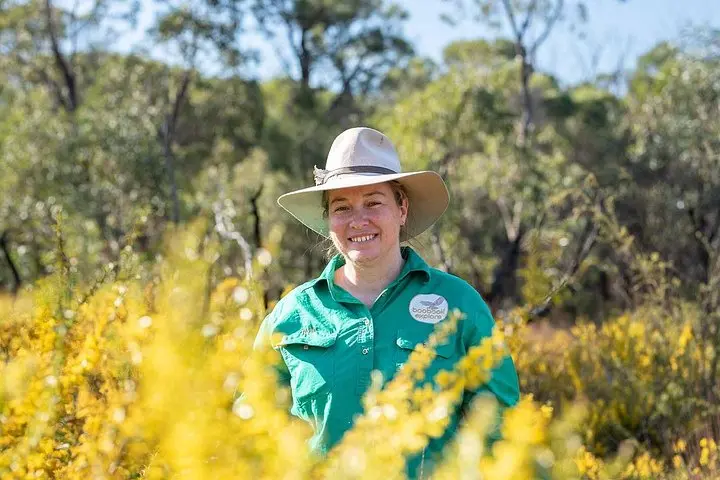
A ribbon of country road unspools from Roma, and by mid-morning the bus slips off the highway into the quieter climbs of the Great Dividing Range. The air changes—drier, scented with eucalypt—and then the slope opens into carpets of colour as grevilleas, hakeas, wattles and bush peas claim the ridge. Your botanist guide moves deliberately, pointing out tiny leaves and clever seedpods, coaxing the landscape into stories you wouldn’t spot alone.
Verified experiences and guided adventures in the surrounding area.
Operated by Boobook Explore · Roma, Queensland
A ribbon of country road unspools from Roma, and by mid-morning the bus slips off the highway into the quieter climbs of the Great Dividing Range. The air changes—drier, scented with eucalypt—and then the slope opens into carpets of colour as grevilleas, hakeas, wattles and bush peas claim the ridge. Your botanist guide moves deliberately, pointing out tiny leaves and clever seedpods, coaxing the landscape into stories you wouldn’t spot alone.
Gurulmundi sits on the western edge of the Range where sedimentary soils and low ridgelines favor a distinctive assemblage of inland wildflowers. This patch of State Forest has long been managed for both timber and conservation; its botanical richness reflects a blend of local climate, fire regimes and a history of Indigenous stewardship that shaped which species thrive.
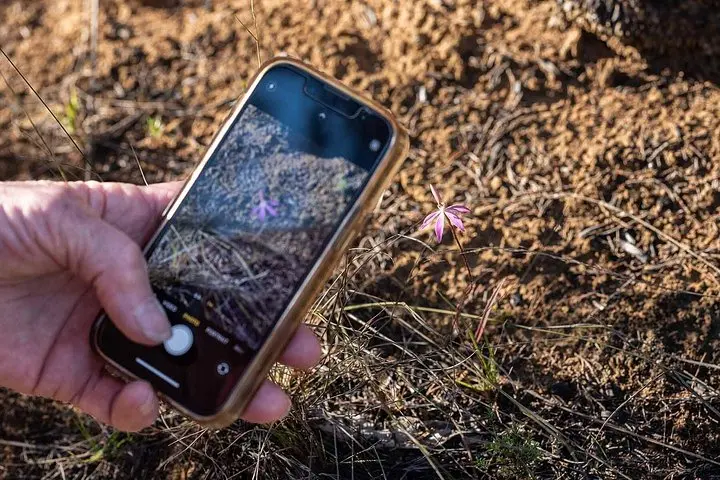
Expect close-up study rather than long hikes: the tour spends most of the day examining blooms across sheltered gullies and open crests, timing lunch in a shady clearing. The rhythm is slow and observational—knees bent to inspect a protea-like flower, lenses clicking, notebooks filled.
Practicalities: the full-day trip leaves from Roma and can pick up at Jackson, runs about 9.5 hours, and is best in spring (peak bloom typically late winter to mid-spring). Wear sturdy shoes for uneven forest tracks, bring sun protection and at least 2 liters of water. Respect the habitat—don’t pick specimens—and follow your guide’s instructions about sensitive areas. For photographers and plant lovers this is a concentrated, low-impact way to see a rare inland wildflower display.
Spring, generally late winter through mid-spring (roughly August to October), produces the most prolific displays.
The tour is approximately 9.5 hours and departs from Roma with an optional pickup at Jackson near Miles.
No—the day involves mostly short, easy walks and time spent observing; it’s suitable for most fitness levels.
No—collecting is prohibited; guides will explain sensitive species and ethical viewing practices.
Boobook Explore operates guided outdoor trips and adventures with an emphasis on safety, stewardship, and memorable experiences.
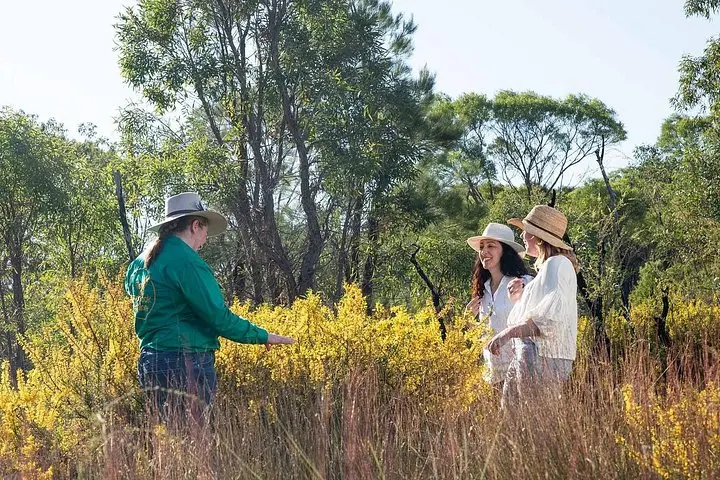
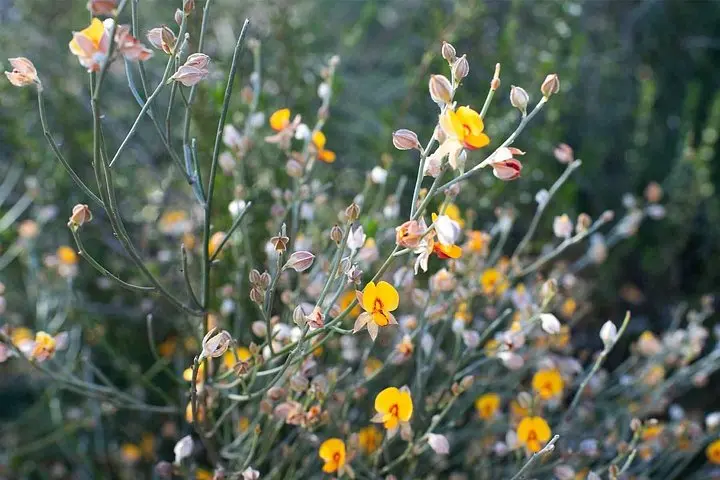
A ribbon of country road unspools from Roma, and by mid-morning the bus slips off the highway into the quieter climbs of the Great Dividing Range. The air changes—drier, scented with eucalypt—and then the slope opens into carpets of colour as grevilleas, hakeas, wattles and bush peas claim the ridge. Your botanist guide moves deliberately, pointing out tiny leaves and clever seedpods, coaxing the landscape into stories you wouldn’t spot alone.
A ribbon of country road unspools from Roma, and by mid-morning the bus slips off the highway into the quieter climbs of the Great Dividing Range. The air changes—drier, scented with eucalypt—and then the slope opens into carpets of colour as grevilleas, hakeas, wattles and bush peas claim the ridge. Your botanist guide moves deliberately, pointing out tiny leaves and clever seedpods, coaxing the landscape into stories you wouldn’t spot alone.
Gurulmundi sits on the western edge of the Range where sedimentary soils and low ridgelines favor a distinctive assemblage of inland wildflowers. This patch of State Forest has long been managed for both timber and conservation; its botanical richness reflects a blend of local climate, fire regimes and a history of Indigenous stewardship that shaped which species thrive.
Expect close-up study rather than long hikes: the tour spends most of the day examining blooms across sheltered gullies and open crests, timing lunch in a shady clearing. The rhythm is slow and observational—knees bent to inspect a protea-like flower, lenses clicking, notebooks filled.
Practicalities: the full-day trip leaves from Roma and can pick up at Jackson, runs about 9.5 hours, and is best in spring (peak bloom typically late winter to mid-spring). Wear sturdy shoes for uneven forest tracks, bring sun protection and at least 2 liters of water. Respect the habitat—don’t pick specimens—and follow your guide’s instructions about sensitive areas. For photographers and plant lovers this is a concentrated, low-impact way to see a rare inland wildflower display.