THE ADVENTURE COLLECTIVE® · Independent discovery and booking for outdoor travel

Walk the sites that shaped modern Korean democracy on a small-group, expert-led tour of Gwangju’s May 18 memorials and archives. Expect seven hours of storytelling, preserved forensic sites, and local food stops that connect history to everyday life.
Walk the sites that shaped modern Korean democracy on a small-group, expert-led tour of Gwangju’s May 18 memorials and archives. Expect seven hours of storytelling, preserved forensic sites, and local food stops that connect history to everyday life.
You step into May 18 Democracy Square where a circular fountain cuts a confident arc through the plaza and the city seems to hold its breath. The guide, a Gwangju native, moves the small group from marker to marker, letting the plaza’s stones and the preserved bullet holes speak while the distant silhouette of Mudeungsan watches like a steady witness.
Verified experiences and guided adventures in the surrounding area.
Operated by Tasty Trails Korea · Gwangju, Gwangju
You step into May 18 Democracy Square where a circular fountain cuts a confident arc through the plaza and the city seems to hold its breath. The guide, a Gwangju native, moves the small group from marker to marker, letting the plaza’s stones and the preserved bullet holes speak while the distant silhouette of Mudeungsan watches like a steady witness.
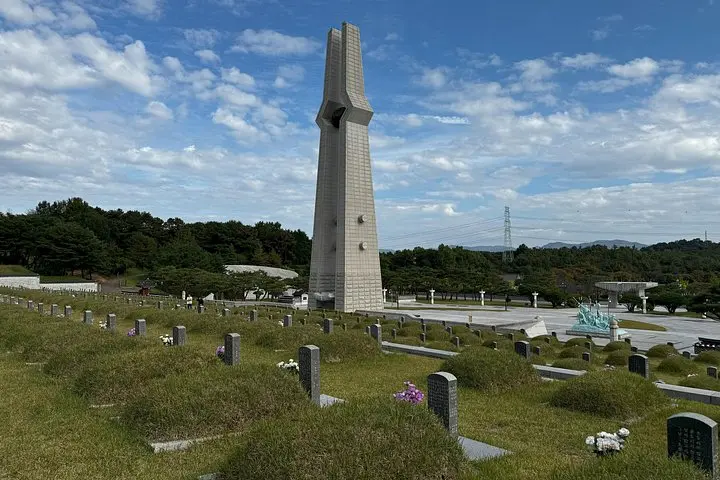
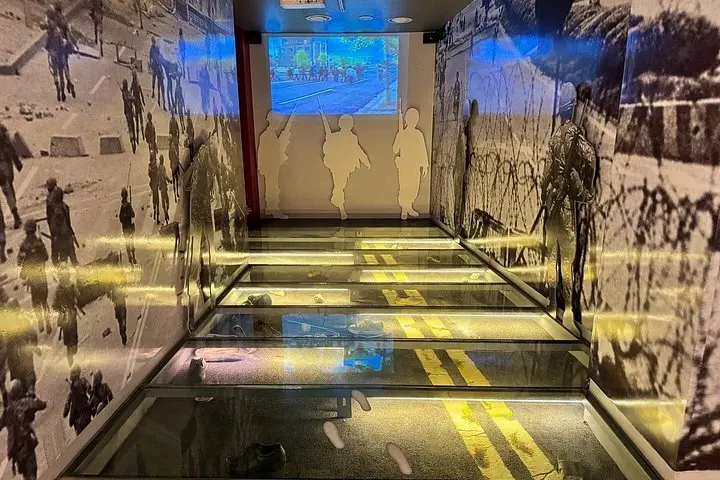
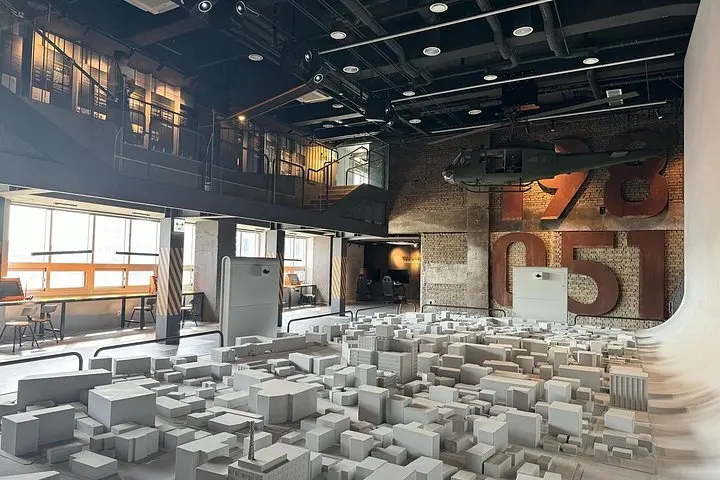
The tour traces the ten days of the May 18 Democratic Uprising in 1980 — a citizens’ movement that confronted martial law and reshaped South Korea’s democratic path. Stops include the May 18 Archives, which lays the uprising out in photographs, testimonies and forensic evidence; a building facade still pocked with 245 bullet marks; and the National Cemetery, where names and dates mark the cost of resistance. Together these sites summarize political history, urban change, and the social memory that formal museums and public rituals continue to shape.
Gwangju’s city grid and nearby Mudeungsan geology explain how urban terrain funneled crowds into plazas and streets; its food culture — generous, savory, and communal — offered quick comfort between stops. Local insight: rooftop gardens and small bakeries around the archive reward a slowing pace and civilian stories.
Practical guidance: expect about seven hours on foot with short rides via private transport; wear supportive shoes, carry water, and plan for pockets of shade rather than continuous tree cover. Photography is allowed in many places but be respectful at memorial sites. The tour is wheelchair accessible and paced for a general audience, but it covers emotionally intense material — bring time to reflect.
The tour runs about seven hours (420 minutes) and includes multiple stops around central Gwangju with private transport between some sites.
Many sites on the itinerary are wheelchair accessible; the operator lists the tour as suitable for wheelchair users but contact the provider for specifics about vehicle access.
Core archival and memorial visits are included in the itinerary; meals and personal purchases at restaurants are paid on the spot.
Tours are led by a local guide; check the booking page for available language options or request language assistance when booking.
Tasty Trails Korea operates guided outdoor trips and adventures with an emphasis on safety, stewardship, and memorable experiences.
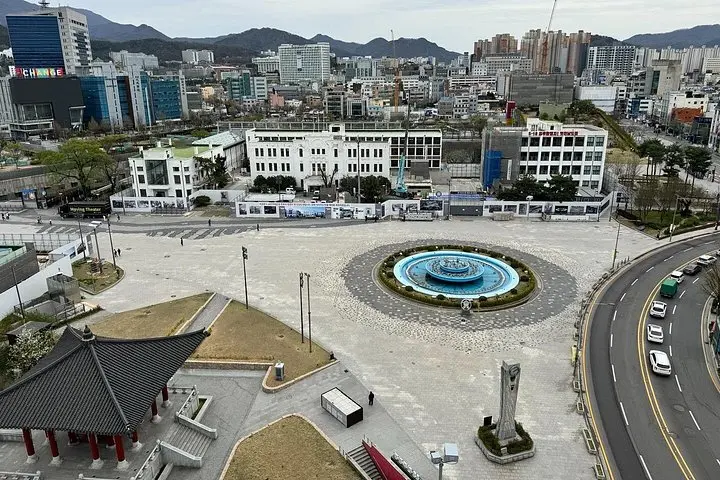
You step into May 18 Democracy Square where a circular fountain cuts a confident arc through the plaza and the city seems to hold its breath. The guide, a Gwangju native, moves the small group from marker to marker, letting the plaza’s stones and the preserved bullet holes speak while the distant silhouette of Mudeungsan watches like a steady witness.
You step into May 18 Democracy Square where a circular fountain cuts a confident arc through the plaza and the city seems to hold its breath. The guide, a Gwangju native, moves the small group from marker to marker, letting the plaza’s stones and the preserved bullet holes speak while the distant silhouette of Mudeungsan watches like a steady witness.
The tour traces the ten days of the May 18 Democratic Uprising in 1980 — a citizens’ movement that confronted martial law and reshaped South Korea’s democratic path. Stops include the May 18 Archives, which lays the uprising out in photographs, testimonies and forensic evidence; a building facade still pocked with 245 bullet marks; and the National Cemetery, where names and dates mark the cost of resistance. Together these sites summarize political history, urban change, and the social memory that formal museums and public rituals continue to shape.
Gwangju’s city grid and nearby Mudeungsan geology explain how urban terrain funneled crowds into plazas and streets; its food culture — generous, savory, and communal — offered quick comfort between stops. Local insight: rooftop gardens and small bakeries around the archive reward a slowing pace and civilian stories.
Practical guidance: expect about seven hours on foot with short rides via private transport; wear supportive shoes, carry water, and plan for pockets of shade rather than continuous tree cover. Photography is allowed in many places but be respectful at memorial sites. The tour is wheelchair accessible and paced for a general audience, but it covers emotionally intense material — bring time to reflect.