THE ADVENTURE COLLECTIVE® · Independent discovery and booking for outdoor travel

Walk Gyeongbokgung with a former official guide who connects architecture, court ritual, and Seoul's changing identity. This 2–3 hour guided route blends close-up history, photo-ready viewpoints, and local neighborhood detours.
Walk Gyeongbokgung with a former official guide who connects architecture, court ritual, and Seoul's changing identity. This 2–3 hour guided route blends close-up history, photo-ready viewpoints, and local neighborhood detours.
You step through Gwanghwamun Plaza and the city's noise thins as Gyeongbokgung's wooden gates frame the morning light.
The guide pauses at the stone bridge; the palace seems to breathe history — carved roofs casting precise shadows, a pond holding the city's reflection. This is not a surface tour: expect anecdotes from court protocol, restoration work, and the palace's role in modern Seoul woven into the walk.
Verified experiences and guided adventures in the surrounding area.
Operated by wmww(we make everything we want) · Seoul, Seoul
You step through Gwanghwamun Plaza and the city's noise thins as Gyeongbokgung's wooden gates frame the morning light.
The guide pauses at the stone bridge; the palace seems to breathe history — carved roofs casting precise shadows, a pond holding the city's reflection. This is not a surface tour: expect anecdotes from court protocol, restoration work, and the palace's role in modern Seoul woven into the walk.
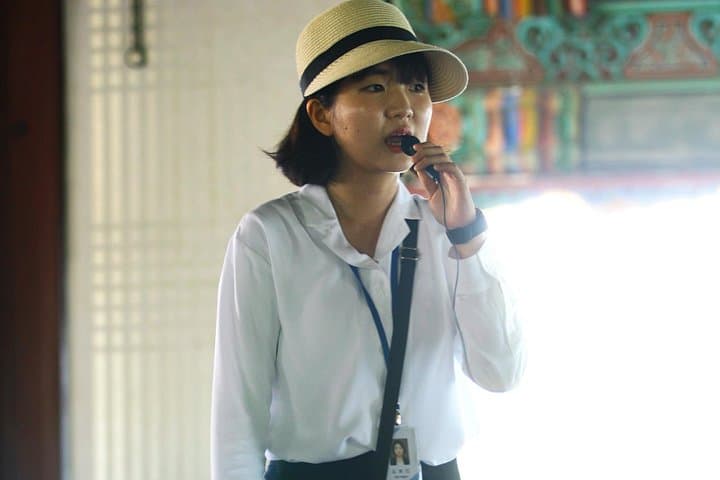
Founded in 1395 as the Joseon dynasty's main palace, Gyeongbokgung has been rebuilt and refitted across centuries — a patchwork of timber, tile, and granite shaped by invasions and 20th-century restoration. The guide's background as an official interpreter of palace spaces lets them point out architectural clues, from guardian motifs on eaves to subtle shifts in flooring that mark ceremonial routes.
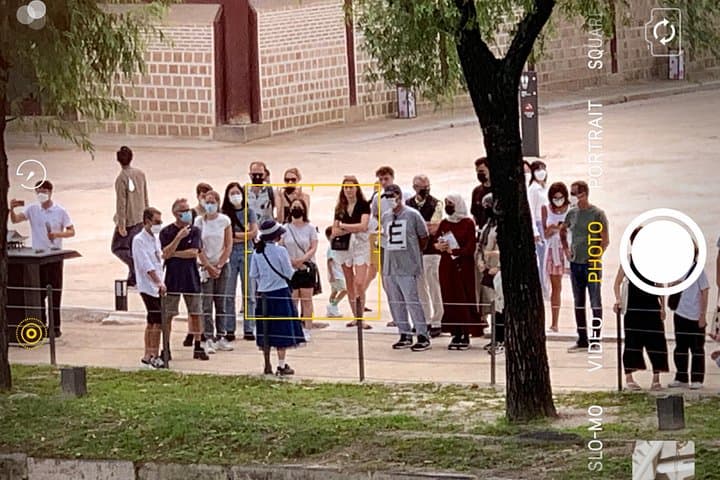
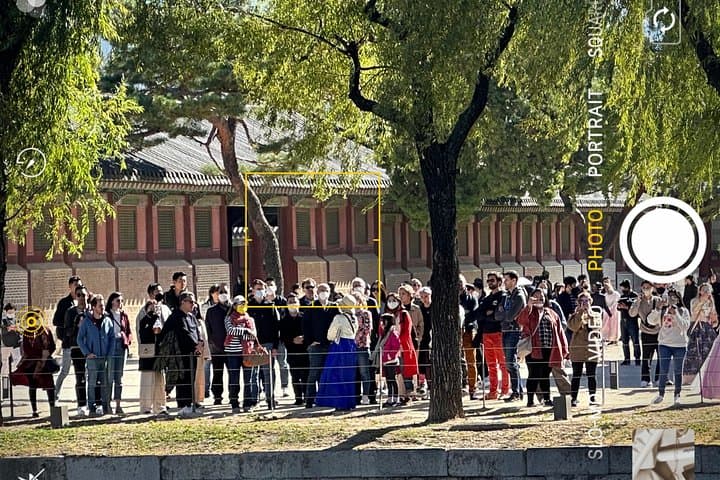
Culture sits close to the ground here: hanbok-clad visitors tracing corridors, the National Folk Museum's displays across the yard, and alleys leading up to Bukchon with contemporary tea houses and craftspeople. Granite outcrops and manicured pines give the grounds a quiet, tactile geology that anchors the wooden halls.
Practical notes: tours run 2–3 hours and cover major halls, photo viewpoints, and nearby neighborhoods; parts are wheelchair accessible. Wear comfortable shoes for paved courtyards and bring a light layer for wind off the plaza. Morning light is best for photos and smaller crowds; Sundays may swap Bukchon for Seochon.
Respect preservation rules: stay on paths, avoid touching painted surfaces, and follow the guide's directions during peak times. This walk pairs local storycraft with detail-minded interpretation — ideal for travelers who want context with their city wandering.
Yes — the itinerary lists palace admission included for the Gyeongbokgung segment; bring your mobile ticket and ID.
The tour notes wheelchair accessibility; some older structures have limited access, so check specific stop details with the operator.
This listing is led by a former official guide; confirm language options at booking, but English interpretation is commonly offered for international guests.
The tour operates in most weather; heavy rain may affect outdoor segments. Check the cancellation policy and contact the operator for same-day changes.
wmww(we make everything we want) operates guided outdoor trips and adventures with an emphasis on safety, stewardship, and memorable experiences.
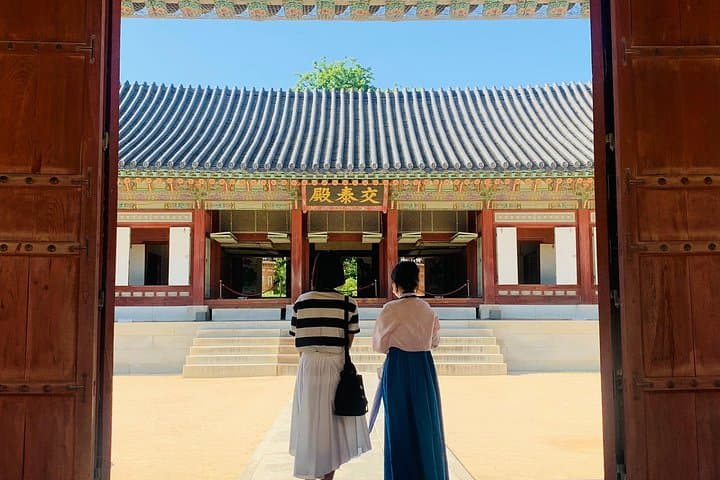
You step through Gwanghwamun Plaza and the city's noise thins as Gyeongbokgung's wooden gates frame the morning light.
The guide pauses at the stone bridge; the palace seems to breathe history — carved roofs casting precise shadows, a pond holding the city's reflection. This is not a surface tour: expect anecdotes from court protocol, restoration work, and the palace's role in modern Seoul woven into the walk.
Founded in 1395 as the Joseon dynasty's main palace, Gyeongbokgung has been rebuilt and refitted across centuries — a patchwork of timber, tile, and granite shaped by invasions and 20th-century restoration. The guide's background as an official interpreter of palace spaces lets them point out architectural clues, from guardian motifs on eaves to subtle shifts in flooring that mark ceremonial routes.
Culture sits close to the ground here: hanbok-clad visitors tracing corridors, the National Folk Museum's displays across the yard, and alleys leading up to Bukchon with contemporary tea houses and craftspeople. Granite outcrops and manicured pines give the grounds a quiet, tactile geology that anchors the wooden halls.
Practical notes: tours run 2–3 hours and cover major halls, photo viewpoints, and nearby neighborhoods; parts are wheelchair accessible. Wear comfortable shoes for paved courtyards and bring a light layer for wind off the plaza. Morning light is best for photos and smaller crowds; Sundays may swap Bukchon for Seochon.
Respect preservation rules: stay on paths, avoid touching painted surfaces, and follow the guide's directions during peak times. This walk pairs local storycraft with detail-minded interpretation — ideal for travelers who want context with their city wandering.