THE ADVENTURE COLLECTIVE® · Independent discovery and booking for outdoor travel

Wander vibrant begonia beds and meet exotic birds at Gapyeong’s Begonia Bird Park. This accessible half-day attraction blends horticulture and animal encounters—ideal for families and travelers seeking a gentle outdoor experience near Seoul.
Wander vibrant begonia beds and meet exotic birds at Gapyeong’s Begonia Bird Park. This accessible half-day attraction blends horticulture and animal encounters—ideal for families and travelers seeking a gentle outdoor experience near Seoul.
You step through an arched gate and the air changes—humid, floral, punctuated by the sharp call of an exotic bird. Courtyard beds spill bands of begonias in disciplined rows while water gardens keep a steady pulse beneath wooden walkways. Rare birds flit between clipped shrubs; a small colony of penguins watches visitors with impassive curiosity.
Verified experiences and guided adventures in the surrounding area.
Operated by Jung Ho Travel · Gapyeong, Gyeonggi-do
You step through an arched gate and the air changes—humid, floral, punctuated by the sharp call of an exotic bird. Courtyard beds spill bands of begonias in disciplined rows while water gardens keep a steady pulse beneath wooden walkways. Rare birds flit between clipped shrubs; a small colony of penguins watches visitors with impassive curiosity.
The park sits in Gapyeong, a river valley east of Seoul known for its recreational river islands and small-scale botanical attractions. Horticultural practices here echo a long Korean interest in seasonal display gardens, while the animal enclosures reflect contemporary efforts to blend education with leisure. The geology of the region—low hills carved by tributaries of the Bukhangang River—shapes intimate terraces and sheltered microclimates ideal for begonias.
Expect a three-hour visit that mixes easy walking, animal viewing, and photography. Paths are flat and wheelchair- and stroller-accessible; the venue is closed on the 2nd and 4th Wednesday of each month, and note that purchases are restricted to non-Korean nationals per on-site policy.
Practical guidance: arrive mid-morning to avoid peak tour vans, buy the mobile ticket in advance for faster entry, and allow time to linger near the water gardens where bird activity concentrates. Don’t feed animals; follow staff directions at animal exhibits. Bring a light rain layer—greenhouses and conservatories can be humid—and a camera with a zoom lens for bird shots. With easy terrain and a focus on sensory discovery, this is a comfortable half-day outing for families and travelers seeking calm, colorful nature close to Seoul.
Most visitors spend about 2–3 hours exploring gardens and animal exhibits; allow extra time for photography or a relaxed visit.
Yes—paths and key exhibits are accessible for wheelchairs and strollers, though some garden surfaces may be uneven.
No—this particular ticket option is restricted to non-Korean nationals and may be refused on-site if purchased incorrectly.
Yes—families are welcome; the site is stroller-accessible and includes family-friendly animal exhibits.
Jung Ho Travel operates guided outdoor trips and adventures with an emphasis on safety, stewardship, and memorable experiences.
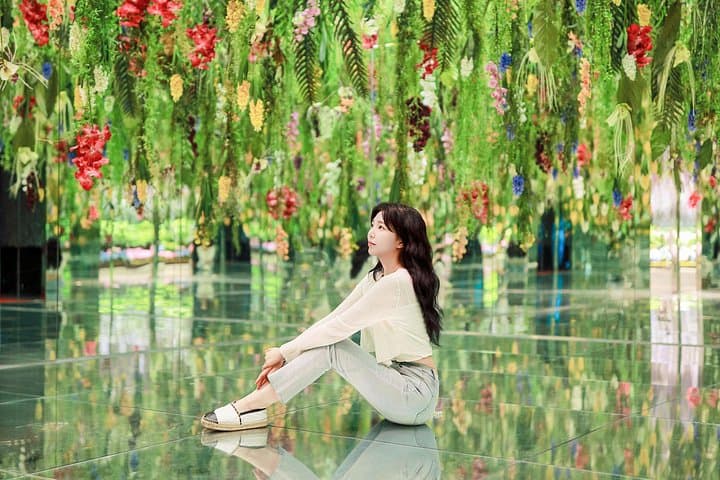


You step through an arched gate and the air changes—humid, floral, punctuated by the sharp call of an exotic bird. Courtyard beds spill bands of begonias in disciplined rows while water gardens keep a steady pulse beneath wooden walkways. Rare birds flit between clipped shrubs; a small colony of penguins watches visitors with impassive curiosity.
You step through an arched gate and the air changes—humid, floral, punctuated by the sharp call of an exotic bird. Courtyard beds spill bands of begonias in disciplined rows while water gardens keep a steady pulse beneath wooden walkways. Rare birds flit between clipped shrubs; a small colony of penguins watches visitors with impassive curiosity.
The park sits in Gapyeong, a river valley east of Seoul known for its recreational river islands and small-scale botanical attractions. Horticultural practices here echo a long Korean interest in seasonal display gardens, while the animal enclosures reflect contemporary efforts to blend education with leisure. The geology of the region—low hills carved by tributaries of the Bukhangang River—shapes intimate terraces and sheltered microclimates ideal for begonias.
Expect a three-hour visit that mixes easy walking, animal viewing, and photography. Paths are flat and wheelchair- and stroller-accessible; the venue is closed on the 2nd and 4th Wednesday of each month, and note that purchases are restricted to non-Korean nationals per on-site policy.
Practical guidance: arrive mid-morning to avoid peak tour vans, buy the mobile ticket in advance for faster entry, and allow time to linger near the water gardens where bird activity concentrates. Don’t feed animals; follow staff directions at animal exhibits. Bring a light rain layer—greenhouses and conservatories can be humid—and a camera with a zoom lens for bird shots. With easy terrain and a focus on sensory discovery, this is a comfortable half-day outing for families and travelers seeking calm, colorful nature close to Seoul.