THE ADVENTURE COLLECTIVE® · Independent discovery and booking for outdoor travel

Experience Gyeongju’s Silla-era highlights in a private, two-day tour that pairs UNESCO temples with village life and an optional Namsan hike. Start early to beat the crowds and bring comfortable shoes for temple terraces and mountain trails.
Experience Gyeongju’s Silla-era highlights in a private, two-day tour that pairs UNESCO temples with village life and an optional Namsan hike. Start early to beat the crowds and bring comfortable shoes for temple terraces and mountain trails.
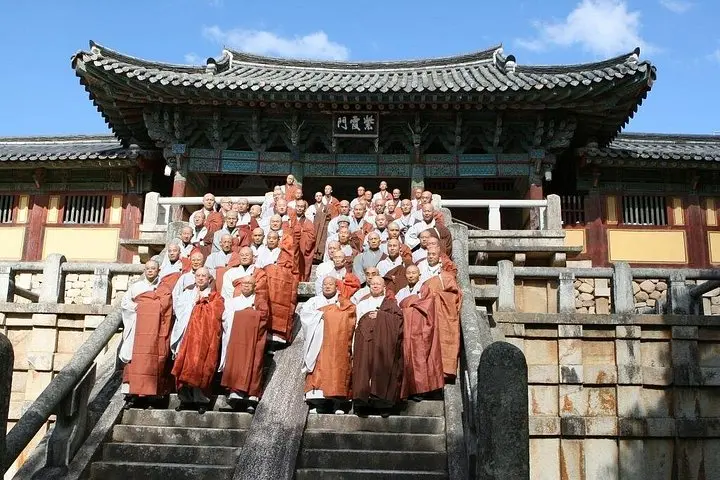
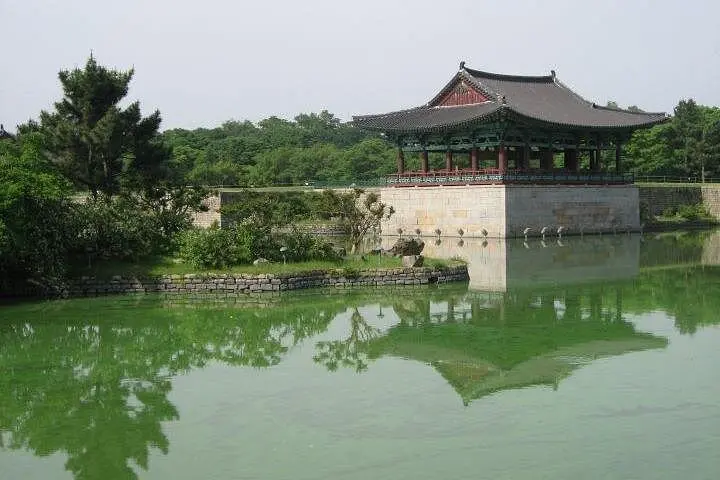
A cool morning mist lifts off Wolji Pond as lantern-lit roofs recede behind you and the stone pagodas of Bulguksa come into focus. On this two-day, private itinerary you move at human scale: a granite grotto that faces the sea, a wooden temple complex resting on raised terraces, grassy royal mounds, and a network of village lanes where craftsmen still hammer metal and stitch hanbok.
Verified experiences and guided adventures in the surrounding area.
Operated by Frank Yi · Gyeongju, North Gyeongsang
A cool morning mist lifts off Wolji Pond as lantern-lit roofs recede behind you and the stone pagodas of Bulguksa come into focus. On this two-day, private itinerary you move at human scale: a granite grotto that faces the sea, a wooden temple complex resting on raised terraces, grassy royal mounds, and a network of village lanes where craftsmen still hammer metal and stitch hanbok.
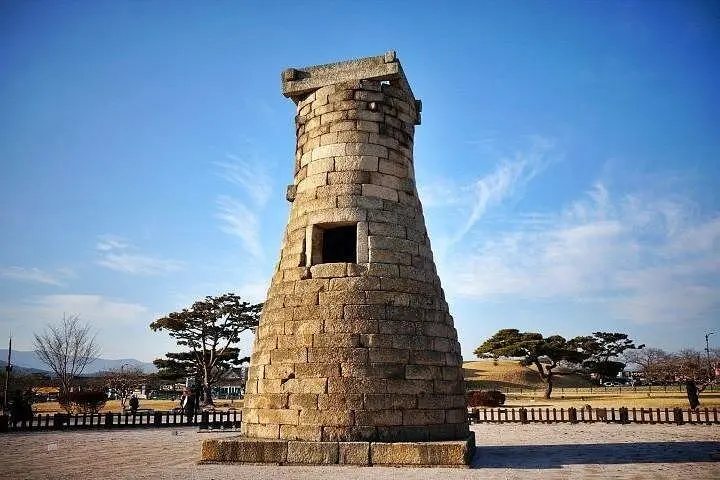
Gyeongju was the capital of Silla (57 BC–AD 935), a polity whose Buddhist art and Confucian academies shaped much of Korea’s classical identity. The region’s geology — granite bedrock and volcanic flows on the east coast — frames both the carved grottoes at Seokguram and the basalt columns visitors see at nearby coastal outcrops. Cultural layers are everywhere: Cheomseongdae’s stacked stones marking astronomical practice, tombs bearing lacquered coffins, and village seowon echoing Confucian study.
Day one follows UNESCO highlights: Seokguram, Bulguksa, Daereungwon and the National Museum; day two lets you choose between the archaeological trails of Namsan — 4–6 hours if you take the museum trail — or the quieter Yangdong Folk Village and coastal stops like the Tomb of King Munmu.
Practical guidance: expect uneven stone steps and packed dirt trails — bring sturdy walking shoes and a light rain shell. Many entrances require separate tickets, so carry small Korean won or a card. Start early at key sites to avoid tour buses; mid-afternoon is ideal for the golden light at Wolji Pond. Finally, communicate dietary needs in advance: this private tour accommodates requests but advance notice smooths logistics.
No—most historic sites require separate admission paid on site; your guide will advise which sites charge fees.
Some areas and transport are wheelchair accessible, but historic sites with stone steps (e.g., Bulguksa terraces, Seokguram approach) have limited accessibility; notify the operator when booking.
Yes—this private tour accommodates dietary requirements if you inform the guide at booking so meal stops can be arranged accordingly.
Carry a copy of your passport or ID for hotel transfers and ticketing; originals may be required at certain checkpoints or transport hubs.
Frank Yi operates guided outdoor trips and adventures with an emphasis on safety, stewardship, and memorable experiences.
A cool morning mist lifts off Wolji Pond as lantern-lit roofs recede behind you and the stone pagodas of Bulguksa come into focus. On this two-day, private itinerary you move at human scale: a granite grotto that faces the sea, a wooden temple complex resting on raised terraces, grassy royal mounds, and a network of village lanes where craftsmen still hammer metal and stitch hanbok.
A cool morning mist lifts off Wolji Pond as lantern-lit roofs recede behind you and the stone pagodas of Bulguksa come into focus. On this two-day, private itinerary you move at human scale: a granite grotto that faces the sea, a wooden temple complex resting on raised terraces, grassy royal mounds, and a network of village lanes where craftsmen still hammer metal and stitch hanbok.
Gyeongju was the capital of Silla (57 BC–AD 935), a polity whose Buddhist art and Confucian academies shaped much of Korea’s classical identity. The region’s geology — granite bedrock and volcanic flows on the east coast — frames both the carved grottoes at Seokguram and the basalt columns visitors see at nearby coastal outcrops. Cultural layers are everywhere: Cheomseongdae’s stacked stones marking astronomical practice, tombs bearing lacquered coffins, and village seowon echoing Confucian study.
Day one follows UNESCO highlights: Seokguram, Bulguksa, Daereungwon and the National Museum; day two lets you choose between the archaeological trails of Namsan — 4–6 hours if you take the museum trail — or the quieter Yangdong Folk Village and coastal stops like the Tomb of King Munmu.
Practical guidance: expect uneven stone steps and packed dirt trails — bring sturdy walking shoes and a light rain shell. Many entrances require separate tickets, so carry small Korean won or a card. Start early at key sites to avoid tour buses; mid-afternoon is ideal for the golden light at Wolji Pond. Finally, communicate dietary needs in advance: this private tour accommodates requests but advance notice smooths logistics.