THE ADVENTURE COLLECTIVE® · Independent discovery and booking for outdoor travel

Spend a full day from Busan exploring Gyeongju’s most celebrated cherry blossom spots—temples, observatory lanes and lakeside promenades—paired with Silla-era history. Practical tips on timing, gear and navigating peak bloom crowds.
Spend a full day from Busan exploring Gyeongju’s most celebrated cherry blossom spots—temples, observatory lanes and lakeside promenades—paired with Silla-era history. Practical tips on timing, gear and navigating peak bloom crowds.
The bus eases out of Busan before dawn and the road opens into low hills dotted with pale pink—cherry branches reaching over stone walls as if to point the way. By midmorning you’re walking under arching canopies where petals drift like slow snow and the scent of spring edges the air.
Verified experiences and guided adventures in the surrounding area.
Operated by TOURSTORY · Gyeongju, North Gyeongsang Province
The bus eases out of Busan before dawn and the road opens into low hills dotted with pale pink—cherry branches reaching over stone walls as if to point the way. By midmorning you’re walking under arching canopies where petals drift like slow snow and the scent of spring edges the air.
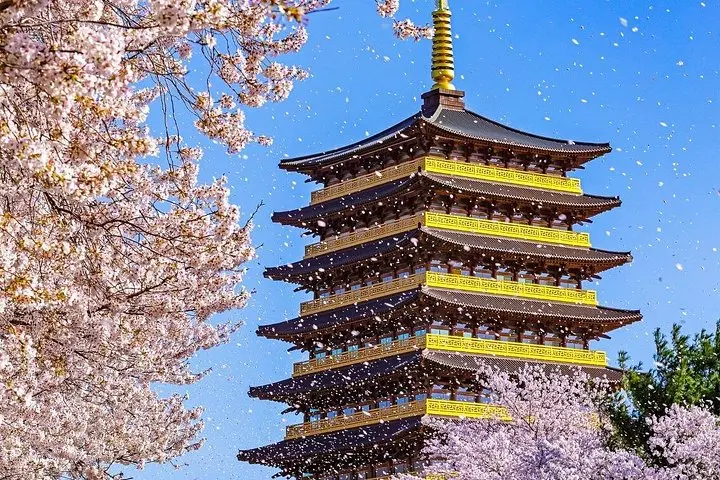
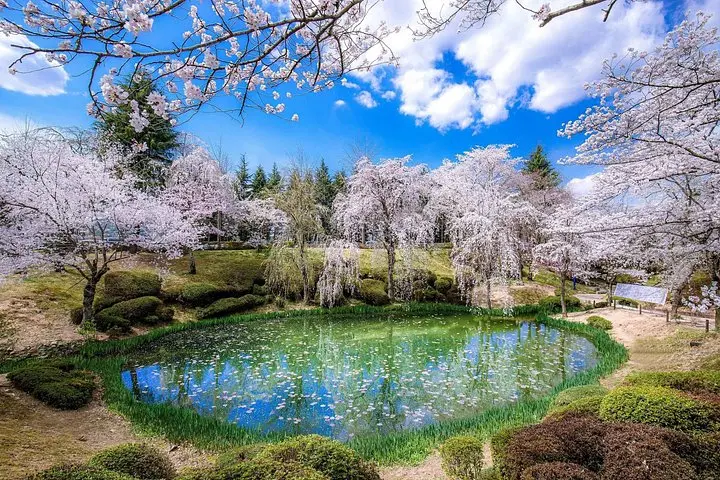
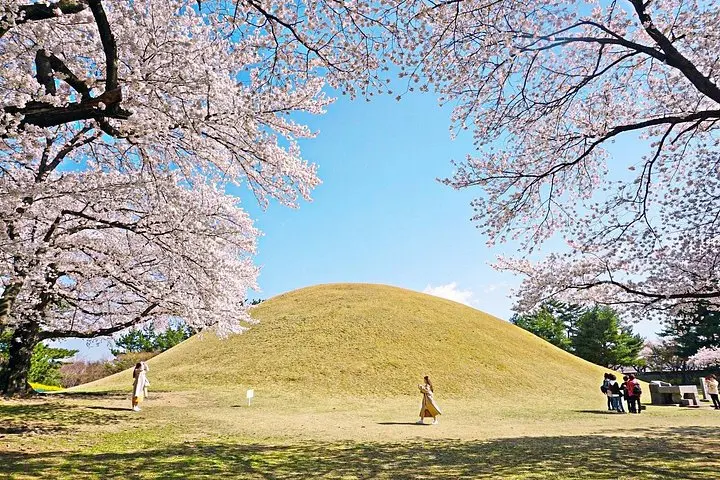
Gyeongju’s blossoms frame more than flowers: they fold into the city’s Silla-era history. Cheomseongdae, one of the oldest surviving astronomical observatories, watches over paths used for centuries; Bulguksa’s wooden eaves punctuate floral vistas with classic Korean architecture. Geology here is gentle—rolling hills and river terraces that collect blossom-lined roads and lakeside promenades such as Bomun Lake.
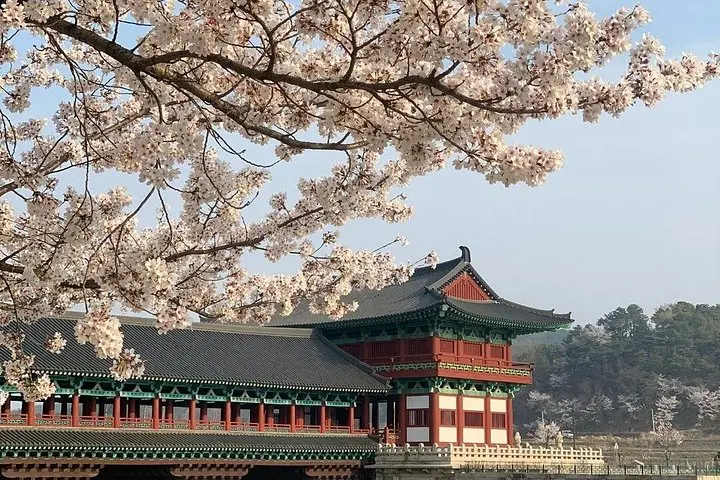
Locals gather at Woljeonggyo Bridge and Hwangnidan-gil for street snacks and handcrafted souvenirs, a seasonal culture of hanbok photos and communal picnics. Expect crowds on peak bloom days; vendors and temporary stalls cluster where views are best.
Practical side: this is a full-day outing (about 9–11 hours) with multiple short walks on paved roads and flat trails—suitable for most fitness levels. Bring layered clothing for cool mornings and warmer afternoons, waterproof shoes if rain is forecast, and a compact tripod for low-light temple interiors. Keep water and snacks for long wait times at popular viewpoints, and plan for limited restroom stops between sites. If you travel with a stroller or mobility device, notify the operator in advance—some historic sites have steps or uneven stonework. Pace yourself through the day: arrive early at your preferred spot for photos, then move to quieter sites as crowds peak.
The tour runs about 9–11 hours, departing Busan in the morning and returning in the evening, visiting 2–3 cherry blossom locations.
Admission fees are listed as 'if any'—some sites may require entry fees that are not always included; check the booking details.
Some historic sites have steps or uneven stone; the operator requests notice in advance to arrange accessibility accommodations when possible.
The tour provides English and Chinese-speaking staff according to the operator's inclusions.
TOURSTORY operates guided outdoor trips and adventures with an emphasis on safety, stewardship, and memorable experiences.
The bus eases out of Busan before dawn and the road opens into low hills dotted with pale pink—cherry branches reaching over stone walls as if to point the way. By midmorning you’re walking under arching canopies where petals drift like slow snow and the scent of spring edges the air.
The bus eases out of Busan before dawn and the road opens into low hills dotted with pale pink—cherry branches reaching over stone walls as if to point the way. By midmorning you’re walking under arching canopies where petals drift like slow snow and the scent of spring edges the air.
Gyeongju’s blossoms frame more than flowers: they fold into the city’s Silla-era history. Cheomseongdae, one of the oldest surviving astronomical observatories, watches over paths used for centuries; Bulguksa’s wooden eaves punctuate floral vistas with classic Korean architecture. Geology here is gentle—rolling hills and river terraces that collect blossom-lined roads and lakeside promenades such as Bomun Lake.
Locals gather at Woljeonggyo Bridge and Hwangnidan-gil for street snacks and handcrafted souvenirs, a seasonal culture of hanbok photos and communal picnics. Expect crowds on peak bloom days; vendors and temporary stalls cluster where views are best.
Practical side: this is a full-day outing (about 9–11 hours) with multiple short walks on paved roads and flat trails—suitable for most fitness levels. Bring layered clothing for cool mornings and warmer afternoons, waterproof shoes if rain is forecast, and a compact tripod for low-light temple interiors. Keep water and snacks for long wait times at popular viewpoints, and plan for limited restroom stops between sites. If you travel with a stroller or mobility device, notify the operator in advance—some historic sites have steps or uneven stonework. Pace yourself through the day: arrive early at your preferred spot for photos, then move to quieter sites as crowds peak.