THE ADVENTURE COLLECTIVE® · Independent discovery and booking for outdoor travel

Explore Gyeongju’s UNESCO sites and cultural highlights in an eco-friendly electric car with a native guide. This four-hour tour pairs short walks at Bulguksa and Seokguram with local stories and practical tips.
Explore Gyeongju’s UNESCO sites and cultural highlights in an eco-friendly electric car with a native guide. This four-hour tour pairs short walks at Bulguksa and Seokguram with local stories and practical tips.
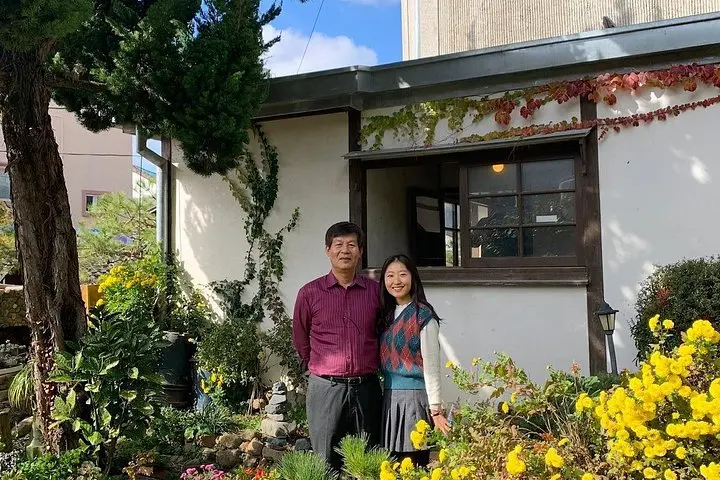
You pull up to a low stone wall as morning light slides over tiled roofs; the electric car hums, invisible but present, ferrying you across roads once crossed by Silla courtiers. The guide, a native of Gyeongju, opens the door with a practiced smile and a map annotated with local stories — short walks, quiet viewpoints, and the best lunch stops.
Verified experiences and guided adventures in the surrounding area.
Operated by Tour in Geongju with a local guide · Gyeongju, North Gyeongsang
You pull up to a low stone wall as morning light slides over tiled roofs; the electric car hums, invisible but present, ferrying you across roads once crossed by Silla courtiers. The guide, a native of Gyeongju, opens the door with a practiced smile and a map annotated with local stories — short walks, quiet viewpoints, and the best lunch stops.
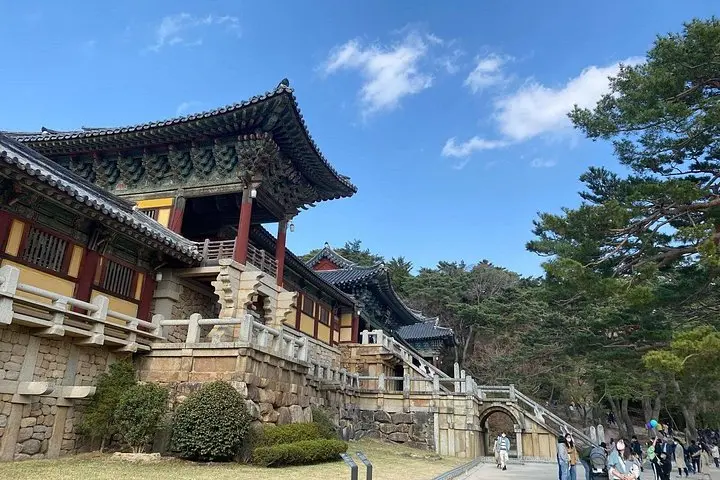
This four-hour circuit focuses on the twin UNESCO treasures: Bulguksa's carved gateways and wooden halls, and Seokguram's granite Buddha set inside a mountain grotto. Gyeongju was the Silla Kingdom’s capital (57 BC–935 AD), and the city’s low hills and tomb mounds are composed of weathered granite and ancient river terraces that shaped settlement patterns and sacred sites.
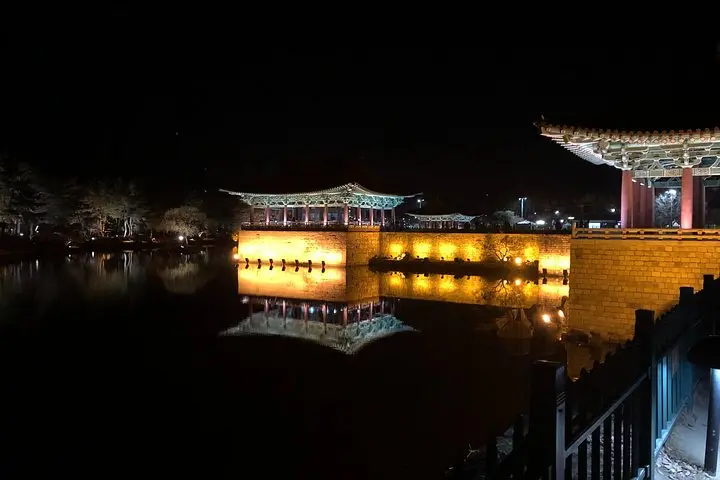
Culturally, the day mixes architecture, religion, and food — think temple rooflines, stone pagodas, and tteok or local banchan recommended by your guide. The route also includes Bomun Lake and Woljeonggyo Bridge, where river light shifts mood by the hour.
Practical guidance: the tour uses an air-conditioned electric vehicle, minimizing local impact and traffic noise. Expect short paved and stone walks at each site; comfortable shoes and a light layer are useful year-round. Wear modest clothing for temple interiors and keep voices low; photography rules vary at sacred sites. Bring a refillable water bottle, small cash for local stalls or donations, and plan to start early to avoid midday crowds. If you have mobility needs, the operator notes wheelchair-accessible options — confirm pickup point when booking.
Pickup is available but you must specify a pickup point when booking; options may include hotels or central meeting spots in Gyeongju.
Admissions are not included by default; check booking details or bring cash for site tickets and optional museum visits.
The guide has experience with international guests and commonly communicates in English; confirm language needs during booking.
The operator notes wheelchair-accessible transportation and some accessible routes, but accessibility at historic sites can be limited — contact the provider to discuss specifics.
Tour in Geongju with a local guide operates guided outdoor trips and adventures with an emphasis on safety, stewardship, and memorable experiences.
You pull up to a low stone wall as morning light slides over tiled roofs; the electric car hums, invisible but present, ferrying you across roads once crossed by Silla courtiers. The guide, a native of Gyeongju, opens the door with a practiced smile and a map annotated with local stories — short walks, quiet viewpoints, and the best lunch stops.
You pull up to a low stone wall as morning light slides over tiled roofs; the electric car hums, invisible but present, ferrying you across roads once crossed by Silla courtiers. The guide, a native of Gyeongju, opens the door with a practiced smile and a map annotated with local stories — short walks, quiet viewpoints, and the best lunch stops.
This four-hour circuit focuses on the twin UNESCO treasures: Bulguksa's carved gateways and wooden halls, and Seokguram's granite Buddha set inside a mountain grotto. Gyeongju was the Silla Kingdom’s capital (57 BC–935 AD), and the city’s low hills and tomb mounds are composed of weathered granite and ancient river terraces that shaped settlement patterns and sacred sites.
Culturally, the day mixes architecture, religion, and food — think temple rooflines, stone pagodas, and tteok or local banchan recommended by your guide. The route also includes Bomun Lake and Woljeonggyo Bridge, where river light shifts mood by the hour.
Practical guidance: the tour uses an air-conditioned electric vehicle, minimizing local impact and traffic noise. Expect short paved and stone walks at each site; comfortable shoes and a light layer are useful year-round. Wear modest clothing for temple interiors and keep voices low; photography rules vary at sacred sites. Bring a refillable water bottle, small cash for local stalls or donations, and plan to start early to avoid midday crowds. If you have mobility needs, the operator notes wheelchair-accessible options — confirm pickup point when booking.