THE ADVENTURE COLLECTIVE® · Independent discovery and booking for outdoor travel

A full-day private drive from Seoul delivers Gyeongju’s core: Bulguksa Temple, Seokguram Grotto, Cheomseongdae observatory and tumuli fields. Expect a long but accessible cultural day with short walks, expert narration, and notable archaeological highlights.
A full-day private drive from Seoul delivers Gyeongju’s core: Bulguksa Temple, Seokguram Grotto, Cheomseongdae observatory and tumuli fields. Expect a long but accessible cultural day with short walks, expert narration, and notable archaeological highlights.
You pull away from Seoul as the highway unspools: low river flats give way to granite ridges, farms, and the first distant mounds that mark Gyeongju’s landscape. By midmorning the air smells of pine and old stone; temple roofs appear above tree lines and the city’s long history starts to reveal itself in tumuli fields and neat museum cases.
Verified experiences and guided adventures in the surrounding area.
Operated by FunTrip Korea · Gyeongju, North Gyeongsang
You pull away from Seoul as the highway unspools: low river flats give way to granite ridges, farms, and the first distant mounds that mark Gyeongju’s landscape. By midmorning the air smells of pine and old stone; temple roofs appear above tree lines and the city’s long history starts to reveal itself in tumuli fields and neat museum cases.
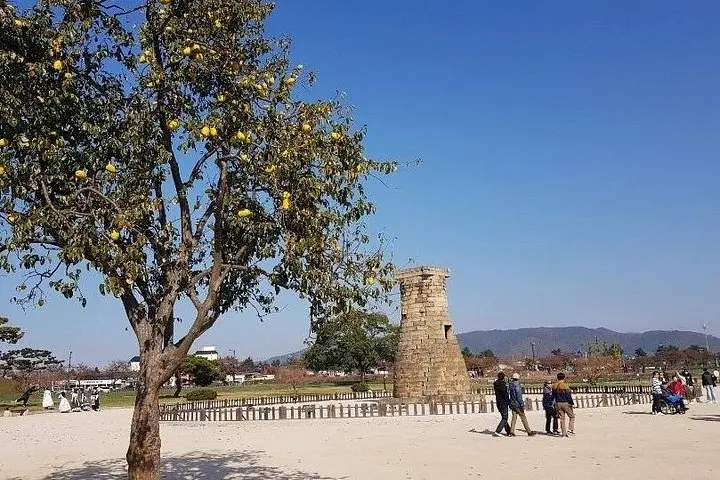
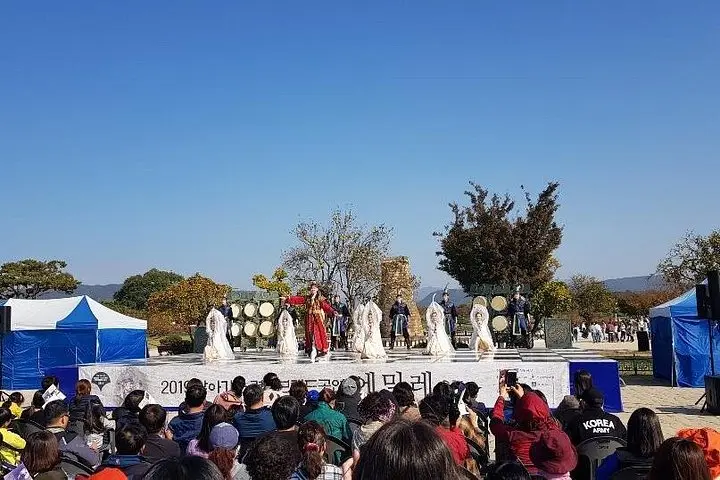
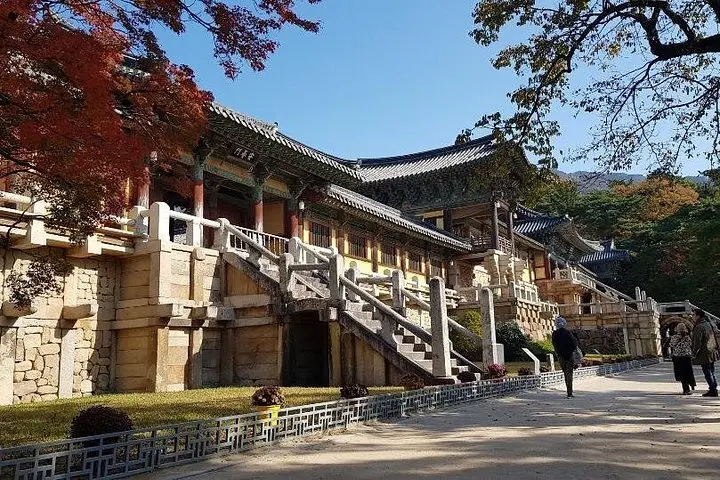
Gyeongju was the heart of the Shilla Kingdom (57 BCE–935 CE), a political and cultural center that unified much of the Korean Peninsula. The city’s best-known sites — Bulguksa Temple and the Seokguram Grotto — are UNESCO-listed, while Cheomseongdae, a 7th-century observatory commissioned under Queen Seondeok, points to a sophisticated tradition of astronomy. The low hills around the city are peppered with burial mounds, carved buddhist reliefs, and scattered pavilion ruins that speak to a landscape shaped by both ritual and geology: weathered granite, gentle valleys, and ponds that reflect the sky.
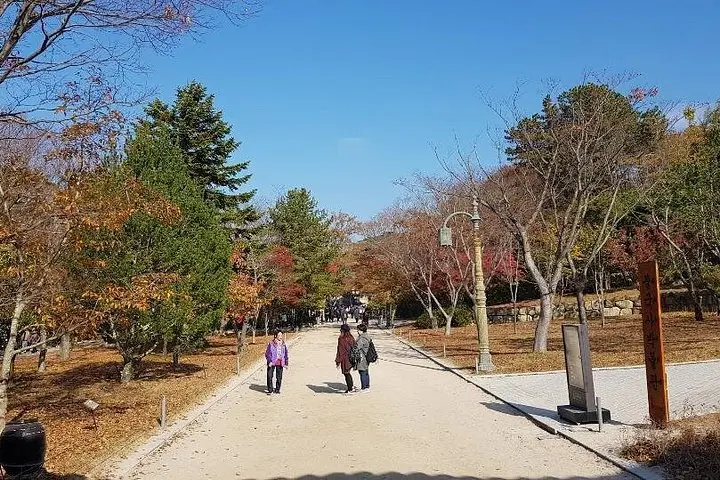
Practically, expect a long day (roughly 12–13 hours round-trip from Seoul with driving included) in an air-conditioned vehicle with short, mostly easy walks between sites. Wear comfortable walking shoes and a layer for temple interiors and hill breezes. Bring water, modest clothing for sacred sites, and some cash for small museum shops and snacks. Early starts avoid crowds at the grotto and provide cooler walking conditions in summer. The route is suitable for most fitness levels but includes uneven stone steps and short uphill approaches, so move at a steady pace and give yourself time to simply watch the auburn light settle on ancient roofs.
Expect roughly a 2.5-hour drive each way in an air-conditioned vehicle, depending on traffic; the full itinerary is about 12–13 hours including stops.
The itinerary lists admissions as included for major sites, but confirm specific entrance fees at booking and bring ID for any ticketing requirements.
The vehicle and many sites are accessible, but Seokguram and some temple areas have steps or uneven paths—ask the operator about alternatives if mobility is limited.
Yes — the tour can be arranged as a one-day trip or extended with overnight options in Gyeongju; check availability and lodging options when booking.
FunTrip Korea operates guided outdoor trips and adventures with an emphasis on safety, stewardship, and memorable experiences.
You pull away from Seoul as the highway unspools: low river flats give way to granite ridges, farms, and the first distant mounds that mark Gyeongju’s landscape. By midmorning the air smells of pine and old stone; temple roofs appear above tree lines and the city’s long history starts to reveal itself in tumuli fields and neat museum cases.
You pull away from Seoul as the highway unspools: low river flats give way to granite ridges, farms, and the first distant mounds that mark Gyeongju’s landscape. By midmorning the air smells of pine and old stone; temple roofs appear above tree lines and the city’s long history starts to reveal itself in tumuli fields and neat museum cases.
Gyeongju was the heart of the Shilla Kingdom (57 BCE–935 CE), a political and cultural center that unified much of the Korean Peninsula. The city’s best-known sites — Bulguksa Temple and the Seokguram Grotto — are UNESCO-listed, while Cheomseongdae, a 7th-century observatory commissioned under Queen Seondeok, points to a sophisticated tradition of astronomy. The low hills around the city are peppered with burial mounds, carved buddhist reliefs, and scattered pavilion ruins that speak to a landscape shaped by both ritual and geology: weathered granite, gentle valleys, and ponds that reflect the sky.
Practically, expect a long day (roughly 12–13 hours round-trip from Seoul with driving included) in an air-conditioned vehicle with short, mostly easy walks between sites. Wear comfortable walking shoes and a layer for temple interiors and hill breezes. Bring water, modest clothing for sacred sites, and some cash for small museum shops and snacks. Early starts avoid crowds at the grotto and provide cooler walking conditions in summer. The route is suitable for most fitness levels but includes uneven stone steps and short uphill approaches, so move at a steady pace and give yourself time to simply watch the auburn light settle on ancient roofs.